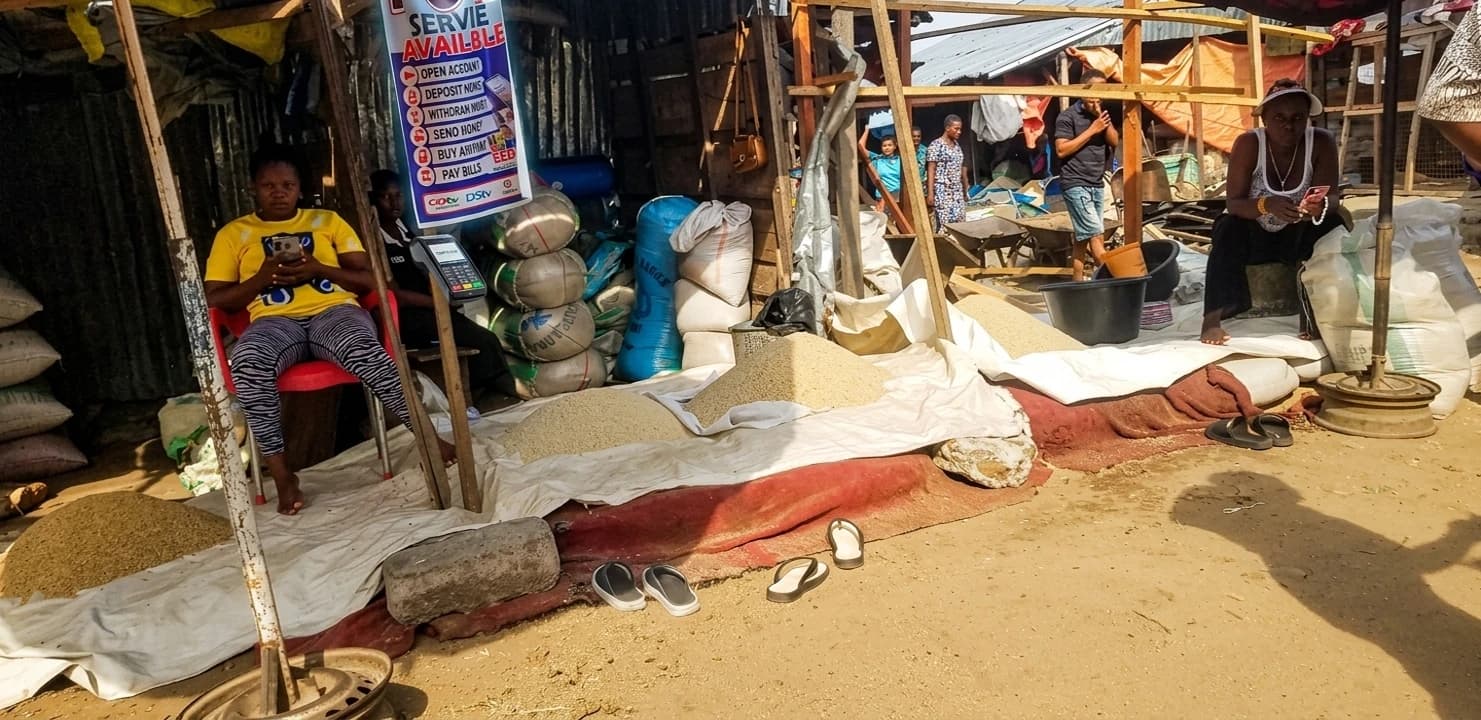
Dry fields in Kasemen, Serang are more than a local hardship — they are another sign that drought is squeezing Indonesia’s rice belt, threatening supply, farm incomes and, eventually, food prices.
Indonesia rice drought pressures Kasemen planting, food prices
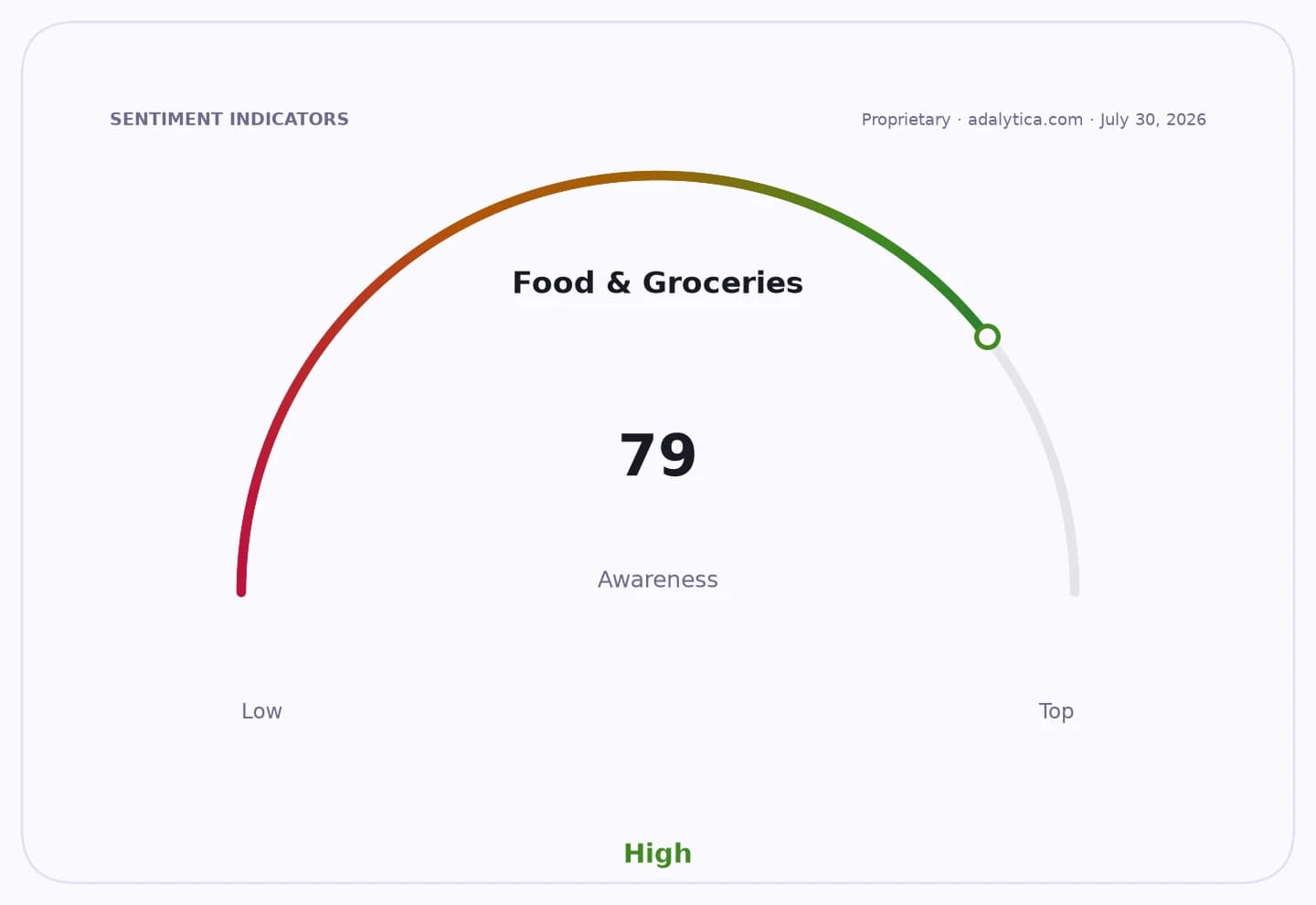
For investors, the bigger story is that weather shocks are no longer just an agricultural nuisance. They are a reminder that climate volatility can ripple through the entire food chain, from farmers and grain traders to supermarket shelves and consumer inflation. When rice farmers cannot plant on time, the damage starts in the field but ends up in the economy.
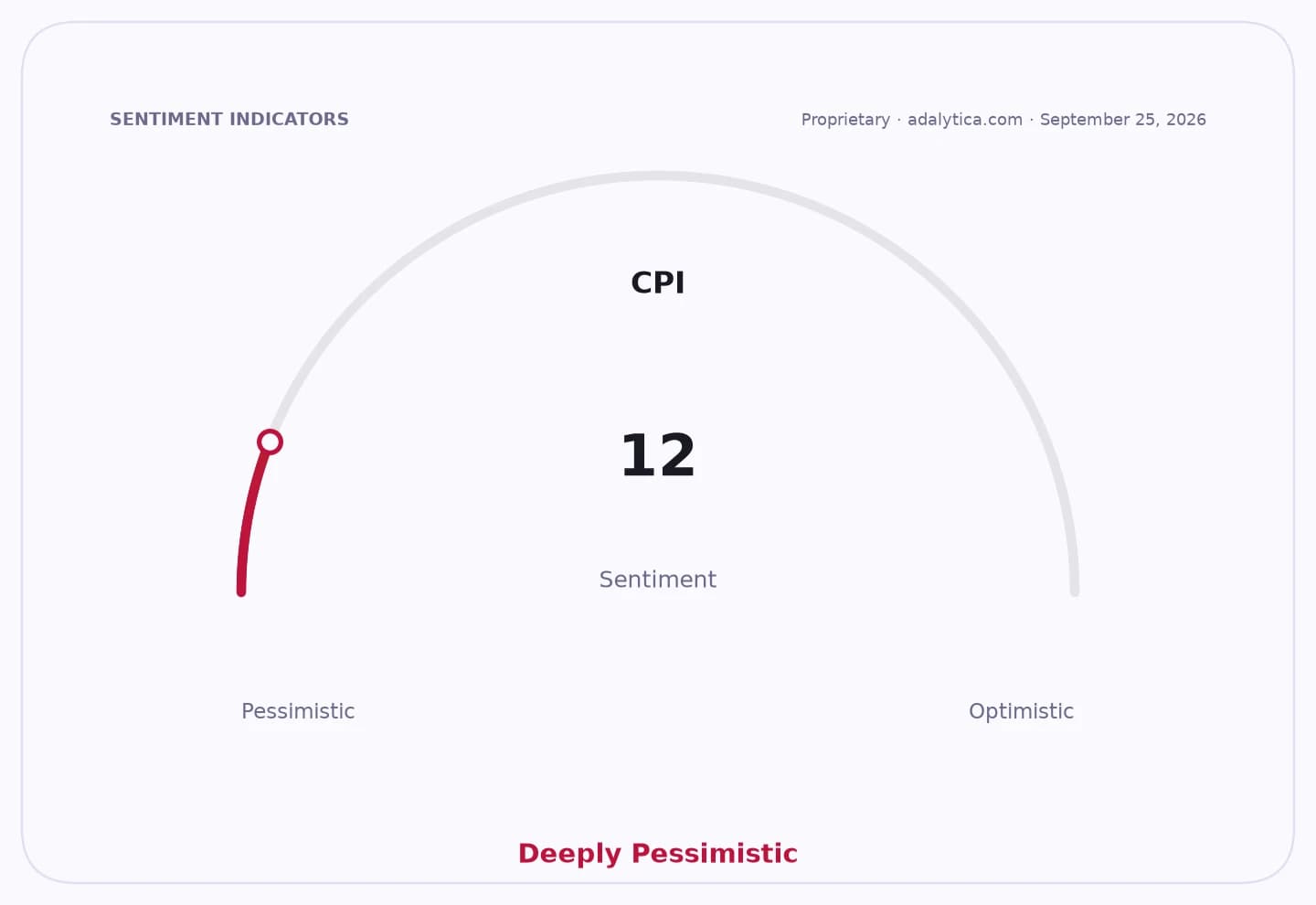
Sentiment IndicatorsⓘProprietary · adalytica.com · July 30, 2026
This is a snapshot — live sentiment, awareness and momentum for 130+ markets update continuously in the dashboard.Open AlphaPulse
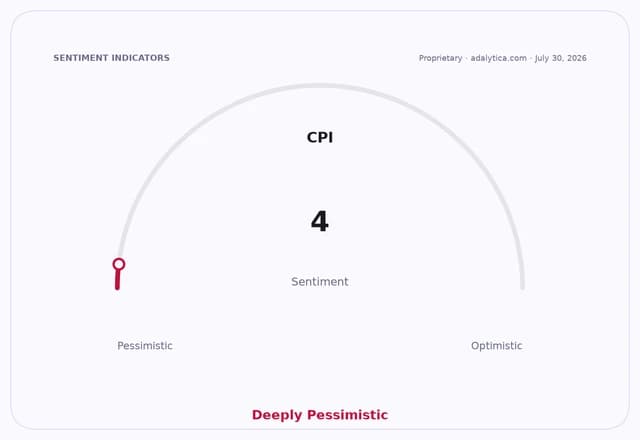
The immediate problem is simple: without enough water, farmers cannot prepare paddies or transplant rice seedlings. In a country where rice is the staple for most households, that can quickly become a supply issue, especially if dry conditions spread or persist through the next planting cycle. The seed headline points to Kasemen, but the risk is broader — to output, rural incomes and the government’s ability to keep food prices stable.
That matters because food inflation is one of the fastest ways drought becomes an economic story. Indonesia has already had to deal with erratic weather patterns linked to El Niño, and the news context points to similar planting disruptions in other parts of Asia. When farmers switch from rice to secondary crops because of water shortages, the long-term result is less domestic rice availability and greater pressure on imports, subsidies or emergency support.
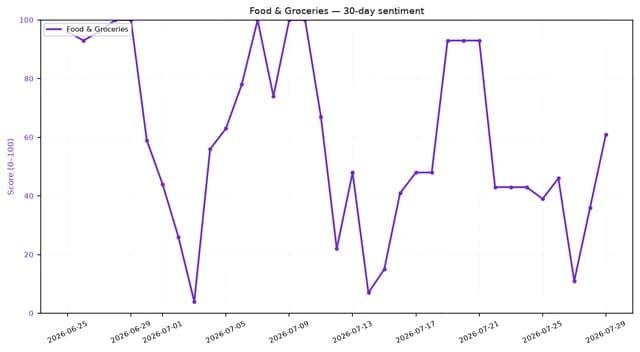
The market angle is equally clear. Higher food costs can feed into headline inflation and complicate monetary policy, even if central bankers look through temporary shocks. For consumer stocks and retailers, that can mean margin pressure if they absorb cost increases rather than pass them on. For commodity investors, drought can tighten regional grain balances and support pricing for rice substitutes and related agricultural exposure.
Publicly traded grain and food businesses are also part of the chain reaction. Companies such as Archer-Daniels-Midland and Bunge tend to benefit from volatile agricultural flows and merchandising opportunities, even when farmers suffer. On the consumer side, supermarket operators and food producers face a tougher trade-off between protecting volume and protecting margins if staple prices rise.
The longer-term lesson for investors is not to chase every weather headline, but to respect the durability of agriculture as a volatility source. Climate stress, water scarcity and erratic rainfall are becoming structural features of the food economy. That makes diversified exposure to agriculture, food distribution and inflation-resistant businesses more attractive over a full cycle.
Kasemen’s dry land is a local problem with national implications. If rainfall does not improve soon, more farmers may miss planting windows, rice output could come under pressure and food prices may stay sticky. For long-term investors, it is worth watching — not because drought creates a quick trade, but because it reinforces how essential, and how fragile, the food system really is.
| Entity | Gains | Losses |
|---|---|---|
| Rice importers | ▲Higher demand | ▼Local supply tightness |
| Grain traders | ▲Volatility opportunities | ▼Stable farm output |
| Indonesian consumers | ▲None | ▼Higher food prices |
| Kasemen farmers | ▲None | ▼Missed planting season |