Indonesia’s plan to scale up solar power is running well behind target, leaving coal still dominant in the country’s electricity mix and slowing one of Southeast Asia’s biggest energy-transition plays. The gap matters because it keeps power costs, emissions and import dependence elevated while limiting the pool of bankable renewable projects for domestic and foreign investors.
Indonesia Solar Push Faces Grid and Financing Hurdles
The problem is not demand for clean energy so much as the economics of getting panels into the grid at scale. Coal remains the default for baseload supply, while weak transmission infrastructure, patchy access outside major population centers and a shortage of project finance are all holding back deployment.
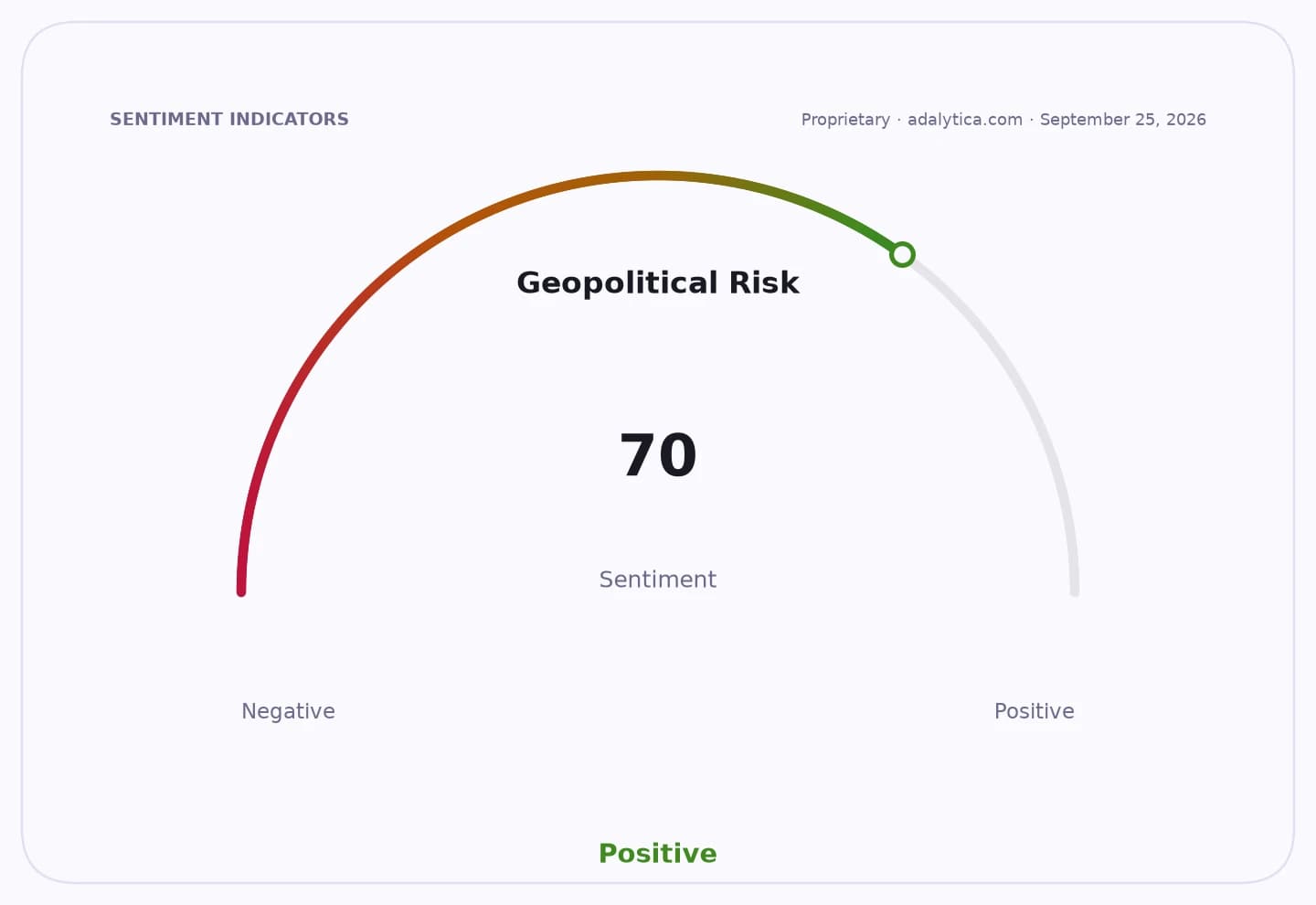
Sentiment IndicatorsⓘProprietary · adalytica.com · July 22, 2026
This is a snapshot — live sentiment, awareness and momentum for 130+ markets update continuously in the dashboard.Open AlphaPulse
For investors, that combination means Indonesia’s solar market is still more policy-dependent than pipeline-driven. Developers and equipment suppliers face a smaller near-term addressable market than headline targets suggest, while lenders must price in execution risk, regulatory uncertainty and the possibility that promised buildouts slip further.
The backdrop is an economy under pressure from global volatility and tighter financing conditions, with U.S. benchmark Treasury yields around 4.58% and crude oil near $78 a barrel adding to the cost burden for energy importers. Adalytica’s Coal Fear & Greed Index remains in “Extreme Fear,” underscoring how quickly sentiment can turn against fossil-fuel-linked assets even as Indonesia’s actual power system remains heavily coal-based.
That tension helps explain the market reaction in Indonesia-linked names. Indonesia Energy Corp. common stock, INDO, has been volatile, ending at $3.00 on July 21 after trading as high as $6.74 in March, while SEI closed at $65.17, well below its recent highs above $79, as investors continue to reassess exposure to energy and infrastructure execution risk. Conventional technical indicators on both stocks show mixed momentum rather than a clear trend, with INDO above its 50-day moving average but below its 200-day average, and SEI still under pressure after a sharp pullback from its spring peak.
The broader policy story is straightforward: Indonesia wants more solar, but coal dependence, missing infrastructure and a funding shortfall are preventing the transition from being a target on paper to a buildout on the ground. Unless Jakarta improves grid access, unlocks cheaper capital and gives developers clearer rules, the country’s solar expansion will likely keep lagging regional peers and disappointing investors looking for a faster renewable ramp.
| Entity | Gains | Losses |
|---|---|---|
| Solar developers | ▲Long-term policy upside | ▼Near-term project delays |
| Coal producers | ▲Continued baseload demand | ▼Transition pressure |
| Indonesian utilities | ▲Cheap existing supply | ▼Grid upgrade burden |
| Clean-energy investors | ▲Future pipeline optionality | ▼Financing and execution risk |