Indonesia is adding 1 million tons of subsidized rice to its price-stabilization program through end-2026 as authorities move to blunt seasonal food inflation during a prolonged dry spell.
Indonesia adds 1 million tons of subsidized rice

The extra supply comes after the government nearly exhausted this year’s initial SPHP allocation of 828,000 tons, with sales reaching 758,000 tons, or 91.55%, by Sept. 7. Officials said the new volumes will be directed to October through December, when the paceklik harvest gap and lingering drought could tighten supply and lift retail prices.
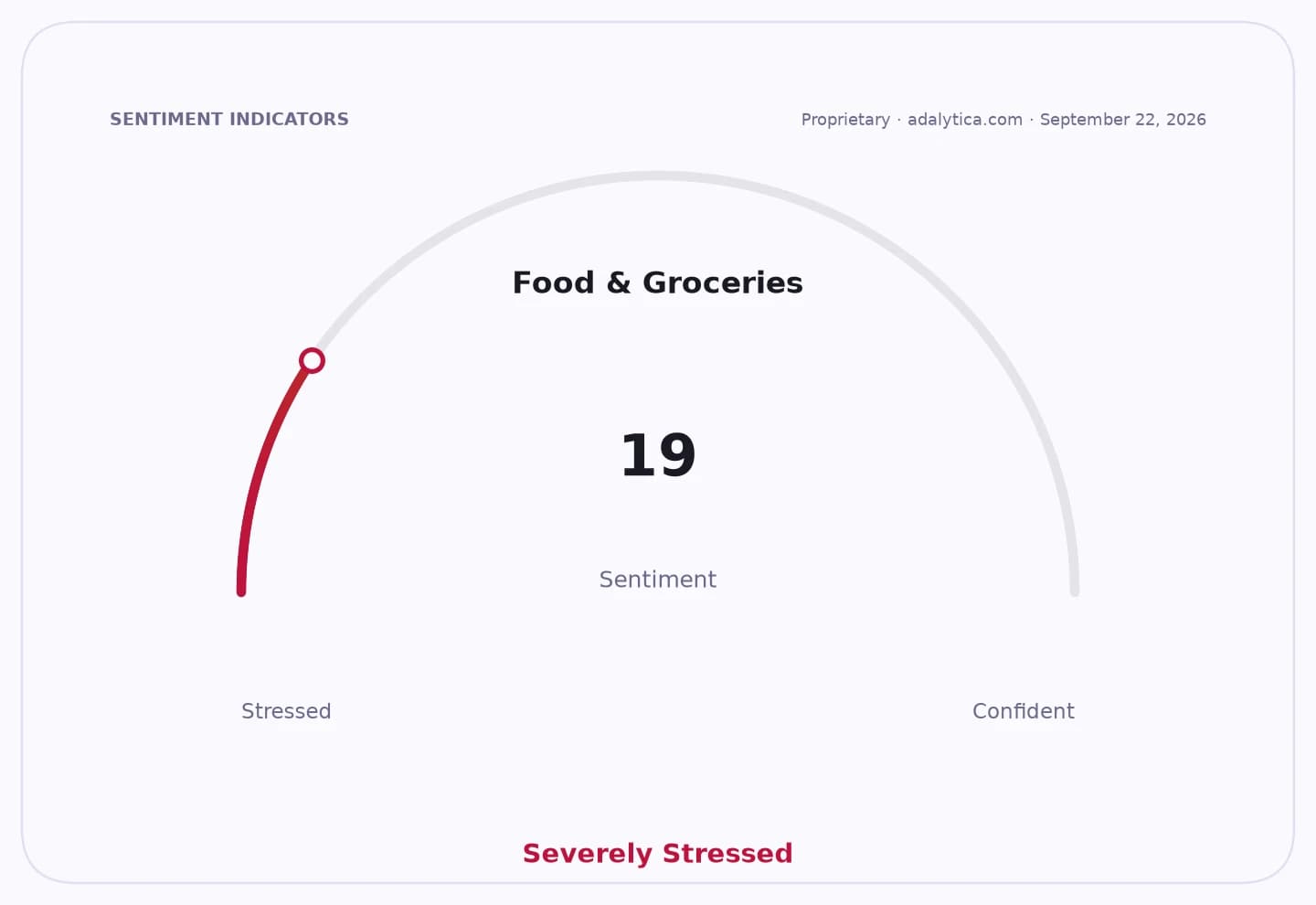
Sentiment IndicatorsⓘProprietary · adalytica.com · September 8, 2026
This is a snapshot — live sentiment, awareness and momentum for 130+ markets update continuously in the dashboard.Open AlphaPulse
Bapanas chief and Agriculture Minister Andi Amran Sulaiman said the expanded program is designed as a large-scale market operation to keep medium rice prices in check. The government has already prepared Rp4.97 trillion in price subsidies for the original 2026 SPHP rollout, which began in March, and the extra tonnage will still need presidential approval before the finance ministry reviews funding needs.
The move matters for inflation because rice remains a key household staple and a major driver of food-price pressure in Indonesia. The latest official data show rice inflation easing, with annual inflation slowing to 2.77% in August from 3.10% in July and monthly inflation down to 0.42% from 0.49%. The number of districts and cities reporting rice price gains also fell to 115 in the first week of September from 147 in the last week of August.
For consumers, the intervention should cap further increases after officials said prices have been rising by about Rp100 to Rp200. For farmers and traders, it could delay some market price recovery at a time when the government is trying to balance affordability with farm incomes and supply security.
The policy also lands as investors watch broader food and inflation dynamics across emerging markets, where weather shocks and government stock releases can quickly reshape price expectations. In agricultural markets, nearby corn and wheat contracts were both firmer on recent sessions, underscoring how weather and supply management remain central to global grain pricing.
The key test now is execution: whether the government can distribute the extra rice fast enough to cover the year-end demand window without creating fresh bottlenecks in procurement, budgeting or distribution.
| Entity | Gains | Losses |
|---|---|---|
| Indonesian consumers | ▲Lower rice prices | ▼Less upside from market shortages |
| Government / Bapanas | ▲Slower food inflation | ▼Bigger subsidy bill |
| Farmers and rice traders | ▲Stable demand visibility | ▼Softer open-market prices |
| Food inflation outlook | ▲Near-term relief | ▼Risks from dry-season supply shocks |