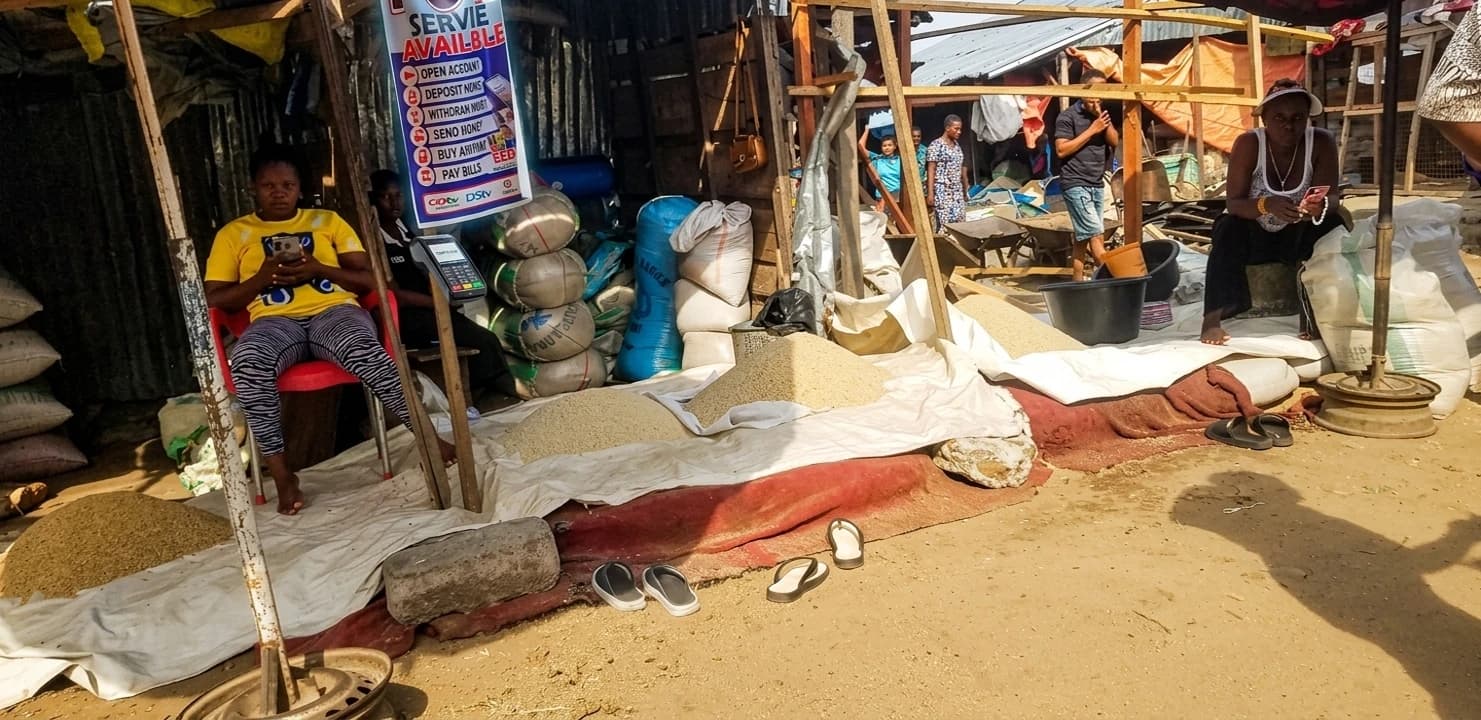
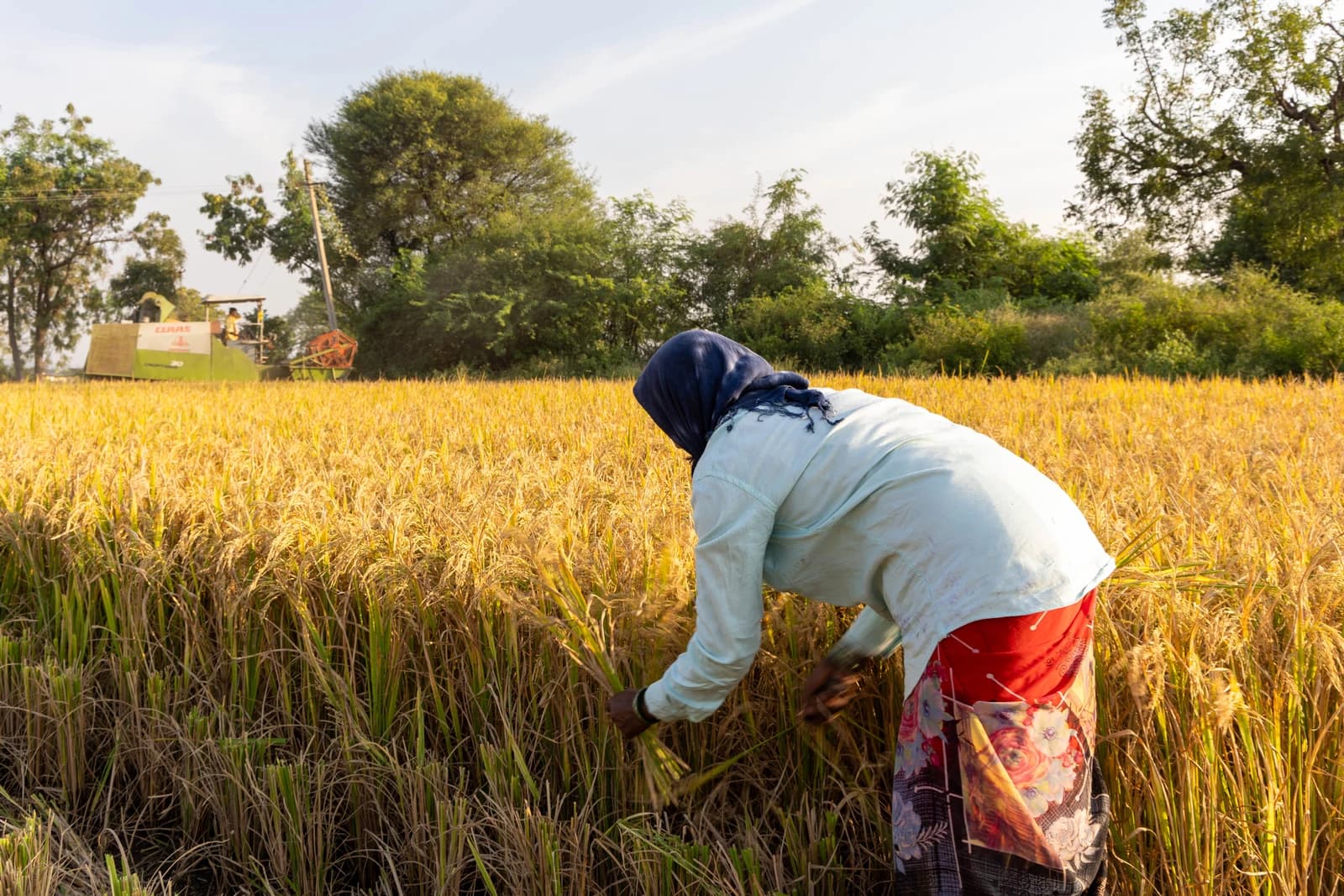
The Philippines has effectively abandoned its campaign pledge to sell rice at P20 a kilo on market terms, a retreat that underscores how inflation, supply shocks and a weak peso have made the promise economically unrealistic.
Philippines drops P20 rice market-price pledge

Agriculture Secretary Francisco Tiu Laurel said last week the administration now views P20-a-kilo rice as possible only through state subsidy for poor families, not as a market price. President Ferdinand Marcos Jr. is said to be aware of the shift, which leaves the government trying to preserve the political symbolism of the promise while acknowledging the cost of delivering it has risen well beyond reach.
Sentiment IndicatorsⓘProprietary · adalytica.com · September 7, 2026
This is a snapshot — live sentiment, awareness and momentum for 130+ markets update continuously in the dashboard.Open AlphaPulse

The reversal matters because rice is the country’s staple food and the benchmark for household inflation. Keeping rice cheap has a direct effect on consumer spending power, especially for lower-income families that spend a larger share of income on food, but subsidizing it widely would add to fiscal pressure at a time when the government is already trying to fund farm support, flood control and food logistics.
The pledge was always vulnerable to global and domestic shocks. Since the 2022 campaign, the Russia-Ukraine war has lifted grain and fertilizer costs, while the peso has weakened to historic lows, raising the cost of imports and inputs. A looming El Niño episode also threatens yields, making it harder to bring down rice prices through supply alone.

For investors, the shift is a reminder that Philippine food inflation remains sensitive to weather, imports and policy execution. The government is now leaning more heavily on targeted subsidies rather than broad price controls, a move that may help limit fiscal damage but does little to solve the structural bottlenecks facing farmers.
The broader agricultural challenge is still unresolved. Officials say they can still improve farm incomes and stabilize rice supply by speeding flood-control projects that double as water storage, building farm-to-market roads and expanding cold-chain facilities, but those fixes take time.
That leaves Marcos with a narrower political and economic test over the next two years: not whether he can force market rice to P20, but whether he can keep rice inflation contained without worsening the strain on farmers or the budget.
| Entity | Gains | Losses |
|---|---|---|
| Poor households | ▲Subsidized rice access | ▼Market-price relief promise |
| Marcos administration | ▲Political cover via subsidy plan | ▼Credibility on campaign vow |
| Rice farmers | ▲Potential infrastructure support | ▼Price pressure, weak margins |
| Consumers and taxpayers | ▲Possible targeted aid | ▼Higher fiscal burden |