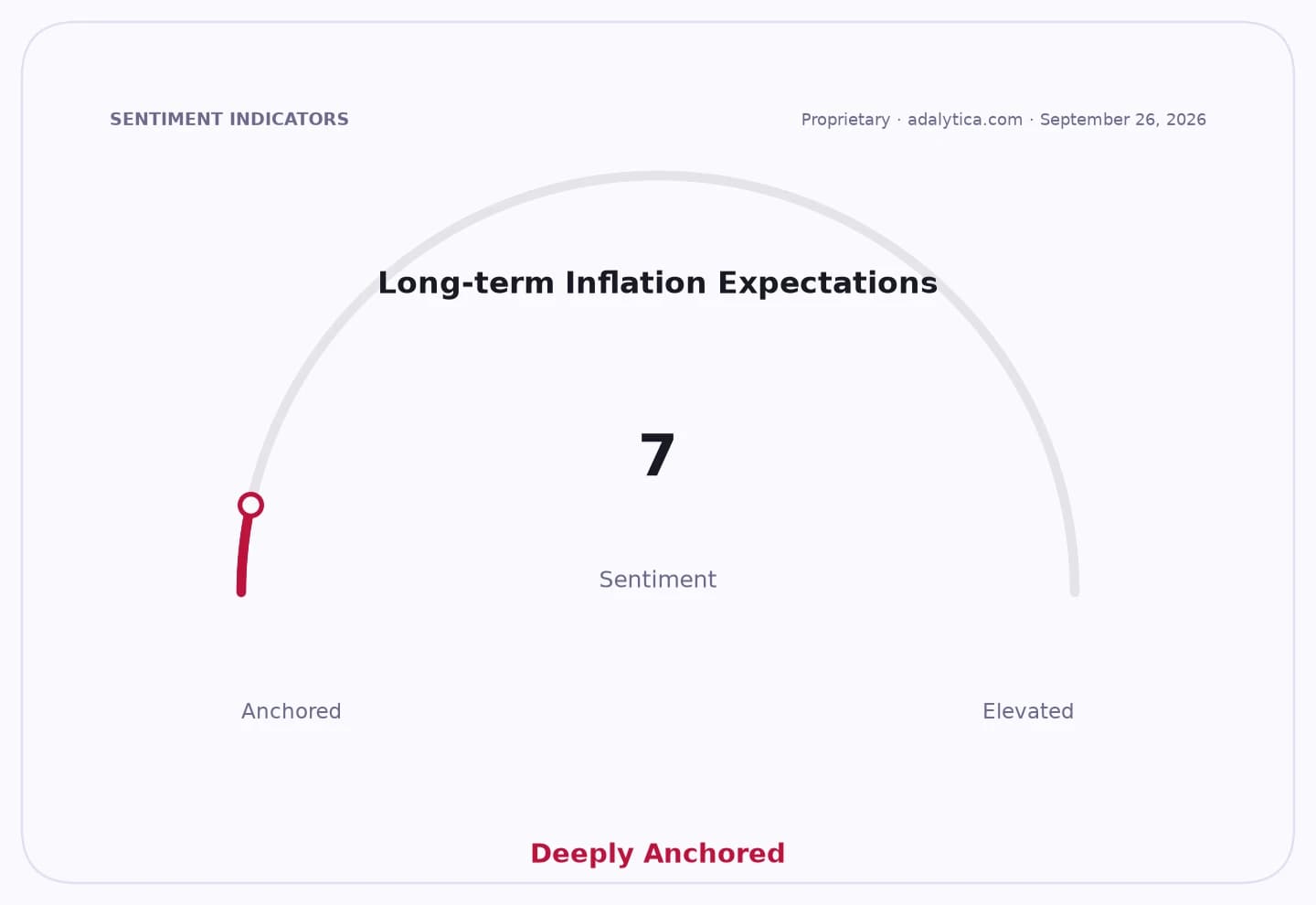
High inflation does more than raise prices — it punishes households that do not understand how to protect purchasing power, and that makes financial literacy one of the most underappreciated economic defenses in the market today.
Inflation Rewards Financial Literacy And Consumer-Help Platforms
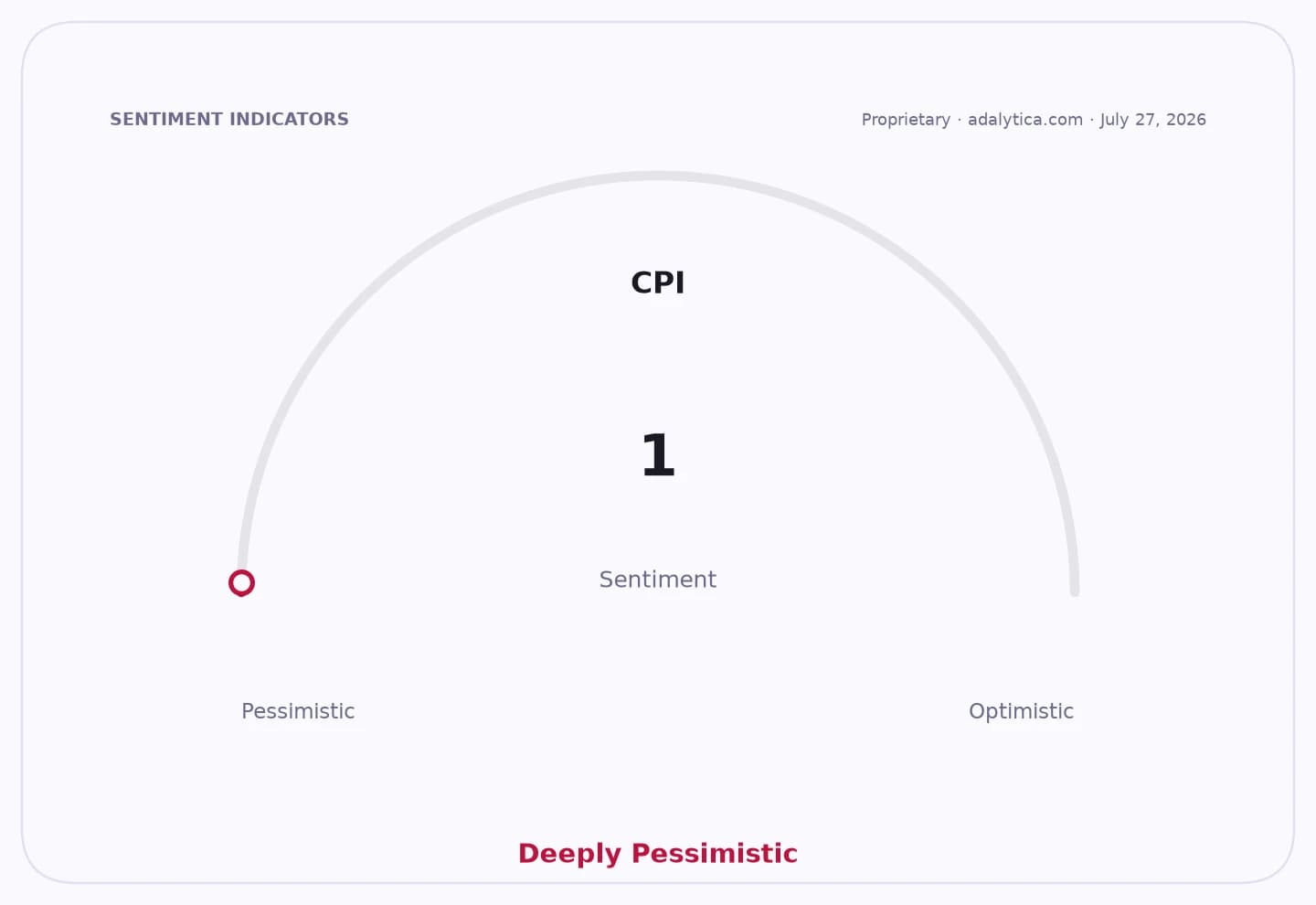
June’s U.S. consumer price index eased to an annualized 3.5% pace, a welcome reprieve after the spring’s sharp price surge, but the bigger story is that inflation remains stubbornly above the Federal Reserve’s target while borrowing costs stay elevated. The 10-year Treasury yield is back near 4.7%, keeping mortgage rates, auto loans and revolving credit expensive even as unemployment sits around 4.2%. For consumers living paycheck to paycheck, the difference between understanding compounding, debt rollover and cash-flow budgeting — and not understanding them — is the difference between preserving wealth and steadily eroding it.
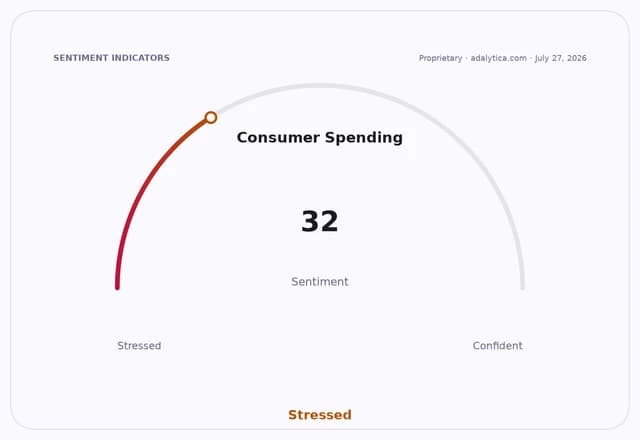
That is why the inflation problem is also a behavioral problem. People who keep too much cash lose real value when prices rise faster than returns. People who lean on high-interest credit cards without understanding the true cost of borrowing get trapped in a squeeze that inflation makes worse. In a world where essentials are still climbing and rates are still restrictive, financial ignorance becomes a hidden tax.
Markets are already pricing the stress. The Financial Select Sector SPDR Fund, XLF, has pushed above its 50-day and 200-day moving averages, reflecting the sector’s resilience as rates remain high, while regional banks in KRE have also rallied, suggesting investors see durable net-interest income and a still-manageable credit backdrop. But beneath that strength sits a more fragile consumer. If inflation keeps outpacing wage gains, lenders with exposure to lower- and middle-income borrowers will eventually feel it through delinquency pressure, reserve builds and slower loan growth. That is where financial literacy matters to investors: better-informed consumers are more likely to refinance, save, budget and avoid destructive debt spirals, which supports credit quality across banks, card issuers and consumer lenders.
The opportunity is not just defensive. Inflation creates demand for the tools that help people respond to it — budgeting apps, debt-management platforms, low-cost brokerage products, advisory services and education-driven financial brands. The market tends to reward the obvious winners in rate cycles, such as banks with wider spreads, but underestimates the second-order beneficiaries of a population learning to manage inflation shocks. In my view, that is where the asymmetric setup lies: companies that help consumers make smarter financial decisions can compound faster than the broader economy because the need is structural, not cyclical.
The macro backdrop reinforces the case. Inflation has cooled from the panic peaks, but it has not disappeared, and geopolitical strains keep energy prices vulnerable. That means households cannot afford complacency. A consumer who understands real yields, debt service and emergency liquidity is far more resilient than one who treats inflation as a temporary headline. For investors, that resilience translates into better payment behavior, steadier deposit balances and less severe credit deterioration when the economy softens.
The market is still underestimating how long this inflation regime can last and how much value will accrue to the businesses that teach consumers to navigate it. If you want exposure, look beyond the obvious banks and into the picks-and-shovels of financial discipline: payment platforms with education tools, consumer-finance brands with underwriting discipline, digital brokers, and software that helps households manage cash flow and debt. In an inflationary world, financial literacy is not a soft social good — it is a durable economic moat.
| Entity | Gains | Losses |
|---|---|---|
| Financial education and budgeting platforms | ▲Higher demand for tools | ▼Complacent consumers |
| Banks and card issuers with disciplined underwriting | ▲Better credit quality | ▼Lenders exposed to stressed borrowers |
| Cash-heavy households | ▲If they learn to invest smarter | ▼Real purchasing power |
| High-interest debt users | ▲If they refinance or deleverage | ▼Ignorance, fees and compounding costs |