A broad inflation squeeze is making capital gains look bigger than the wealth they actually represent, sharpening the debate over how governments tax nominal profits and how investors should think about real returns.
Inflation boosts nominal gains and tax debates

That distinction matters because inflation can push asset prices and sale proceeds higher even when purchasing power barely improves. In the U.S., the standard mortgage-free home-sale exclusion has not been indexed since 1997, leaving more owners exposed to tax on gains that may partly reflect years of price increases rather than true enrichment.
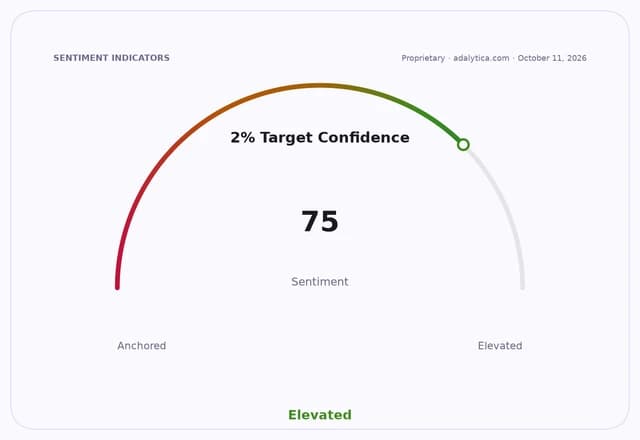
Sentiment IndicatorsⓘProprietary · adalytica.com · October 11, 2026
This is a snapshot — live sentiment, awareness and momentum for 130+ markets update continuously in the dashboard.Open AlphaPulse
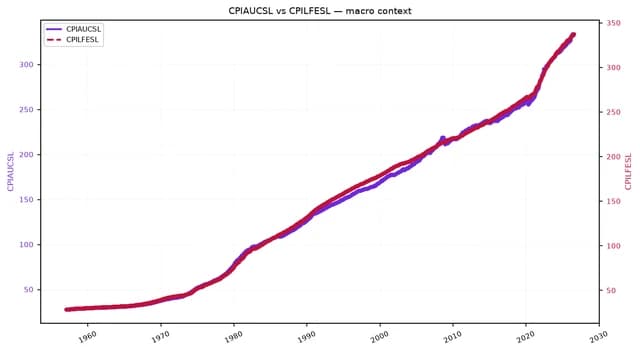
The problem is especially visible in inflation-adjusted terms. U.S. consumer prices are running at 333.979 on the CPI index, up from 237.336 in 2016, while core prices are at 337.765, underscoring how much of an asset’s nominal appreciation can be absorbed by a weaker currency. The Federal Reserve’s policy rate is still only gradually easing, with the fed funds forecast at 3.75% for September, after a long tightening cycle that left inflation elevated across much of the economy.
For investors, the message is that headline profits are not the same as real gains. A seller who turns 10 million forints into 15 million may book a 5 million forint gain on paper, but if inflation has eroded purchasing power by roughly 50%, part of that “profit” is just compensation for money losing value.
That helps explain why inflation-linked assets remain in focus. The iShares TIPS ETF, TIP, has slid to 104.42 from 107.54 in mid-June, but the move still comes as the market wrestles with whether inflation is truly back under control. Gold, meanwhile, has rebounded to 384.58 after falling below 375 earlier this week, reflecting demand for assets that hold value when fiat purchasing power weakens.
The tax debate is now broader than housing. In Hungary, a proposed wealth tax would reach bitcoin holdings even if they are not sold, with assets above 1 billion forints to be taxed based on year-end holdings and prices. That raises a practical issue for investors: how to pay a tax bill on an asset that has not been monetized.
For crypto holders, the issue is even starker because Hungary’s plan would tax unrealized wealth, while the local tax authority’s current crypto rules focus on realized gains and do not appear to provide an inflation adjustment. As inflation stays elevated and governments look for new revenue, the line between real wealth and nominal appreciation is becoming a live policy fight with direct implications for housing, bitcoin and other long-duration assets.
### Comparison Matrix
| Entity | Gains | Losses |
|---|---|---|
| Governments | ▲tax revenue | ▼political backlash over nominal taxation |
| Asset owners | ▲inflation hedge value | ▼higher tax bills on paper gains |
| Housing sellers | ▲price appreciation | ▼reduced mobility, potential tax drag |
| Bitcoin holders | ▲store-of-value demand | ▼unrealized wealth taxation risk |