A newly FDA-cleared AI system for sepsis detection is drawing investor attention because hospitals are under pressure to cut mortality, reduce costly ICU stays and move faster on treatment decisions that can mean the difference between life and death.
Inspira Technologies Sepsis AI Gains FDA Clearance
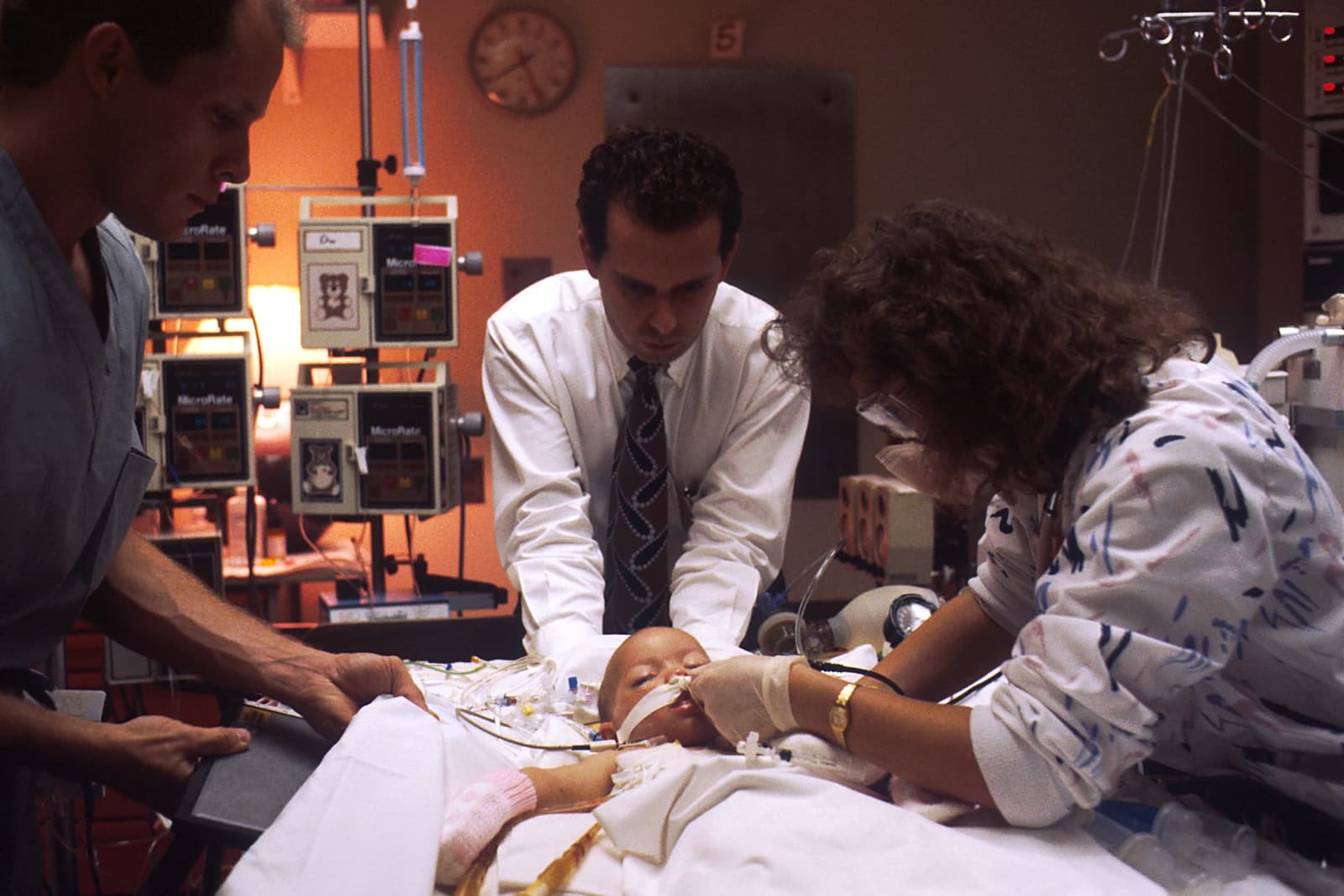
Sepsis remains one of the most expensive and lethal emergencies in U.S. hospitals, and any tool that flags it earlier can have an outsized economic effect. Faster detection can translate into fewer complications, shorter lengths of stay and lower reimbursement penalties tied to avoidable harm, which is why clinical AI systems aimed at acute care are increasingly relevant to health systems, payers and device investors.
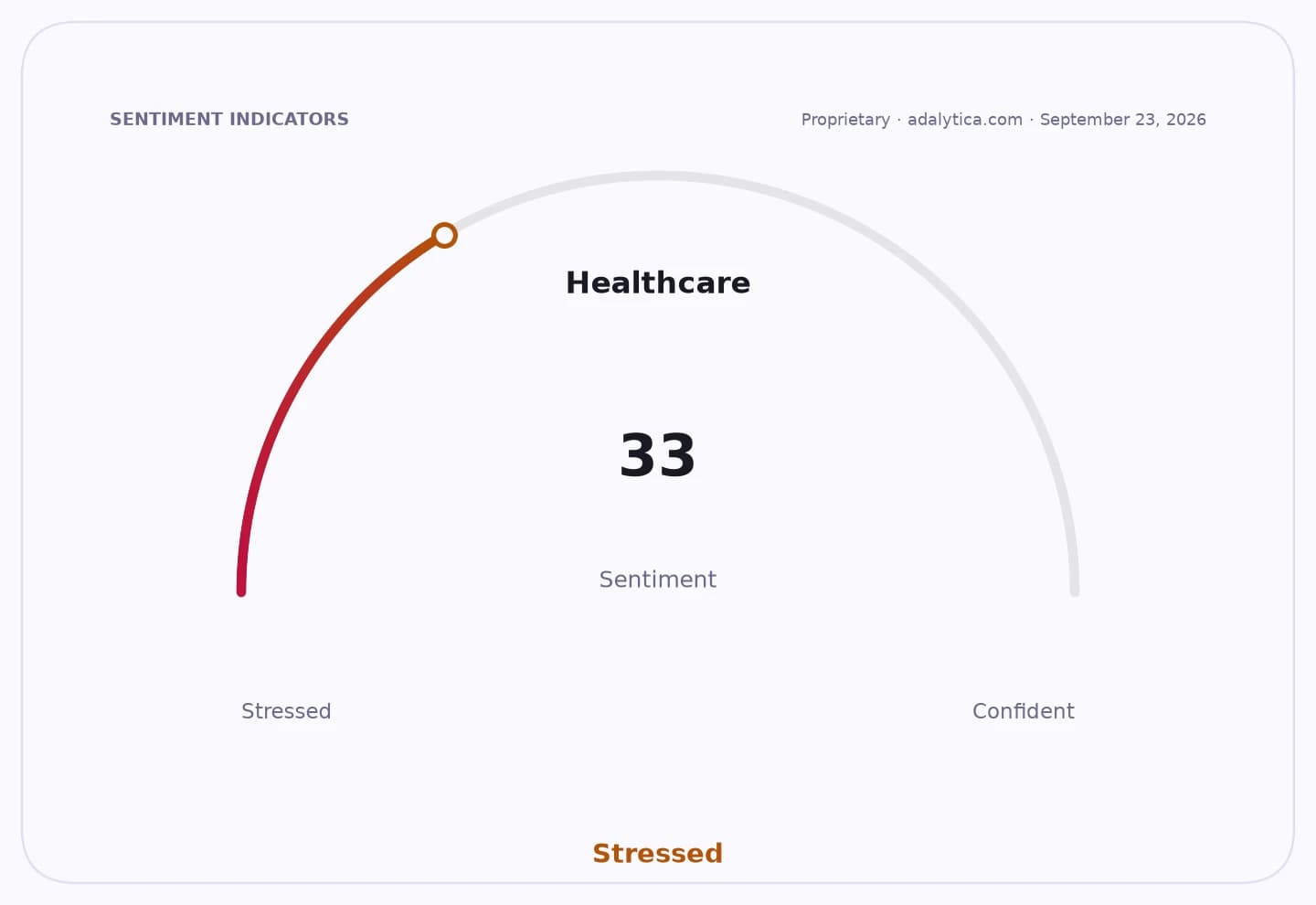
Sentiment IndicatorsⓘProprietary · adalytica.com · September 6, 2026
This is a snapshot — live sentiment, awareness and momentum for 130+ markets update continuously in the dashboard.Open AlphaPulse
The development also gives a fresh catalyst to hospital technology names tied to AI-enabled screening and monitoring. Inspira Technologies, which trades under INSP, has been the focus of unusually sharp price swings, with its shares closing at $63.08 on Sept. 4 after hitting $143.99 in early December and $75.17 in October, underscoring how volatile sentiment has become around speculative health-tech AI plays.
Technically, INSP has reclaimed ground from a steep spring selloff, but the stock still sits below its 200-day moving average of 66.19 and just under its 50-day average of 55.01 in the latest data, while its RSI reading of 68.3 suggests momentum remains elevated. That setup points to a market still pricing in a major commercialization opportunity, but one that will likely depend on whether the FDA clearance turns into hospital adoption rather than just publicity.
For investors, the key question is whether the new system can move beyond a regulatory win and into repeatable sales across emergency rooms and intensive care units. Adoption in hospital systems tends to hinge on workflow integration, reimbursement dynamics and proof that the software reduces downstream costs, not just alarms.
The broader narrative is that health care AI is shifting from general efficiency tools toward high-stakes clinical applications where speed can save lives and money at the same time. That makes sepsis detection a marquee use case for the sector, and a potential benchmark for how quickly hospitals embrace FDA-cleared AI in acute care.
The next catalyst is execution: hospitals will want evidence on accuracy, time saved and impact on outcomes, while investors will watch whether the clearance leads to contracts, guidance updates or follow-on regulatory wins.
| Entity | Gains | Losses |
|---|---|---|
| Inspira Technologies (INSP) | ▲Regulatory credibility | ▼Needs hospital adoption |
| Hospitals | ▲Earlier sepsis detection | ▼Added workflow complexity |
| Patients | ▲Faster treatment | ▼None immediately |
| Late adopters / shorts | ▲None | ▼Risk of re-rating if sales follow |