Long-time real estate and banking professionals are gravitating toward insurance consulting because the business has become a more active, more regulated and more urgent part of corporate finance as war risk rules, claims procedures and pricing pressures reshape the sector.
Insurance Consulting Gains from War-Risk Complexity

That shift matters because insurance is no longer a back-office purchase of commoditised cover. It is becoming a higher-stakes advisory function tied to geopolitics, asset valuations, litigation risk and compliance, creating demand for people who understand balance sheets, property exposure and lender requirements. For businesses facing conflict-related damage or tighter underwriting, the value lies not just in arranging policies but in navigating claims, documentation and regulatory deadlines.
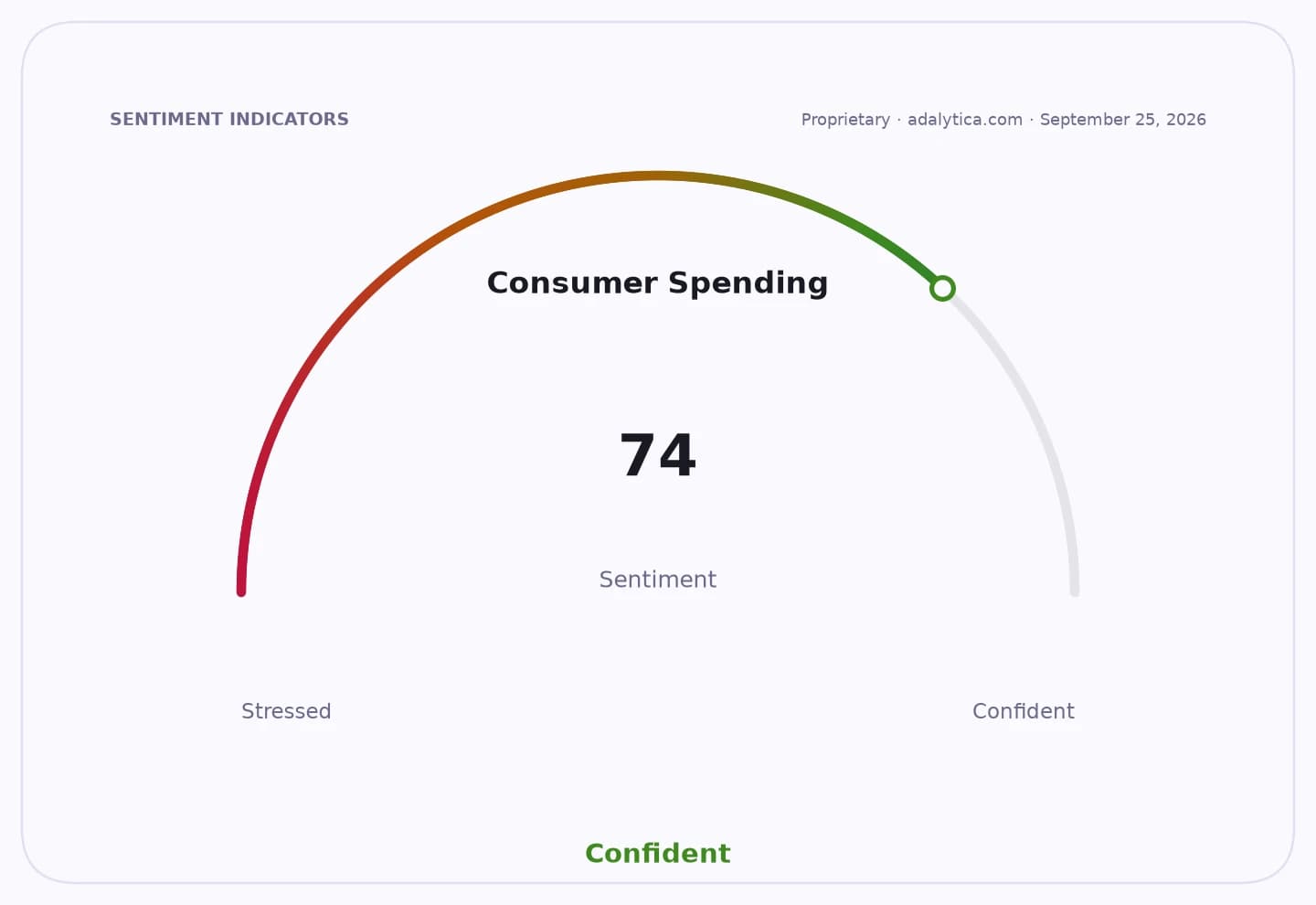
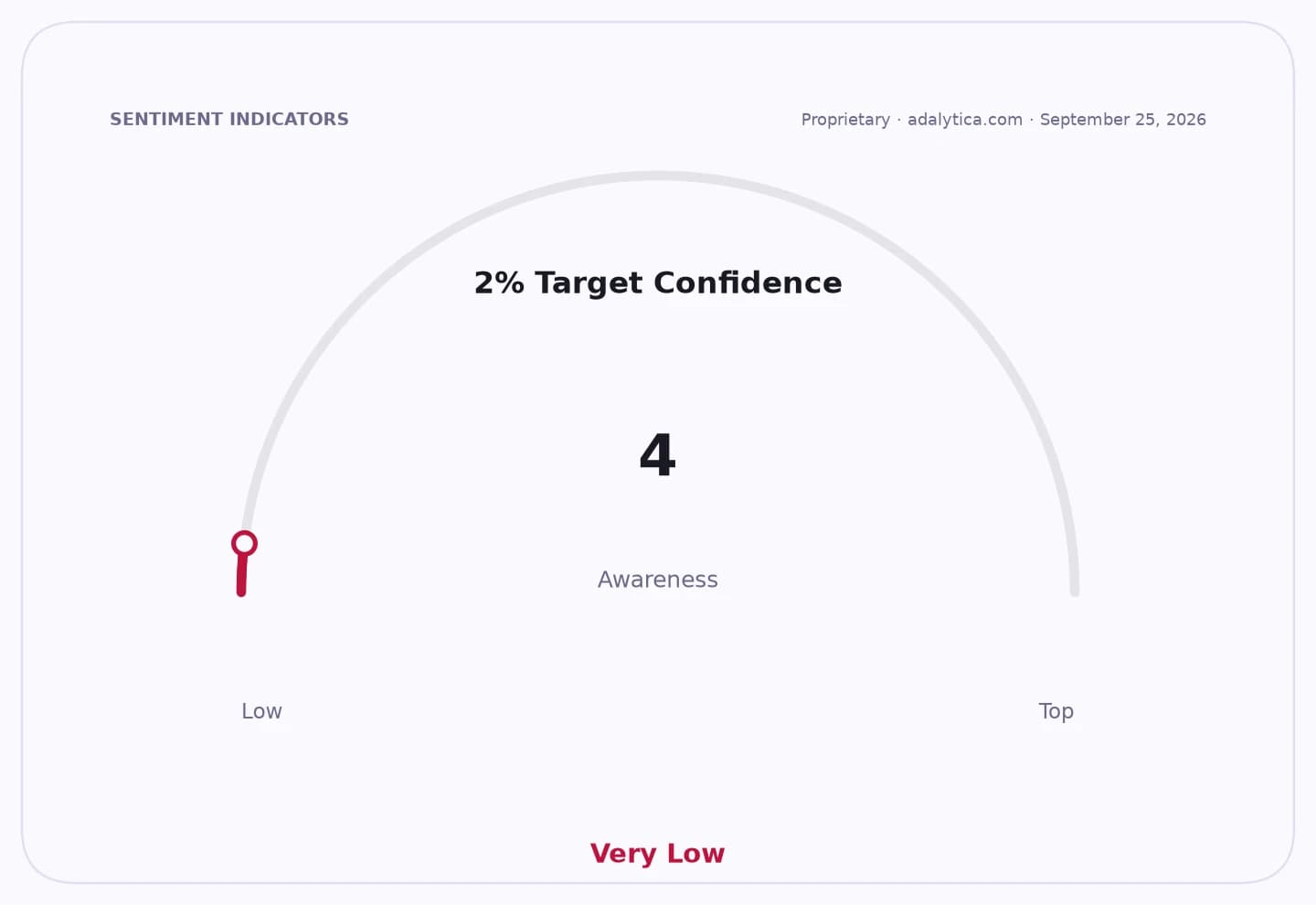
Sentiment IndicatorsⓘProprietary · adalytica.com · July 15, 2026
This is a snapshot — live sentiment, awareness and momentum for 130+ markets update continuously in the dashboard.Open AlphaPulse
The timing is significant. Government revisions to war risk insurance rules have extended application deadlines and changed how damage to destroyed property is confirmed, underscoring that insurance frameworks are still being built out rather than merely administered. A program scheduled to begin on Jan. 1, 2026, points to a market where businesses need guidance on how to convert physical loss into recoverable value. That is precisely the sort of complexity that draws former bankers and real estate specialists, who are accustomed to asset appraisal, loan covenants and transaction due diligence.
The wider market backdrop is also supportive. U.S. labour data show unemployment holding around 4.2% to 4.3%, while job openings have rebounded to about 7.6 million, suggesting a still-tight hiring environment with enough movement in professional services to attract experienced personnel. In insurance, that matters because firms are competing for talent at the same time they are trying to defend margins in a competitive P&C market. Travelers has warned in recent filings that competition for employees and the impact of technological change remain intense, while brokers such as Brown & Brown and Arthur J. Gallagher continue to flag pricing and fee opportunities tied to a more active insurance-rate cycle.
For investors, the implication is that insurance consulting is becoming a structural growth area within a much larger insurance ecosystem. The bull case is that advisory and brokerage firms can earn more recurring, higher-margin revenue as clients outsource increasingly technical risk decisions. The bear case is that demand could be cyclical, tied to conflict, regulation and claims spikes, and the talent pool may remain thin as firms compete for the same experienced personnel.
The narrative is not simply a career migration. It is a sign that insurance is moving closer to the centre of corporate strategy, where property, credit and geopolitical risk overlap. The firms that can translate technical coverage into practical recovery will gain share, while those relying on old-style policy placement may struggle to keep up.
| Entity | Gains | Losses |
|---|---|---|
| Insurance consultancies | ▲Higher-fee advisory demand | ▼More competition for talent |
| Former real estate/banking personnel | ▲New revenue opportunity | ▼Need to relearn a complex field |
| Businesses in conflict zones | ▲Better claims navigation | ▼Higher compliance burden |
| Traditional insurers | ▲More technical engagement with clients | ▼Pressure on margins and staffing |