Italy’s biggest bank has boosted its XRP exposure sharply even as it trimmed parts of its Bitcoin and Ethereum book, underscoring how regulated crypto funds are increasingly being used to rotate institutional capital within digital assets rather than simply add fresh Bitcoin beta.
Intesa Sanpaolo Boosts XRP and Solana ETF Holdings

Intesa Sanpaolo’s latest U.S. regulatory filing shows the bank increased disclosed cryptocurrency-linked ETF holdings to $108.56 million at Sept. 30 from $90.84 million at the end of June, with XRP one of the largest beneficiaries. The bank kept its 712,319 shares in the Grayscale XRP Trust ETF and added a new 402,750-share position in the Bitwise XRP ETF, taking total XRP exposure to about $27.21 million from $14.42 million.
Sentiment Indicators

That shift matters because it suggests a large, conservative European lender is continuing to broaden its crypto allocation beyond the two assets that have dominated institutional flows for years. XRP and Solana are emerging as the more aggressive trade in a market where Bitcoin remains the benchmark but no longer the only institutional destination. Intesa also added massively to Solana through the Bitwise Solana Staking ETF, lifting that position to about $14.14 million from a token holding of just seven shares in June.
The bank did not give a reason for the changes, but the filing points to portfolio rebalancing rather than a wholesale exit from major crypto exposures. Bitcoin is still Intesa’s largest cryptocurrency investment at about $61.4 million. Even so, the bank cut its ARK 21Shares Bitcoin ETF stake by roughly 43%, while increasing its position in BlackRock’s iShares Bitcoin Trust more than threefold. In Ethereum, it reduced its holding in BlackRock’s iShares Staked Ethereum ETF to about $5.21 million from $7.1 million.

For investors, the more important signal is not that Intesa is abandoning Bitcoin or Ethereum — it is not — but that a major bank sees enough liquidity and regulatory comfort in newer ETF wrappers to diversify into XRP and Solana at meaningful size. That is a vote for the maturation of crypto investment products, and it reinforces the idea that institutional demand is becoming more segmented by use case, narrative and relative performance.
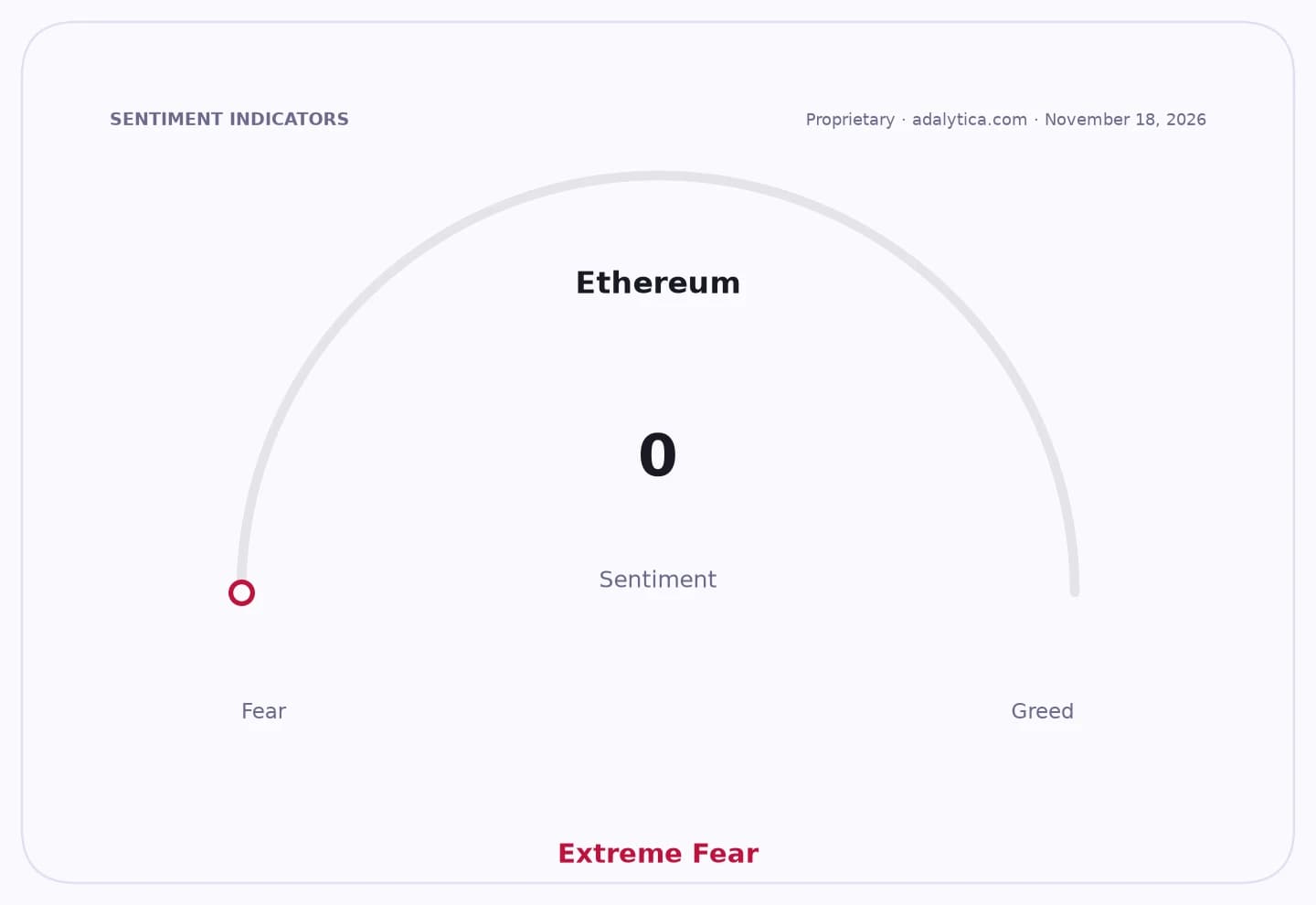
The timing is notable. XRP is trading near $0.99 and remains under pressure, down about 25.5% over the past month and 57.5% over the past year. Bitcoin is also in a weak spot, with conventional technical gauges showing it trading well below its 50-day moving average and with RSI readings in deeply oversold territory. Ethereum looks even more fragile, with its own RSI near 11 and an Adalytica sentiment snapshot showing “Extreme Fear.” Against that backdrop, Intesa’s move reads less like a broad crypto risk-on bet than a rotation toward assets it may judge to have more upside asymmetry, or at least more room for institutional accumulation through ETF vehicles.
The bull case is that bank-led adoption through regulated funds can deepen market participation and support liquidity in XRP and Solana, especially if more institutions follow Intesa’s example. The bear case is that these are still small allocations relative to a $108.56 million portfolio and may simply reflect tactical rebalancing, not a durable conviction shift. Either way, the filing shows that the next phase of institutional crypto exposure may be less about owning only Bitcoin and more about choosing among competing digital assets through listed products.
| Entity | Gains | Losses |
|---|---|---|
| Intesa Sanpaolo | ▲Broader crypto diversification | ▼Concentration in Bitcoin/Ethereum |
| XRP and Solana | ▲Larger institutional ETF flows | ▼Bitcoin dominance narrative |
| BlackRock/Bitwise crypto ETFs | ▲Higher institutional demand | ▼Pure spot-style crypto exposure |
| Bitcoin and Ethereum holders | ▲— | ▼Relative capital rotation |