IPN is moving into personal finance software with an application designed to improve users’ financial health and suggest spending, a bet that banks and fintech groups can capture more of the everyday cash flow as Vietnamese lenders broaden beyond traditional credit and deposits.
IPN moves into personal finance software in Vietnam
The significance is less about one app than the direction of travel in Vietnam’s banking sector. MSB’s shareholder-approved capital increase to 46,800 billion dong underscores how lenders are scaling up balance sheets and technology budgets at the same time as they expand into wider financial services. For banks, digital tools that guide spending and help manage household finances are becoming part of the competitive toolkit, not just a customer-service add-on.
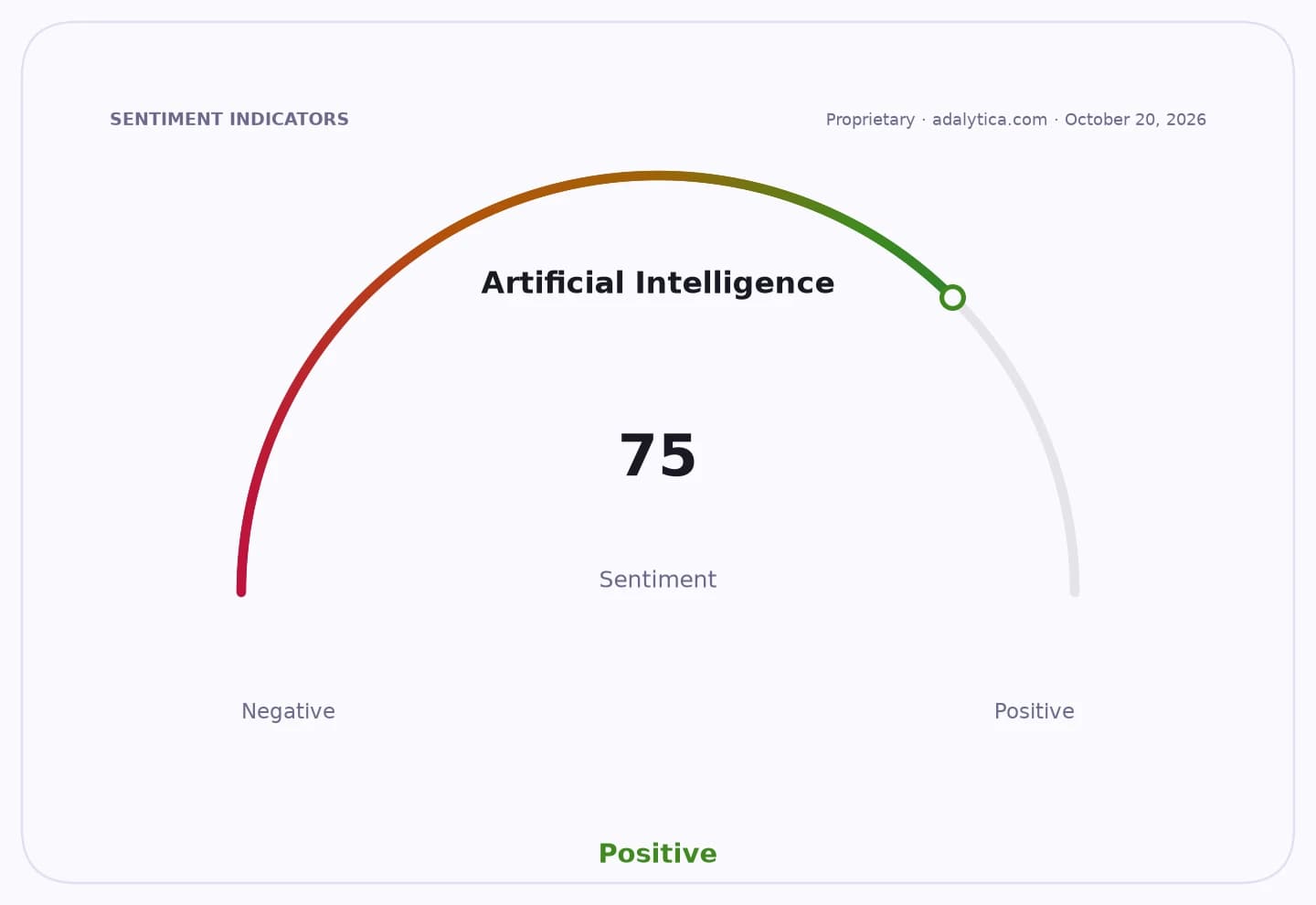
Sentiment IndicatorsⓘProprietary · adalytica.com · October 22, 2026
This is a snapshot — live sentiment, awareness and momentum for 130+ markets update continuously in the dashboard.Open AlphaPulse
That shift matters economically because a deeper personal finance ecosystem can lift transaction activity, improve customer retention and create more cross-selling opportunities in payments, lending and wealth products. In a market where banks are under pressure to strengthen capital, absorb cybersecurity costs and defend margins, software that keeps users inside the bank’s ecosystem can be cheaper than relying only on rate competition or branch growth.
Investor interest is likely to hinge on whether IPN can turn the app into a scaled distribution channel rather than a standalone product. The bull case is that spending recommendations and budgeting tools can deepen engagement and generate data that improves credit underwriting and product targeting. The bear case is that the field is crowded, switching costs for consumers are low and monetisation can be slow unless the app is tightly linked to a banking or payments franchise.
The timing also fits a softer consumer backdrop. Adalytica’s Consumer Spending Sentiment gauge sits at 32, in neutral territory, but awareness is in “Extreme Fear” and has fallen sharply over the past month. Retail-goods sentiment is holding up better at 64, yet its own awareness reading is only 21. That combination suggests households remain cautious even if they have not pulled back entirely, which increases the appeal of apps that help consumers budget, track outflows and avoid overspending.
For investors, the practical takeaway is that the next phase of competition in Vietnamese financial services may be won through software and customer data as much as through loan growth. Banks with stronger capital and broader digital ecosystems may be better placed to defend market share, while smaller players could struggle to match the technology spend needed to keep pace.
The broader market backdrop is constructive but selective. SPY has been grinding higher, with the index at 773.09 and trading above its 50-day and 200-day moving averages, a sign that global risk appetite remains intact. But the message from consumer sentiment is more cautious: investors should look for financial firms that can convert digital engagement into fee income and lower funding costs, rather than simply chasing headline user growth.
| Entity | Gains | Losses |
|---|---|---|
| IPN | ▲user engagement, data access | ▼standalone monetisation risk |
| Vietnamese banks | ▲deeper customer retention | ▼higher tech and security costs |
| Consumers | ▲spending guidance, budgeting tools | ▼privacy concerns, app overload |
| Smaller rivals | ▲— | ▼harder to match digital scale |