Online trading platforms are winning users because they have stripped away much of the friction that once kept ordinary investors out of financial markets — but the real investment story is that easier access is expanding participation faster than many risk controls can keep up.
Online Trading Platforms Gain Users in Mobile Markets
That matters economically because the shift turns trading into another layer of the digital finance stack, especially in fast-growing markets such as Nigeria, where smartphones already dominate payments, banking and commerce. When a platform can offer access to more than 140 assets and a demo account from a phone, it lowers the practical barrier to entry and widens the addressable market for brokers, payment processors and market-data providers. It also increases the odds that more household savings get pulled into speculative activity, a trend regulators will watch closely as online trading spreads into markets with limited financial literacy and uneven oversight.
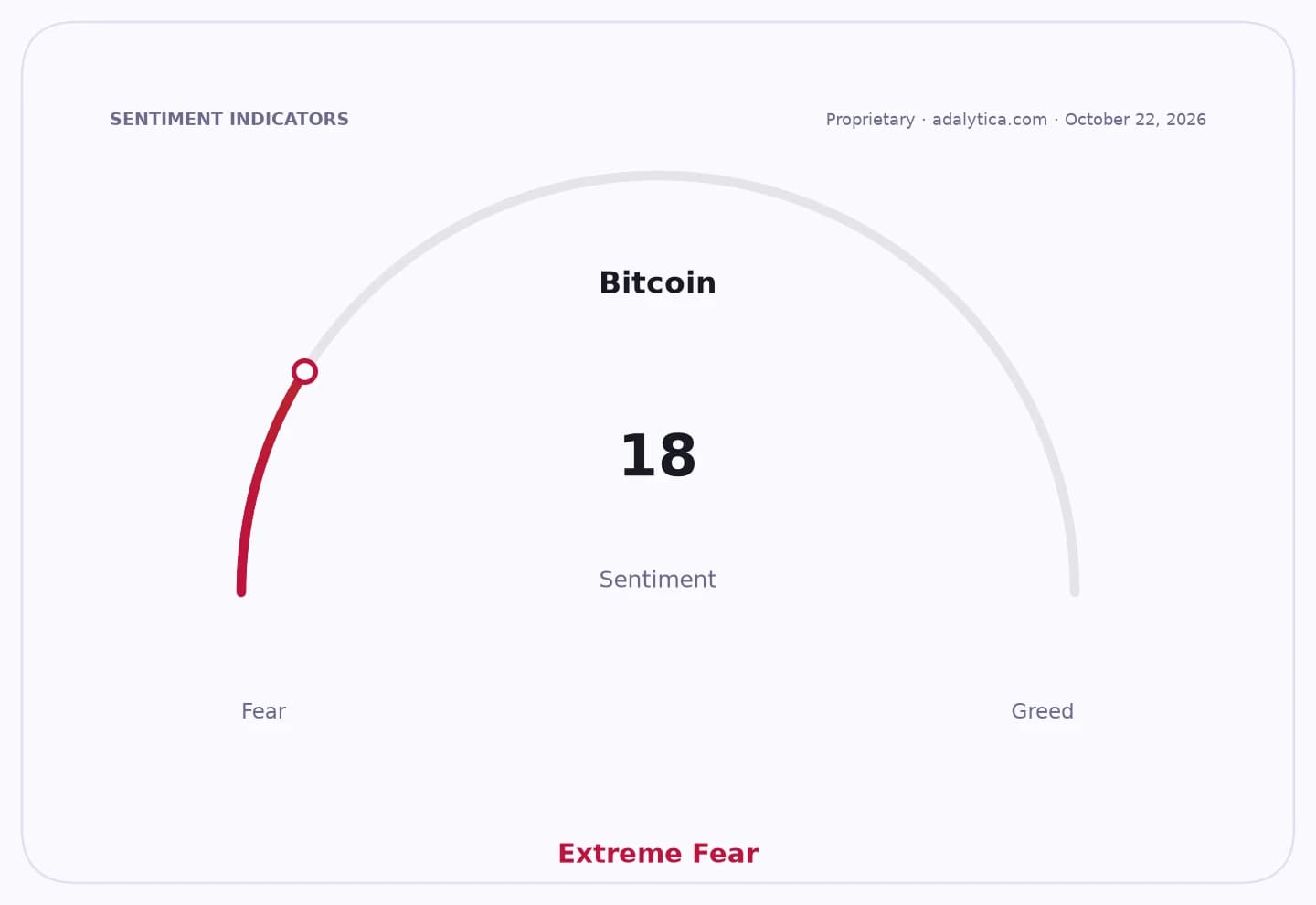
Sentiment IndicatorsⓘProprietary · adalytica.com · October 17, 2026
This is a snapshot — live sentiment, awareness and momentum for 130+ markets update continuously in the dashboard.Open AlphaPulse
For investors, the implication is that the platform economy around retail trading still has room to run. The market often focuses on headline app downloads or short-term trading volumes, but the bigger opportunity sits in the picks-and-shovels layer: electronic brokers, verification services, payments rails, mobile-first fintechs and infrastructure companies that monetize activity whether customers win or lose. Publicly traded names such as Tradeweb Markets, Interactive Brokers and Robinhood are all exposed to the secular move toward simpler, app-based access to markets, while payment companies that handle funding and withdrawals can benefit from the same flow. The challenge is that this growth comes with a darker edge: users can lose their full account balance, and platforms that scale fastest will also face the steepest scrutiny over suitability, disclosure and withdrawal controls.
The investment thesis is straightforward. Digital trading is not just a consumer behavior trend; it is part of a broader re-platforming of finance, where the interface is becoming the product. That favors companies with strong technology, low-friction onboarding and recurring transaction economics. It also explains why demo accounts and identity verification have become such important features: the first builds confidence, the second keeps the business inside regulatory lines. Stockity’s own warning that online trading can result in substantial losses underscores the central tension in the opportunity — growth is real, but so is the attrition rate among inexperienced users.
The market tends to underestimate how powerful that combination can be. In a world where financial services are increasingly mobile, the winners are likely to be the platforms that make access simple, comply with local rules and keep users engaged long enough to generate repeat activity. If that trend continues, the next leg of growth will not come from a single app or brand, but from the entire ecosystem built around retail market participation. Investors should treat online trading as a long-duration digital-finance theme, with the most durable upside likely to accrue to the infrastructure providers that sit behind the screen.
| Entity | Gains | Losses |
|---|---|---|
| Online trading platforms | ▲More users, higher engagement | ▼Higher compliance burden |
| Mobile-first fintechs | ▲New retail flow | ▼More regulatory scrutiny |
| Brokers and market infrastructure | ▲Transaction revenue growth | ▼Lower-friction competition |
| Retail beginners | ▲Easier market access | ▼Greater loss risk |