Iran is running into logistics bottlenecks on the Caspian Sea that are preventing its northern trade route from offsetting pressure on its southern ports, leaving the country more exposed as tensions with the U.S. and its regional rivals intensify.
Iran Caspian route bottlenecks limit trade shift
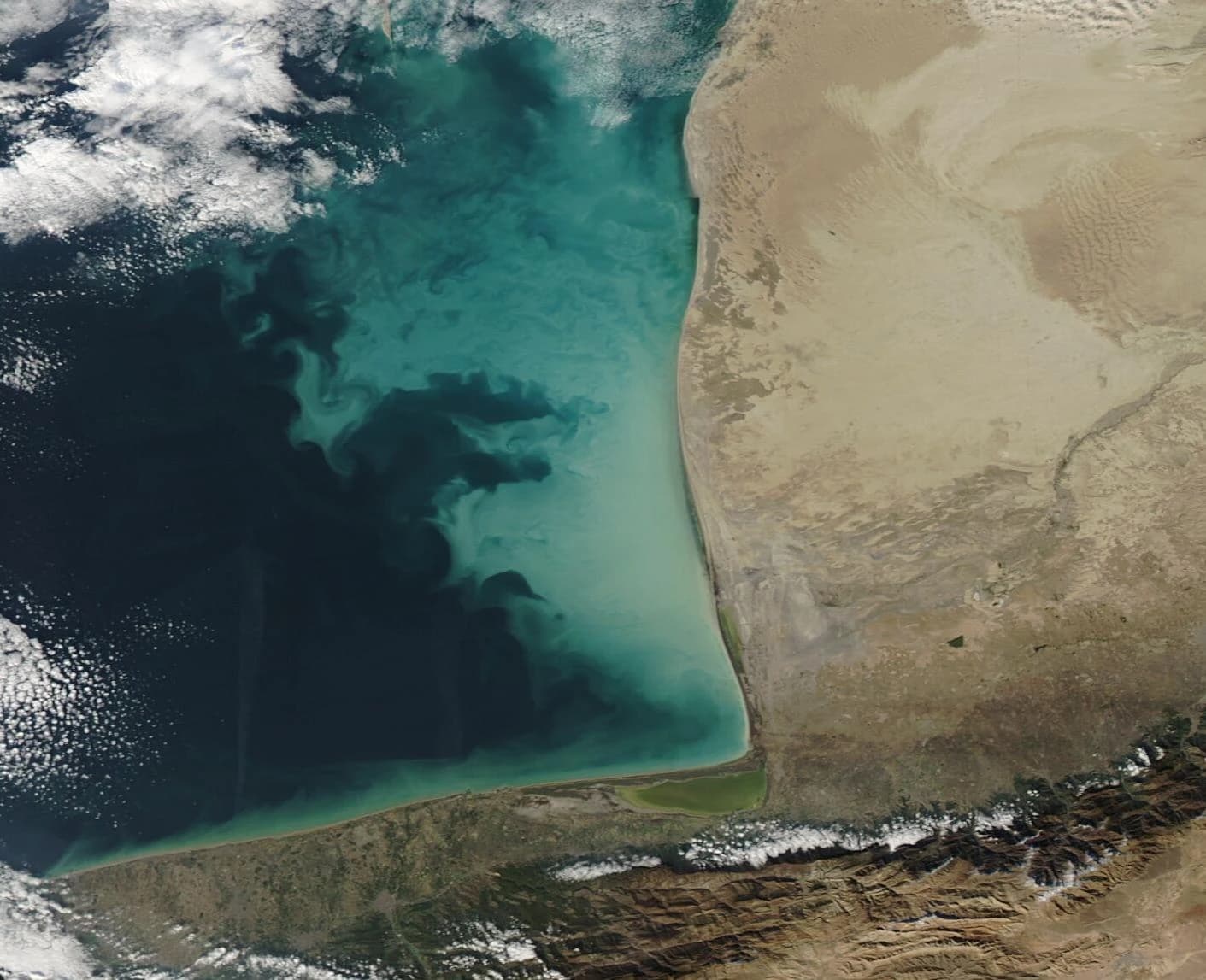
The problem matters because Tehran has been trying to lean on the Caspian to expand commerce with Russia and Central Asia while its southern maritime access faces geopolitical risk. But the northern corridor is not yet functioning as a true substitute for the Persian Gulf and Gulf of Oman routes, which still handle the bulk of Iran’s external trade and energy-linked flows.
That leaves Iran with a narrower set of options at a time when maritime chokepoints are already under strain. The escalation around the Strait of Hormuz, Houthi attacks and U.S. pressure on countries doing business with Iran has raised the strategic value of alternative routes, but the Caspian passage is constrained by port capacity, inland transport links and the region’s limited shipping infrastructure.
For investors, the immediate implication is that Iran’s trade resilience remains fragile. Any attempt to reroute volumes northward is likely to be slower and more expensive than Tehran wants, limiting the country’s ability to blunt sanctions pressure or cushion disruption in the south. It also keeps risk elevated for shipping, energy and regional logistics markets that watch the Persian Gulf for spillover effects.
The broader narrative is that Iran is trying to build redundancy into its trade network, but geography and infrastructure are not cooperating. Unless port capacity, rail connections and cross-border coordination improve, the Caspian will remain a supplement rather than a replacement for Iran’s southern gateways.
Washington’s pressure campaign and the regional security environment will keep that calculation in focus, with any further escalation likely to deepen Iran’s reliance on vulnerable maritime routes.
| Entity | Gains | Losses |
|---|---|---|
| Iran’s Caspian route | ▲Limited diversification | ▼Can’t replace southern ports |
| Southern Iranian ports | ▲Remain essential | ▼Face geopolitical exposure |
| Russia/Central Asia trade partners | ▲Potential access route | ▼Slower, costlier logistics |
| U.S./regional pressure campaign | ▲Keeps Iran constrained | ▼Faces broader shipping risk |