Former U.S. Defense Secretary Leon Panetta said the conflict between Washington and Tehran could drag on for another six months, underscoring how a standoff around Iran is now a market risk as much as a geopolitical one.
Oil, gold, and dollar rise on Iran conflict

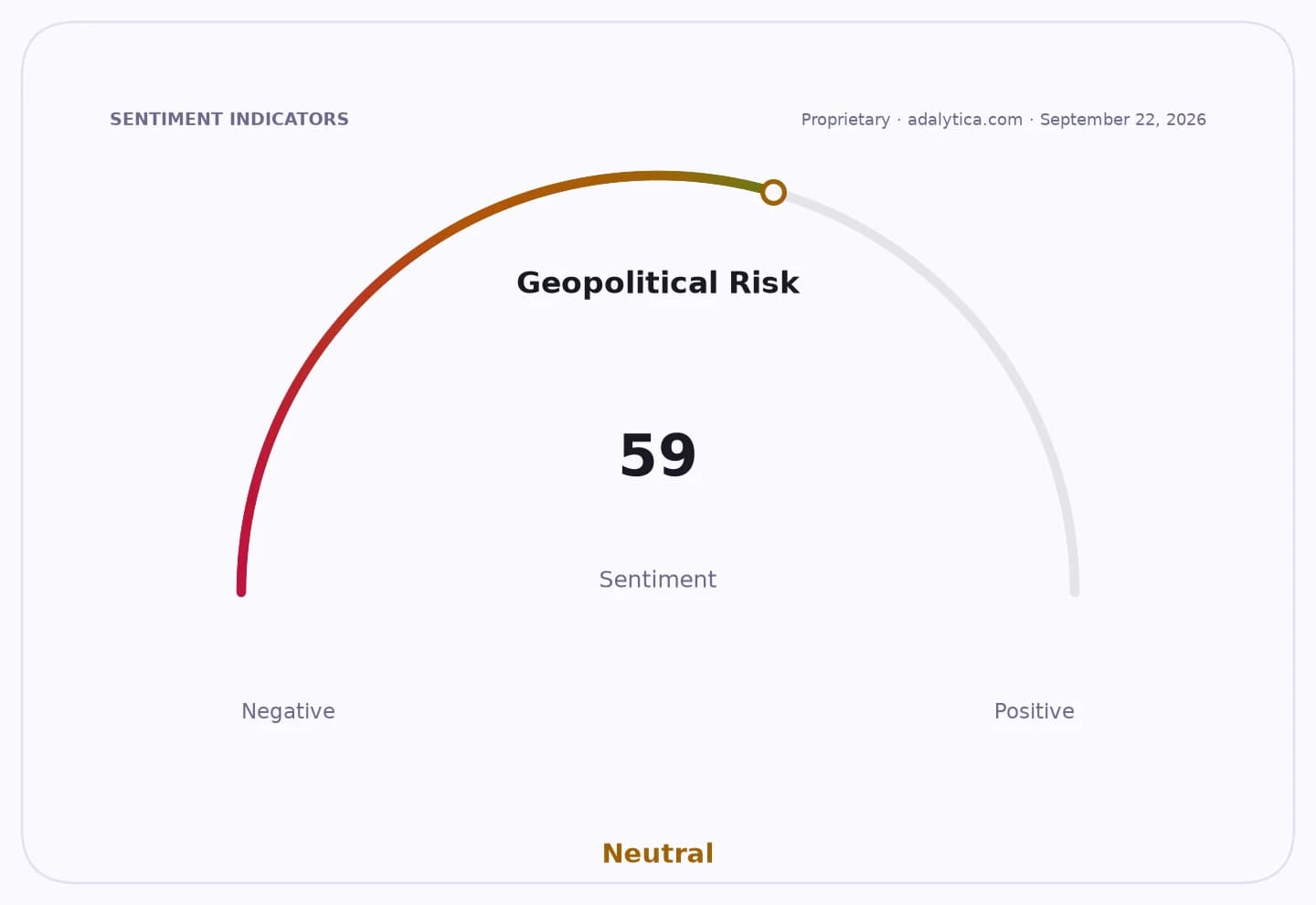
His warning matters because the war’s most consequential channel is no longer just battlefield casualties or Pentagon politics, but the threat to the Strait of Hormuz, a route that carries a large share of global oil trade. Oil prices are already elevated: WTI was trading near $142 a barrel in the latest data, after a sharp surge from about $85 in mid-April, while the U.S. dollar index has held firmer and gold has remained near record territory as investors price in prolonged instability.

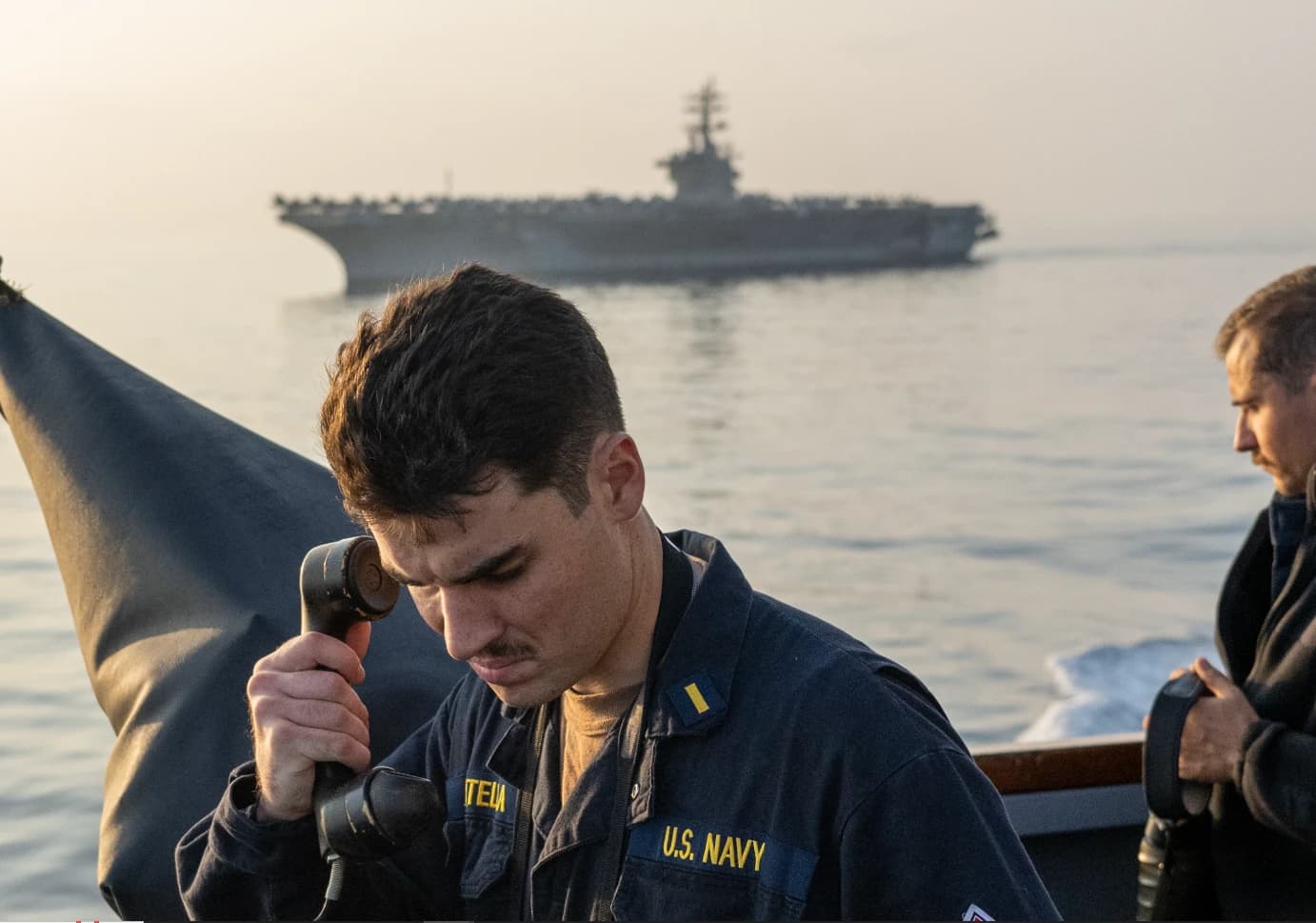
Panetta framed Washington’s options as unappealing: pull back and call it a failed war, keep trading strikes in a drawn-out stalemate, or move to secure Hormuz and remove Iran’s main leverage over global commerce. That last option would reduce the immediate shipping threat, but it would also mark a major escalation and risk pulling U.S. forces deeper into the conflict.
For investors, the message is that the premium on energy and safe-haven assets is unlikely to fade quickly. USO, the oil ETF, is trading well above its 50-day and 200-day moving averages, with RSI readings still elevated, suggesting the market is extended but not yet reversing. Gold fund GLD also remains above its long-term trend even after a recent pullback, while the dollar fund UUP has been steady, a sign that capital is still seeking protection rather than betting on de-escalation.

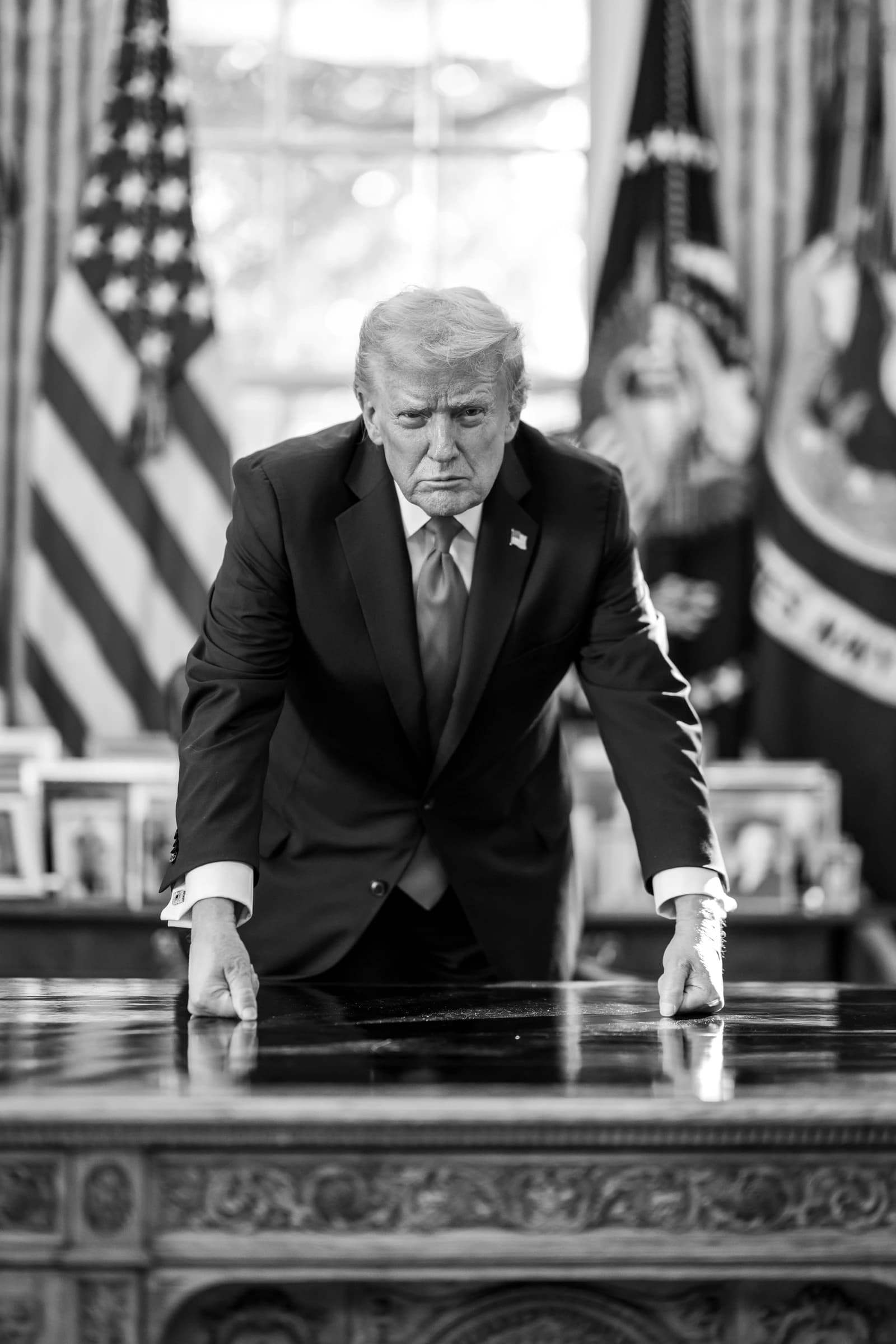
The political backdrop is adding to uncertainty. Panetta said repeated claims from President Donald Trump that a deal was near had damaged credibility, while the Pentagon rejected his criticism as baseless. The dispute highlights a broader problem for markets: there is no clear diplomatic off-ramp, no public deadline for ending hostilities and little evidence either side is prepared to concede.
The bull case for risk assets is that a negotiated pause or a limited settlement could quickly unwind part of the oil spike and relieve pressure on shipping, inflation expectations and bond yields. The bear case is that the conflict settles into a chronic tit-for-tat, keeping crude volatile, inflation stickier and central banks less comfortable easing.
For now, the dominant narrative is not imminent peace but managed escalation. That keeps energy producers, tanker owners and defense contractors supported, while airlines, refiners, consumers and importers remain exposed to another six months of supply-chain and price shocks.
| Entity | Gains | Losses |
|---|---|---|
| Oil producers | ▲Higher crude prices | ▼— |
| Energy consumers | ▲— | ▼Higher fuel costs |
| Safe-haven assets | ▲Flight-to-quality demand | ▼Risk-on flows |
| Shipping/importers | ▲— | ▼Hormuz disruption risk |