The U.S. dollar climbed to a fresh record against Iran’s currency on Thursday, underscoring how sanctions, war-related tensions and scarce foreign-exchange supply are feeding a depreciation spiral that is raising prices across the economy.
Iran dollar hits record on rial weakness
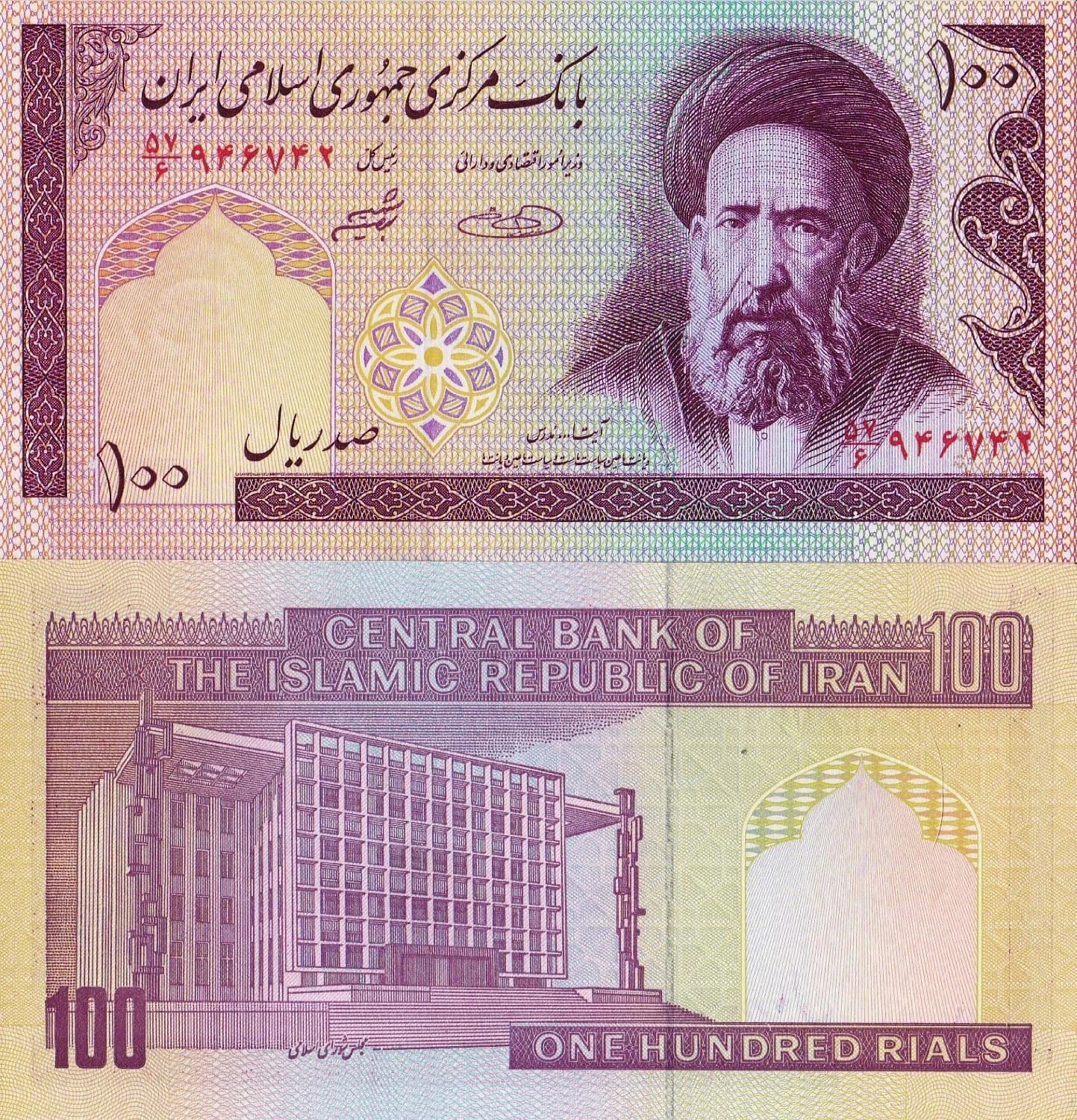
The dollar traded at 236,500 tomans in Iran’s free market, up from about 152,000 tomans at the start of the year, a gain of 55.6% in six months, according to the data cited in the source report. The move matters because in Iran’s import-dependent economy, a weaker rial quickly filters into the cost of food, cars, housing and other consumer goods, squeezing households whose rial incomes are not keeping pace.
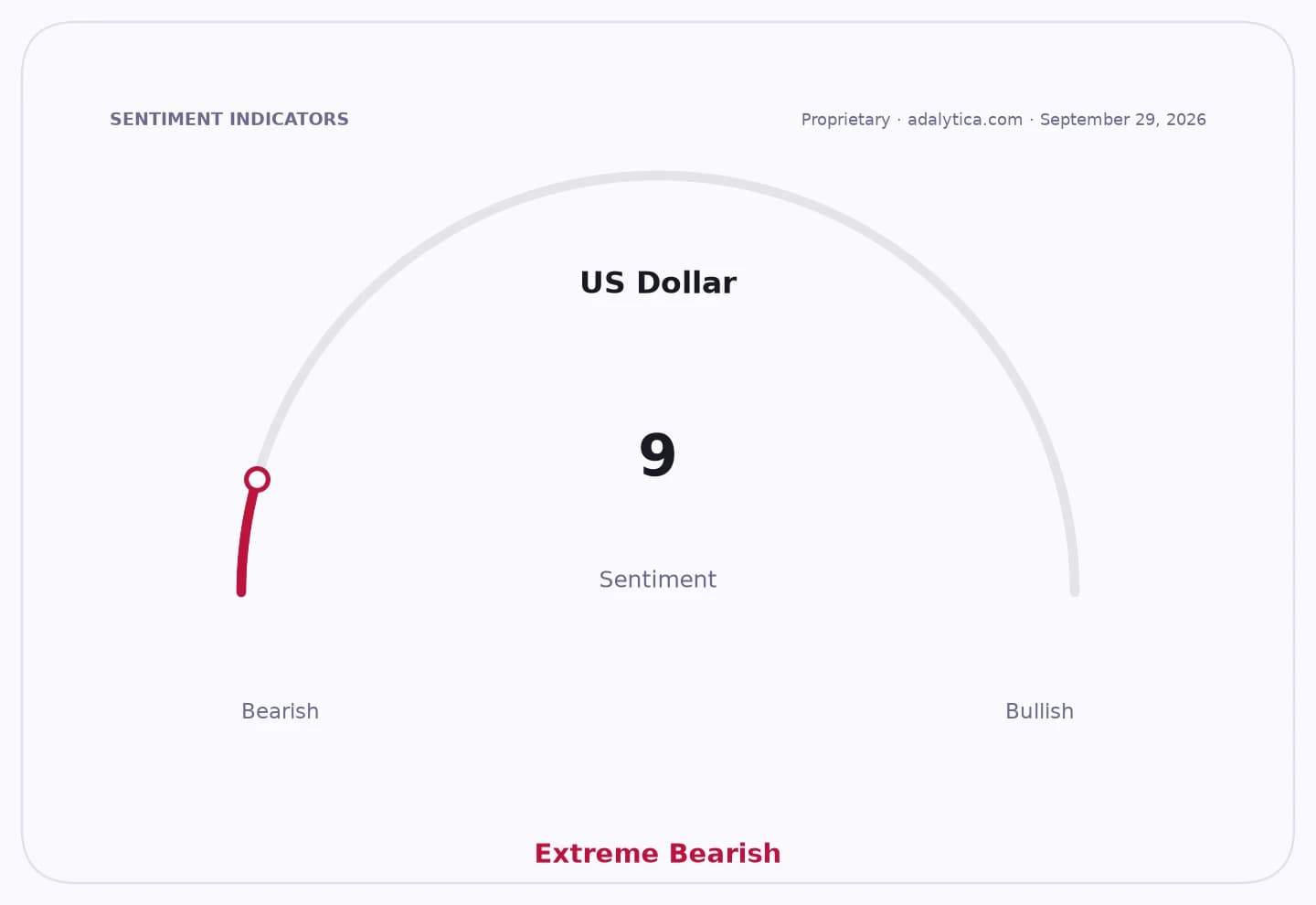
Sentiment IndicatorsⓘProprietary · adalytica.com · September 29, 2026
This is a snapshot — live sentiment, awareness and momentum for 130+ markets update continuously in the dashboard.Open AlphaPulse
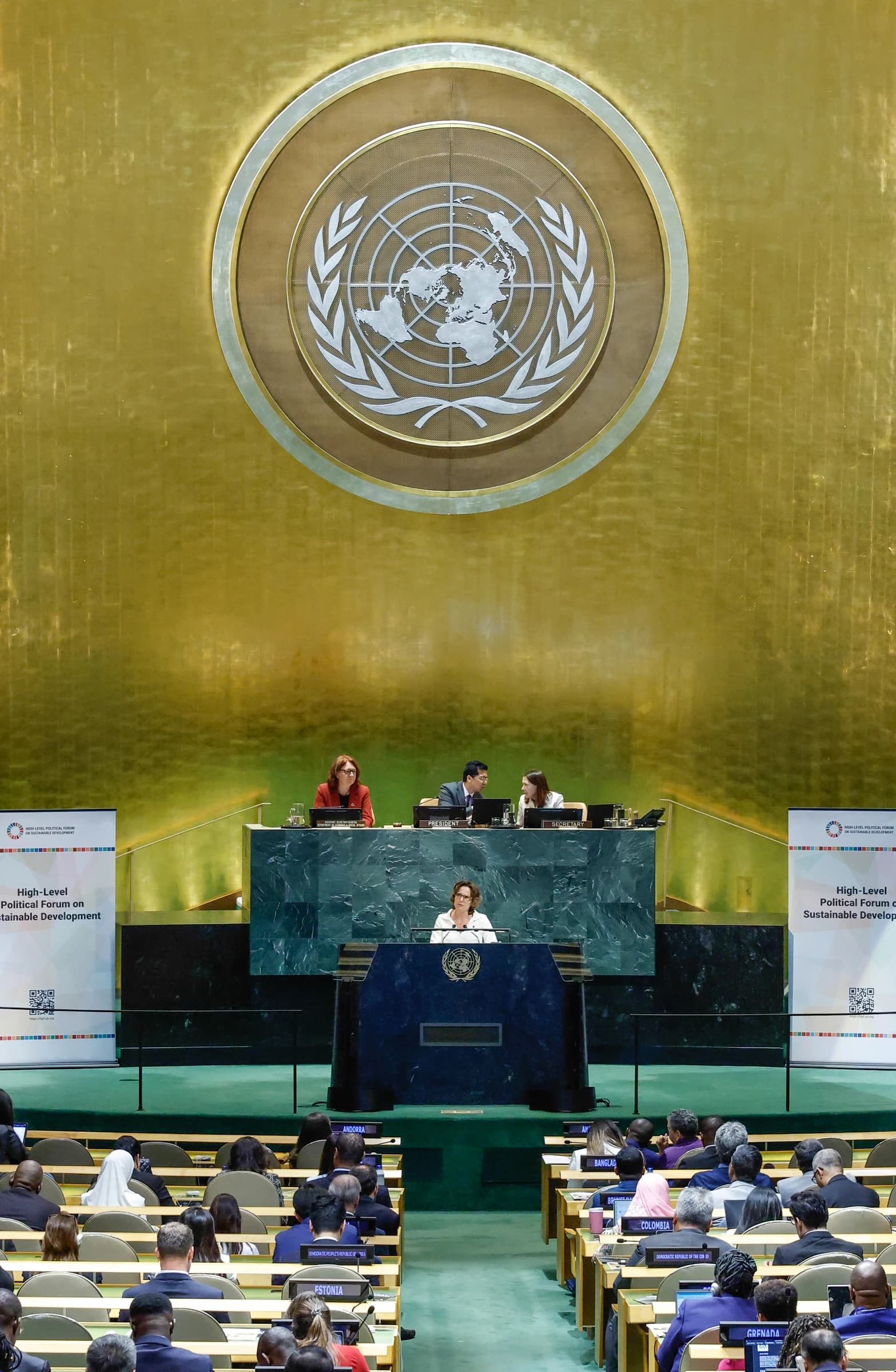
The latest jump came a day after President Masoud Pezeshkian addressed the United Nations General Assembly, a reminder that foreign policy and market stress remain tightly linked. Traders and economists have long treated the currency market as the clearest real-time gauge of confidence in Iran’s economic management, and the current slide suggests that confidence is still deteriorating rather than stabilizing.
The depreciation is also reshaping the pricing of gold and imported goods. The report said the “Emami” gold coin rose to 241 million tomans, while the “Bahar Azadi” coin reached 238.194 million tomans. Yet gold’s rise lagged the dollar’s advance, indicating that the main driver in Iran’s bullion market has been the exchange rate rather than moves in global gold prices, which were down 2.06% over the same period.
That distinction matters for investors and market participants because it shows the rial’s weakness is not a short-lived technical move but part of a broader inflation and liquidity stress. When foreign exchange becomes scarcer, local authorities often try to ration hard currency for essentials, but that can widen the gap between official and parallel rates and encourage rent-seeking. Mehdi Darabi, a deputy governor of the central bank, said the bank is prioritizing basic goods and has not allocated foreign exchange for car imports, warning that using hard currency held by Iranians abroad could still add to free-market demand.
The policy dilemma is familiar. A cheaper official rate can look like relief, but if reserves are limited and demand is rising, it often deepens distortions rather than easing them. The newspaper Donya-e-Eqtesad warned against returning to rigid exchange-rate fixing, arguing that artificially low rates can widen the spread with the free market and fuel speculative demand for subsidized dollars. Former central bank deputy governor Kamal Seyed Ali said cheaper foreign exchange for importers does not necessarily lower consumer prices because gains may be captured by intermediaries rather than passed on.
For investors, the immediate implication is that Iran’s macro instability remains self-reinforcing: sanctions limit dollar inflows, geopolitical tensions raise risk premiums, and a weakening currency pushes inflation higher, which in turn erodes purchasing power and household demand. The free-market dollar’s move to a record high suggests the pressure has not yet peaked, and unless foreign-exchange supply improves or political risk falls, imported inflation is likely to keep climbing.
That leaves Iran’s economy facing a difficult near-term outlook. A record currency low may help exporters in theory, but for most businesses and consumers it means higher input costs, weaker real incomes and more strain on balance sheets already adjusted for chronic instability.
| Entity | Gains | Losses |
|---|---|---|
| Dollar holders | ▲Higher local value | ▼Rial savers |
| Importers | ▲None | ▼Higher input costs |
| Iranian consumers | ▲None | ▼Rising living costs |
| Government/central bank | ▲More FX control leverage | ▼Credibility, price stability |