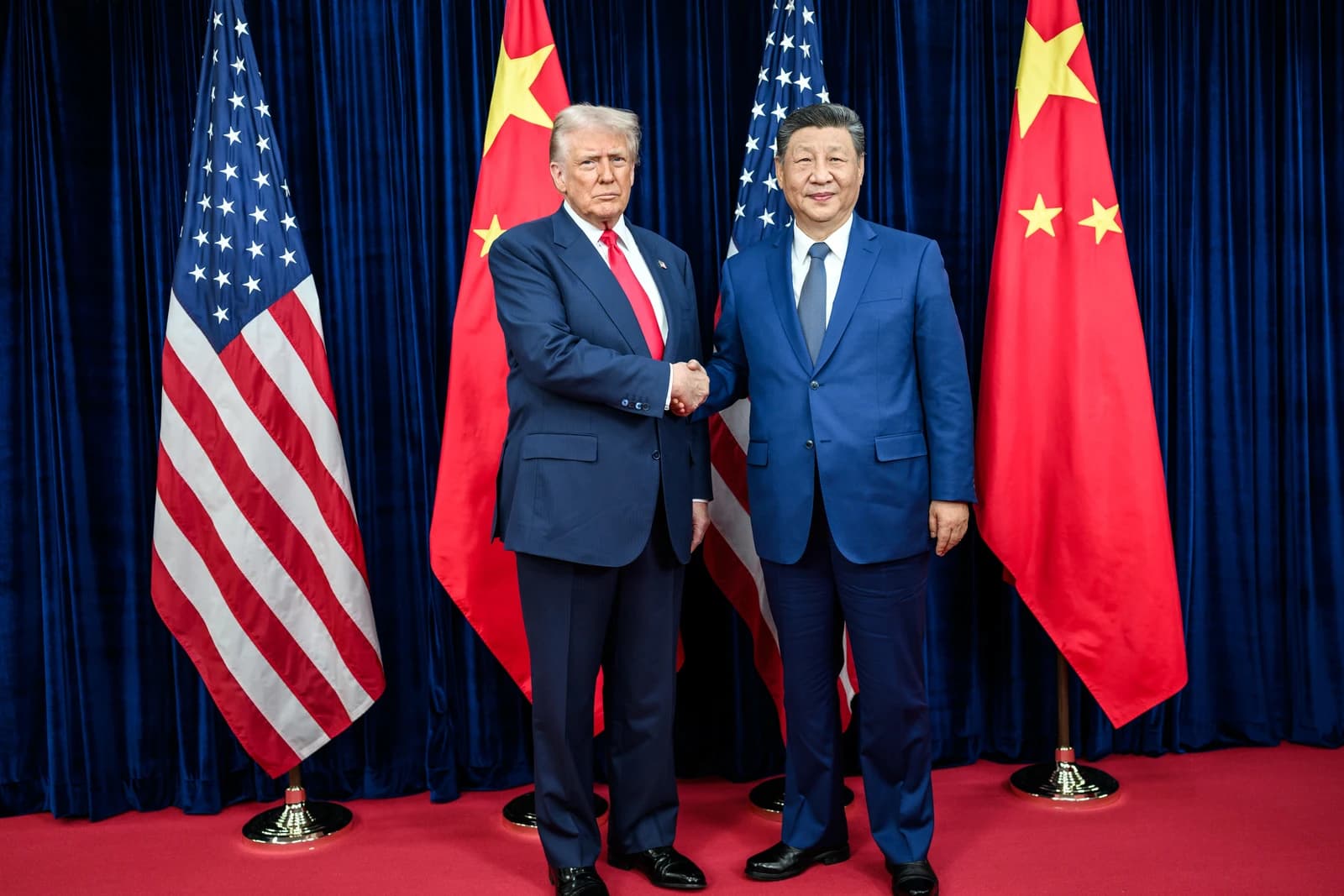
Iran’s foreign minister is in China at a moment when diplomacy, sanctions and energy security are colliding, and investors have good reason to pay attention.
Iran Foreign Minister Visits China on Tensions
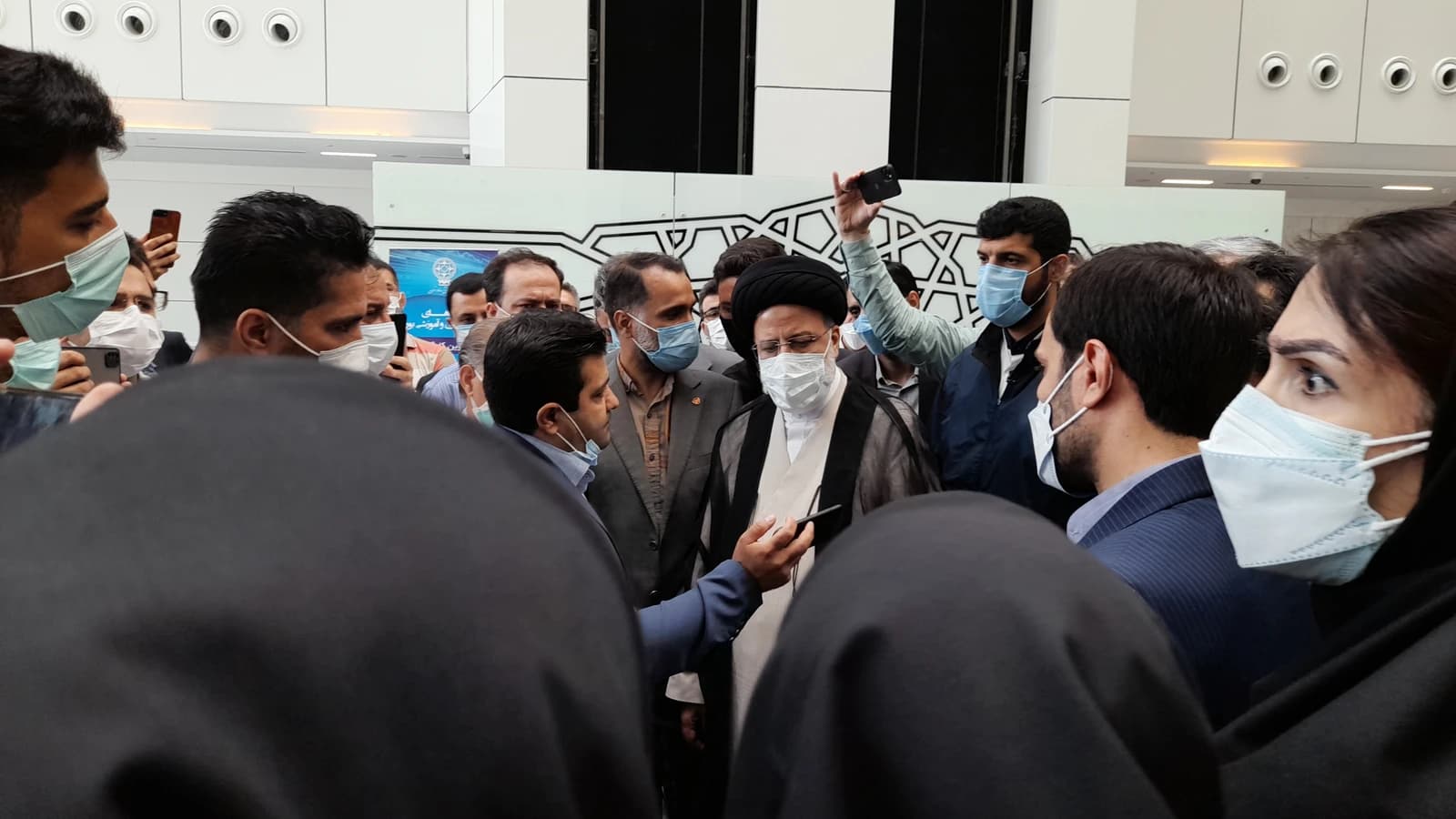
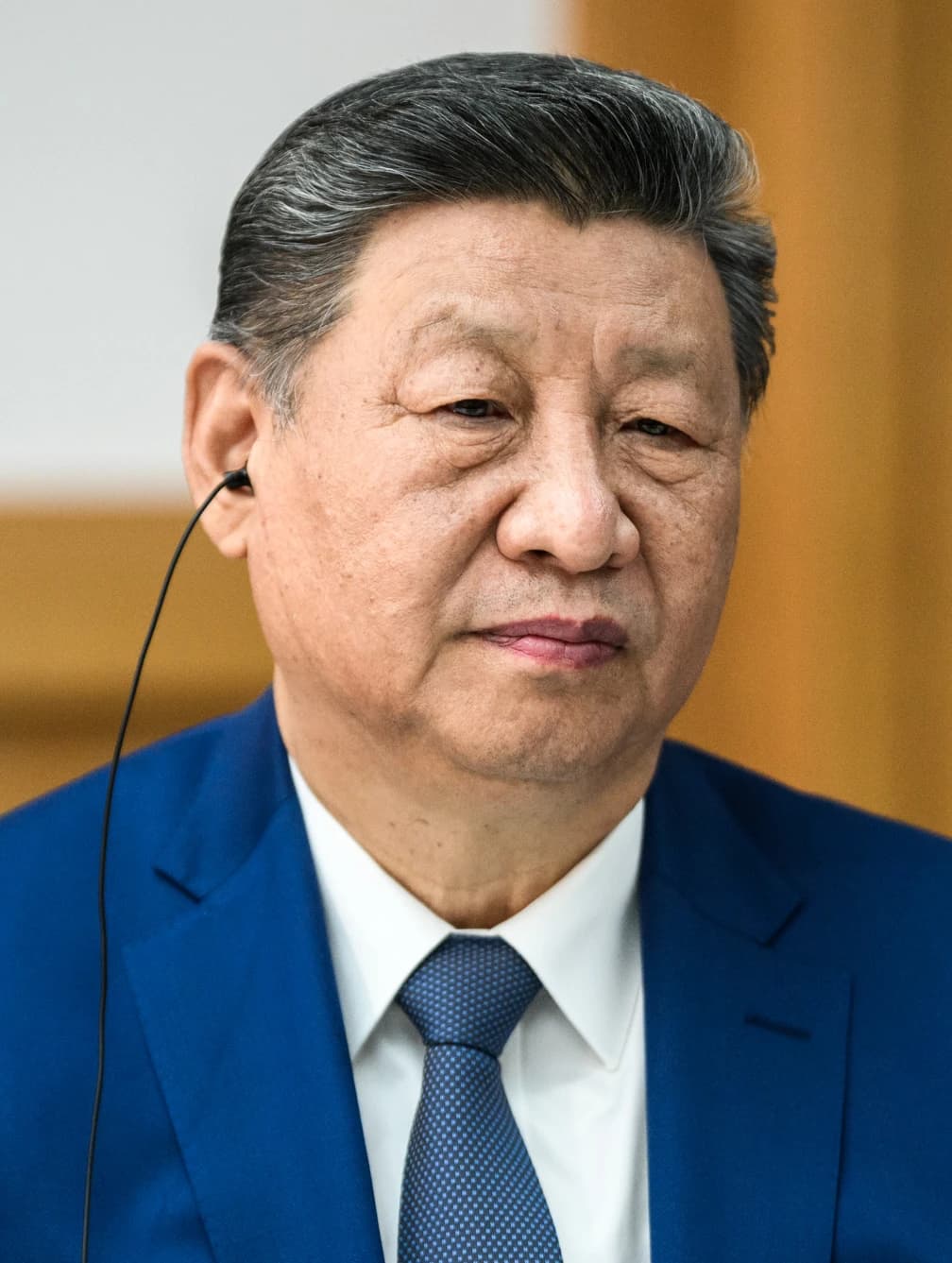
The trip by Abbas Araghchi to Beijing matters because China is one of the few powers with enough leverage to influence Tehran, while also being Iran’s biggest economic lifeline. With U.S.-Iran tensions still high and strikes on Iranian targets feeding fears of wider conflict, any sign that Beijing will back de-escalation — or at least keep channels open — can affect oil prices, shipping risk and the broader appetite for defensive assets.
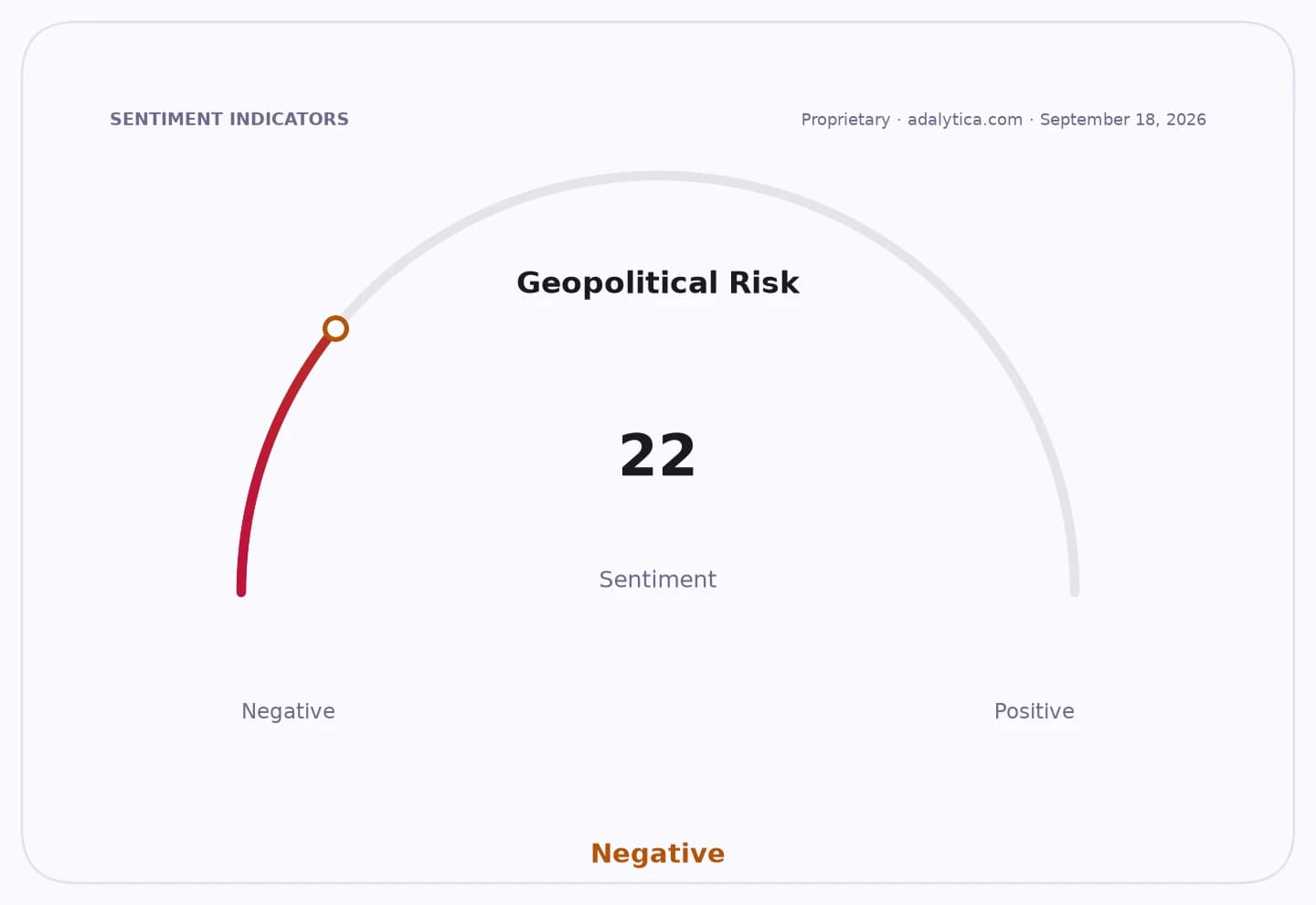
Sentiment IndicatorsⓘProprietary · adalytica.com · September 18, 2026
This is a snapshot — live sentiment, awareness and momentum for 130+ markets update continuously in the dashboard.Open AlphaPulse
That is the real economic stake here. The Strait of Hormuz remains the world’s most important energy chokepoint, and even a modest rise in regional risk can ripple through crude markets, airline costs, industrial input prices and inflation expectations. Brent and U.S. oil have already been sensitive to headlines around the conflict, and the U.S. dollar has strengthened as investors look for shelter. A more stable Gulf would ease some of that pressure. A breakdown in talks, by contrast, would keep a floor under energy prices and preserve the premium built into anything tied to Middle East supply disruption.
For investors, the immediate question is not whether this visit solves anything. It is whether it reduces the odds of a direct escalation that would hit global growth and keep energy volatility elevated. Energy stocks tend to benefit when crude stays high, which helps explain why the sector has outperformed broader markets during periods of geopolitical stress. Consumers, transport companies and interest-rate-sensitive sectors, meanwhile, usually bear the brunt when oil spikes and inflation re-accelerates.
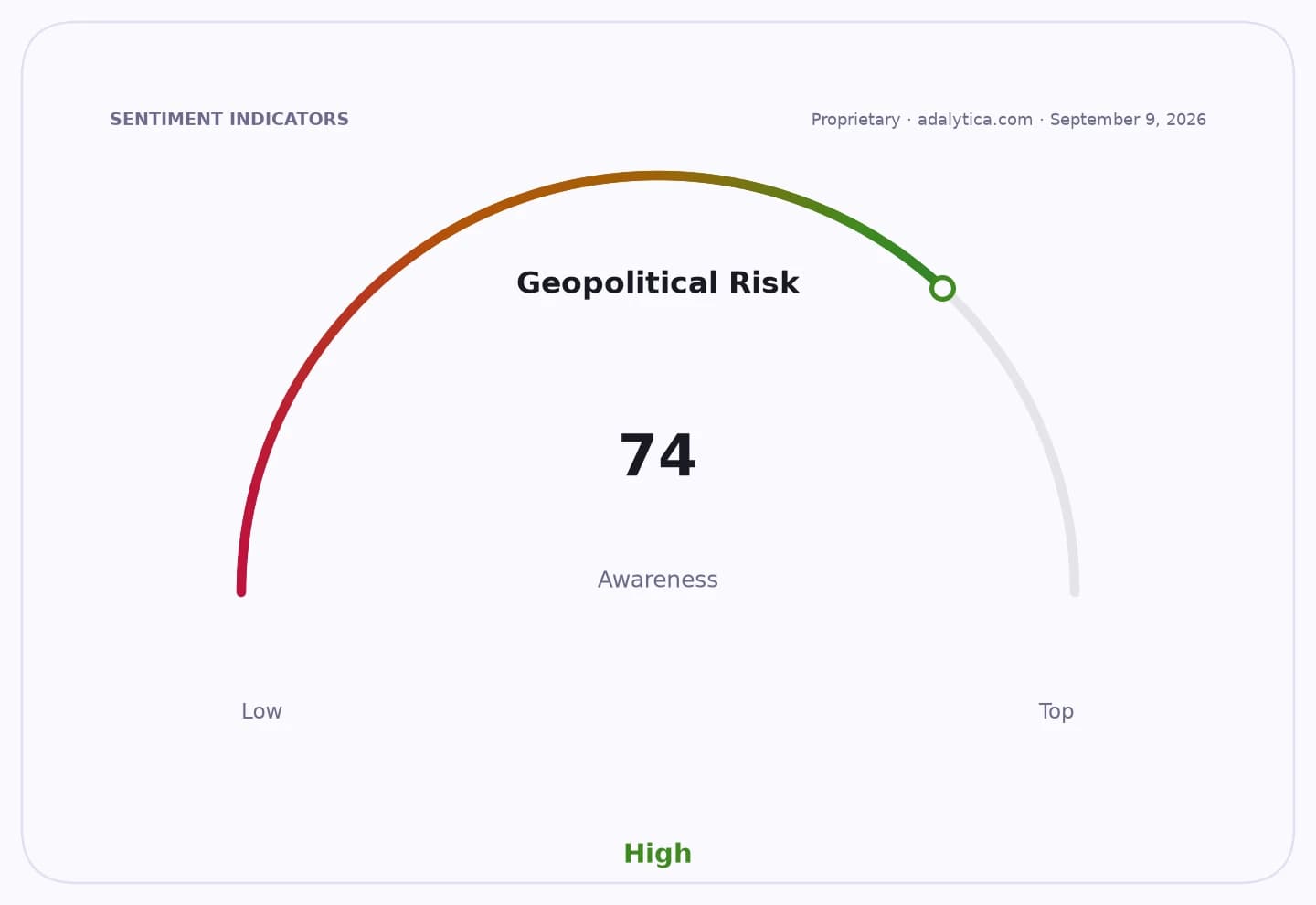
Geopolitical Risk — 30-day sentimentadalytica.com
Explore this data interactively — full history, time series and cross-market comparisons.Open AlphaPulse
China’s role also matters because Beijing has both strategic and commercial reasons to keep Iran from spiraling into a larger crisis. It wants reliable energy flows, fewer disruptions to trade and a global environment that does not complicate its own economic recovery. That makes China a natural interlocutor, but not a guaranteed peacemaker. If anything, the visit underlines how Iran is leaning harder on non-Western partners as U.S. pressure persists and sanctions continue to restrict its options.
The longer-term lesson for investors is simple: geopolitical risk in the Middle East is still an energy-market story first, and a diplomatic story second. If Araghchi’s talks help steady the region, that is constructive for inflation and for risk assets beyond oil. If they fail, crude could stay bid and volatility could remain a feature, not a bug, of the market backdrop. For now, this is worth watching closely and holding in the long-term investing playbook.
| Entity | Gains | Losses |
|---|---|---|
| Iran | ▲Diplomatic backing | ▼Isolation if talks fail |
| China | ▲Energy security leverage | ▼Higher regional trade risk |
| Oil producers | ▲Higher crude prices | ▼Demand if tensions ease |
| Global consumers | ▲Lower fuel costs if calm returns | ▼Inflation if conflict intensifies |