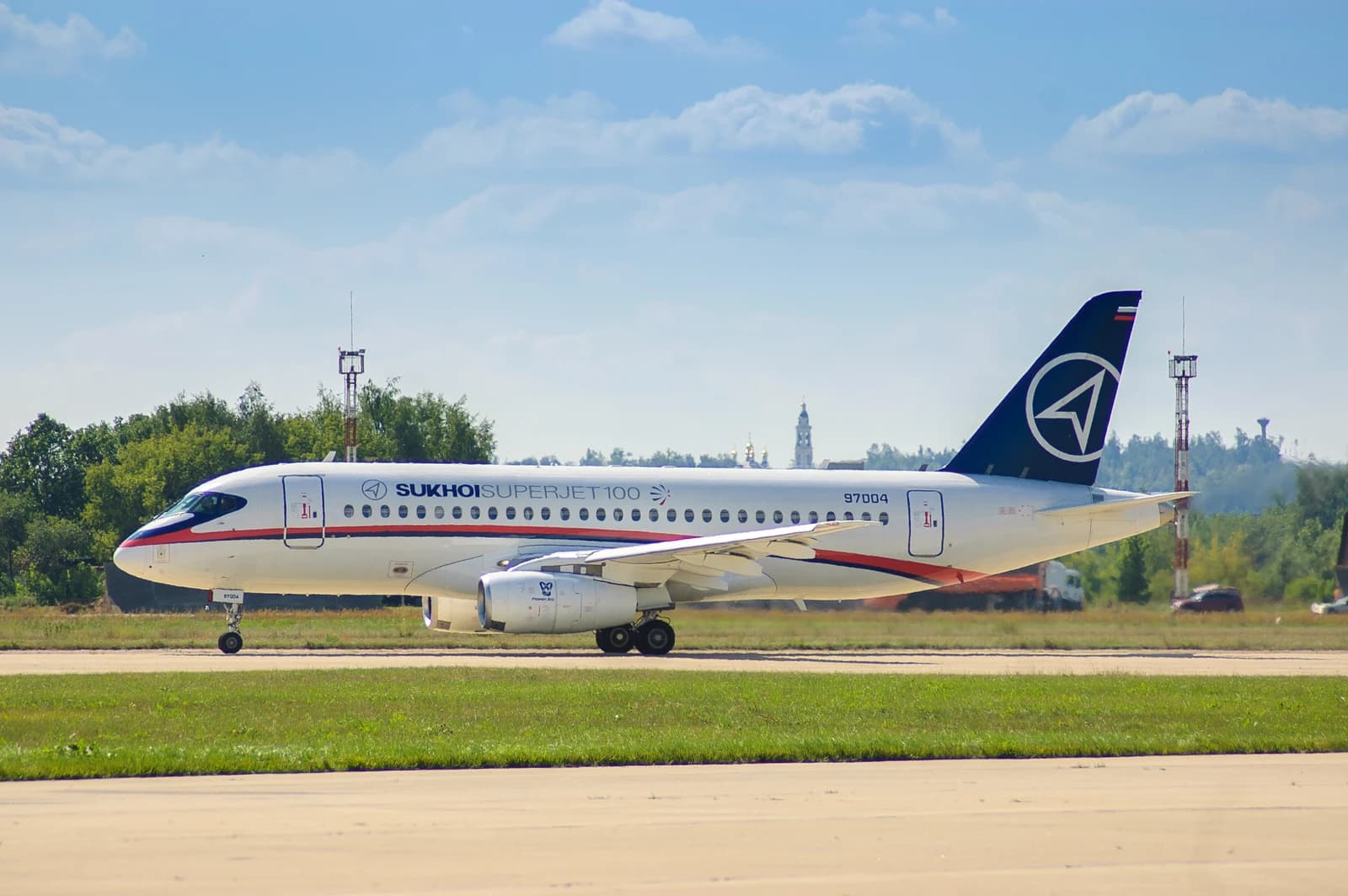
Iran’s order for 40 Sukhoi Superjet-100 passenger planes from Russia is less about a single airline deal than about how sanctions, war risk and industrial policy are redrawing the map of commercial aviation.
Iran Deal Highlights Split Aviation Market
The transaction underscores a hard reality for investors: when Western suppliers are cut off, demand does not disappear, it migrates. In this case, it is migrating toward Russia’s aerospace sector and away from Boeing and Airbus, while also exposing how sanctioned economies are increasingly forced into a parallel supply chain for aircraft, parts and maintenance. That matters because commercial aviation is not just a transport story. It is a capital-intensive ecosystem that drives jets, engines, leasing, MRO services, avionics and financing flows across borders.
Sentiment Indicators
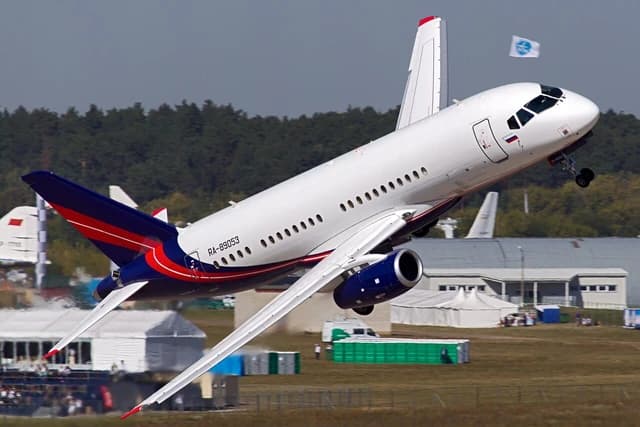
For Iran, the purchase is a necessity, not a luxury. Years of sanctions have hollowed out its civil fleet, limiting access to new aircraft, spare parts and certified support. Buying 40 Superjets gives Tehran a path to replenish domestic capacity and keep its aviation system functioning without relying on the U.S.- and Europe-dominated supply chain. For Moscow, the order is a political and industrial win: it provides an export outlet for an aircraft program that has long struggled to gain traction internationally and demonstrates that Russia can still sell complex manufactured goods to sanctioned partners.
The timing also fits a broader geopolitical pattern. As tensions in the Middle East rise and the U.S. expands military deployments around the region, states under pressure are accelerating alignment with non-Western suppliers. That is not only a defense story. It is a trade, logistics and infrastructure story, with implications for how capital is allocated across aerospace and industrial supply chains over the next several years. The market often prices these deals as isolated headlines; in reality, they are signals that sanctions are hardening into alternative commercial networks.
Investors should read this as another reason to separate the winners from the wounded in aviation. Boeing and Airbus remain locked out of a large swath of sanctioned demand, while Russian aerospace gains incremental relevance inside that closed system. Meanwhile, the more fragmented the global aircraft market becomes, the more valuable the aftermarket, parts, and maintenance franchises may be for operators with access to the right jurisdictions. In other words, the real opportunity is not necessarily in the aircraft supplier making the sale, but in the toll roads around the fleet.
The stock market is already telling a similar story in other defense- and aerospace-adjacent names, with Boeing trading above its 50-day and 200-day moving averages and RTX holding firm as geopolitical risk keeps defense spending elevated. But the bigger thesis is that sanctions are creating a two-track aviation economy: one track dominated by Western original equipment makers, and another built around sanctioned-state substitution, where Russia, China and their partners capture demand the West can no longer serve.
If the Middle East remains volatile and sanctions stay in place, expect more of these transactions, not fewer. That makes aerospace diversification, aftermarket exposure and geopolitically insulated industrial supply chains the cleaner way to play the trend. The market underestimates how durable this split can become.
| Entity | Gains | Losses |
|---|---|---|
| Russia’s aerospace industry | ▲Export demand | ▼Western market access |
| Iran’s airlines | ▲Fleet renewal | ▼Dependence on sanctioned suppliers |
| Boeing and Airbus | ▲— | ▼Lost addressable demand |
| MRO/parts suppliers in allied markets | ▲Aftermarket pricing power | ▼Fewer new-aircraft sales |