Iran’s foreign minister says the real purpose of his trip to New York is to defend the Islamic Republic’s interests on the world stage, underscoring that diplomacy at the United Nations is still being used as a pressure valve even as Tehran says it remains in a state of conflict with the United States and Israel.
Iran UNGA Trip Focuses on Diplomacy and Tensions
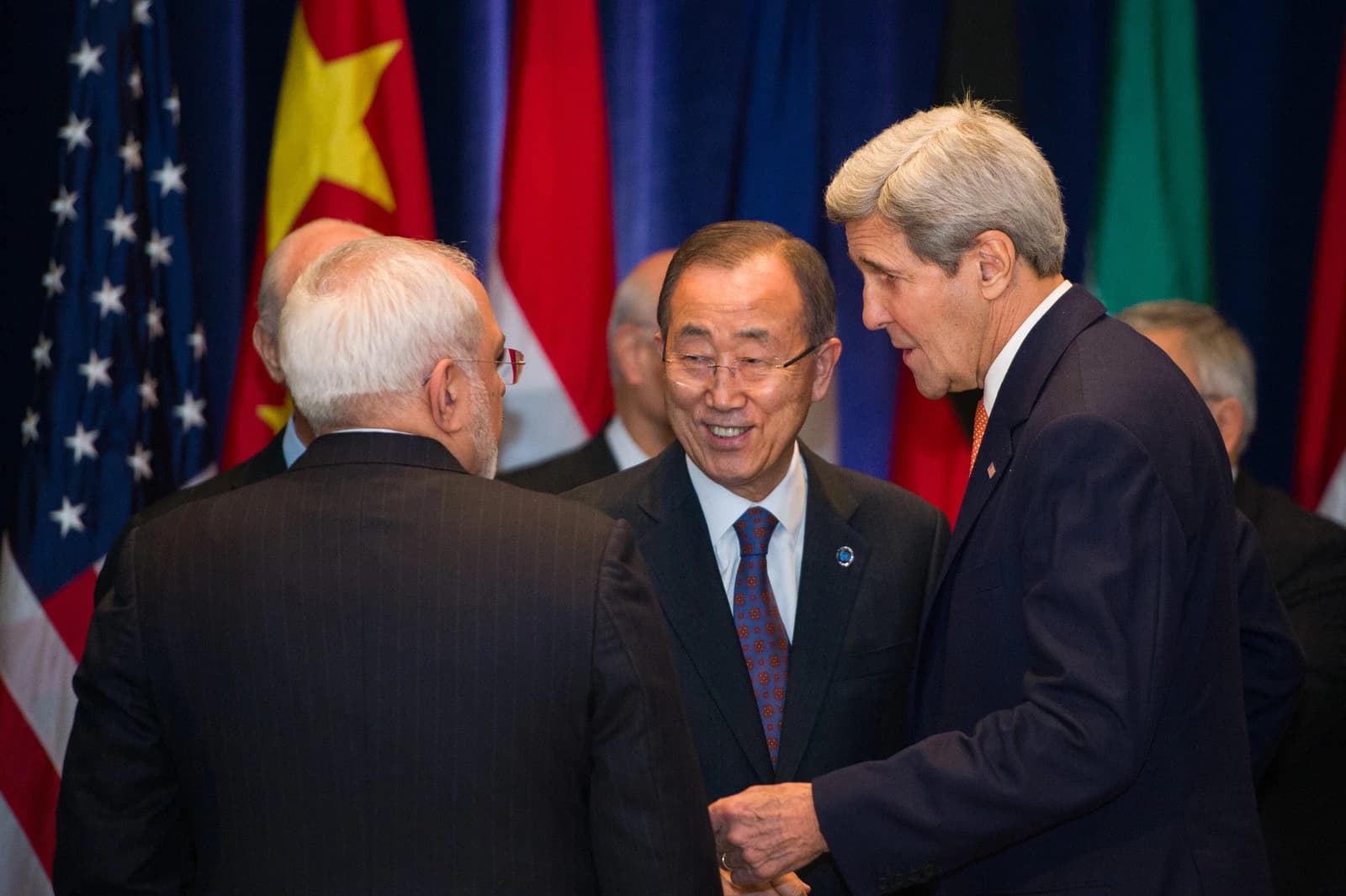
That matters because the visit comes at a moment when the Middle East remains a live geopolitical risk for markets. Every sign that Iran is willing to use UN General Assembly week for talks, speeches and bilateral meetings can influence expectations for sanctions, oil supply and broader investor sentiment toward global stability.
Sentiment IndicatorsⓘProprietary · adalytica.com · September 26, 2026
This is a snapshot — live sentiment, awareness and momentum for 130+ markets update continuously in the dashboard.Open AlphaPulse
Foreign Minister Seyyed Abbas Araghchi said the main goal of the delegation’s trip was “to appear on a major international forum” and “defend the rights and interests of the Iranian people.” He added that this year’s UNGA is taking place after the U.S.-Israel war with Iran and what he described as continuing wartime conditions.
For investors, the message is not about ceremony. It is about whether the confrontation hardens or whether diplomatic channels stay open. That distinction matters for crude oil, shipping routes, emerging-market assets and the U.S. dollar. When tensions with Iran rise, oil traders typically assume a larger risk premium, while safer assets can catch a bid. When talks gain traction, that premium can unwind quickly.
Geopolitical Risk — 30-day sentimentadalytica.com
Explore this data interactively — full history, time series and cross-market comparisons.Open AlphaPulse
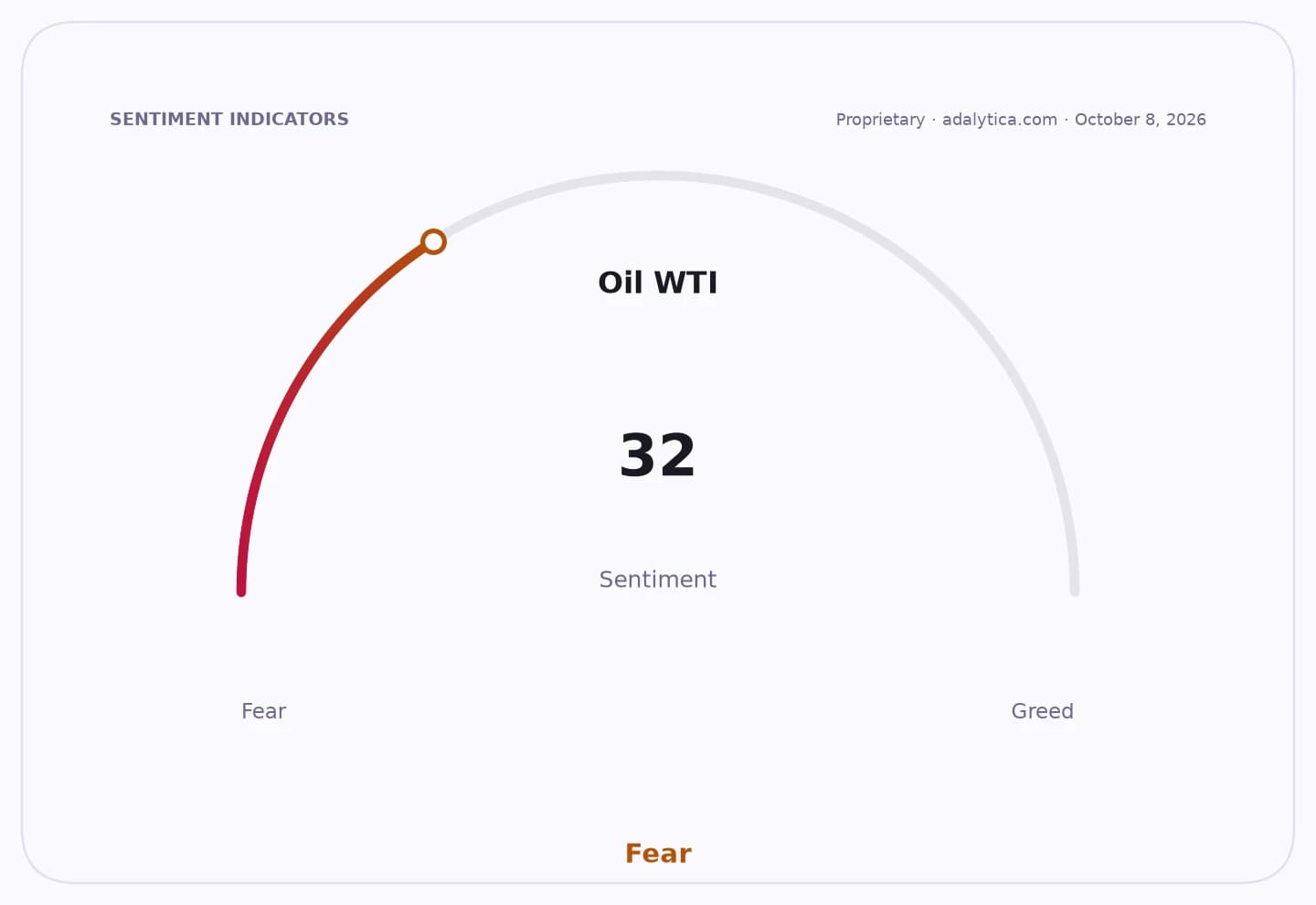
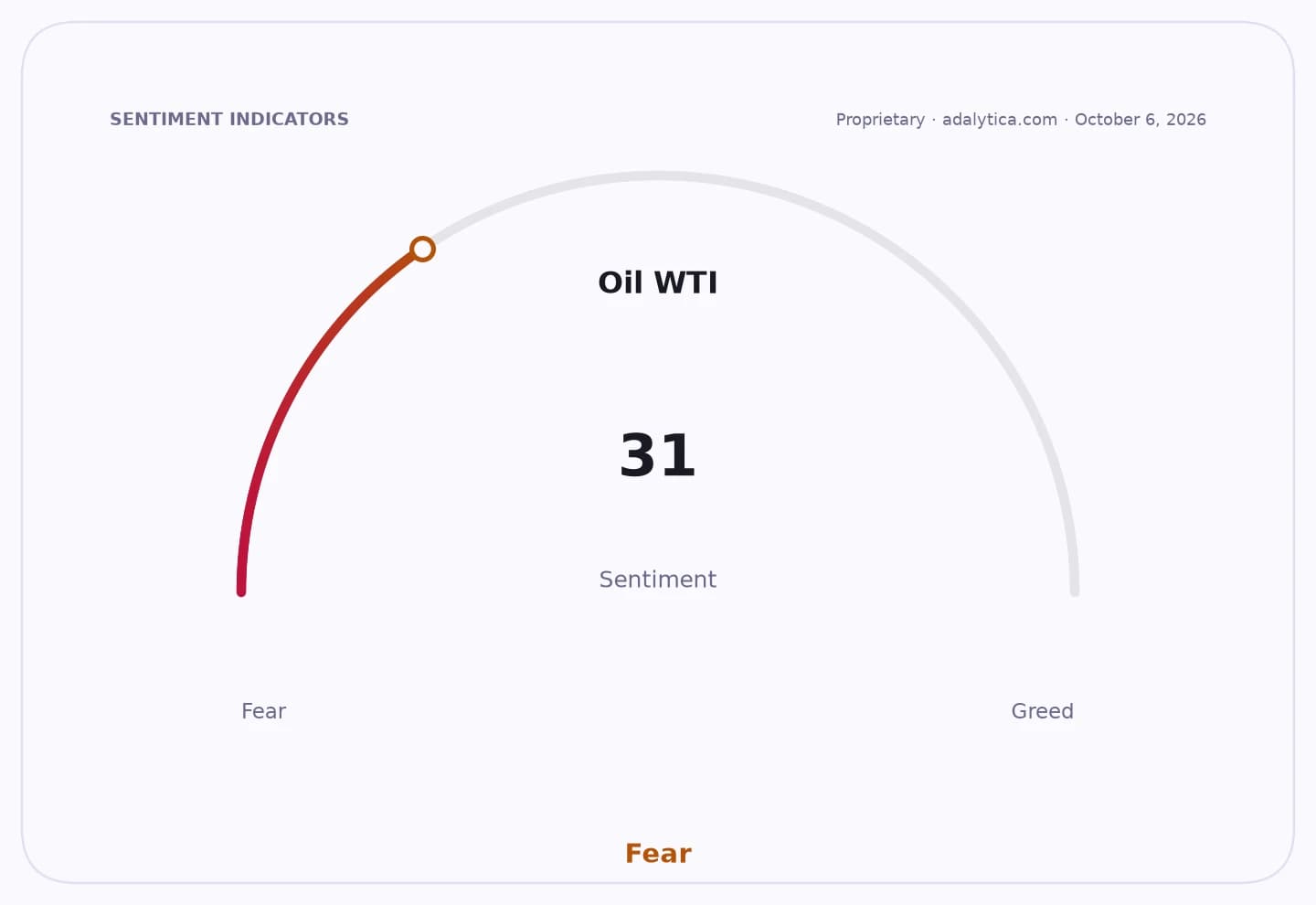
The market backdrop shows how sensitive these themes remain. Brent and WTI-linked sentiment has been elevated in Adalytica’s Oil WTI Trade Signals, which shows “Extreme Greed,” while a separate global stability gauge has swung sharply in recent days, reflecting how quickly headlines from New York can ripple through risk assets.
Araghchi said Iran sees the United Nations as an important forum because it allows countries to present their positions directly to the world. He also said President Masoud Pezeshkian will speak at the General Assembly and meet with officials, intellectuals and media figures, with Araghchi himself holding bilateral talks on the sidelines.
That is the part long-term investors should watch. The UNGA can create openings for indirect dialogue even when relations are hostile. It can also expose just how far apart the parties remain. For now, Tehran is using the platform to frame itself as under pressure and to keep its narrative in front of global audiences, while also signaling that it still wants room for diplomacy.
The biggest economic takeaway is simple: if Iran and the U.S. remain locked in confrontation, the world has to price in a higher geopolitical floor for energy and inflation. If the New York meetings produce even modest de-escalation, the market effect could be felt fastest in oil, gold and the dollar, where risk premiums can fade as quickly as they appear. Investors should treat the UNGA week as a watchlist event, not a trading gimmick, because the consequences can compound over months, not minutes.
| Entity | Gains | Losses |
|---|---|---|
| Iran | ▲Diplomatic platform | ▼Isolation if talks fail |
| U.S. and Israel hawks | ▲Pressure on Tehran | ▼Risk of de-escalation |
| Oil producers | ▲Higher risk premium | ▼Lower prices if tensions ease |
| Consumers and importers | ▲Stable supply if talks advance | ▼Higher costs if conflict deepens |