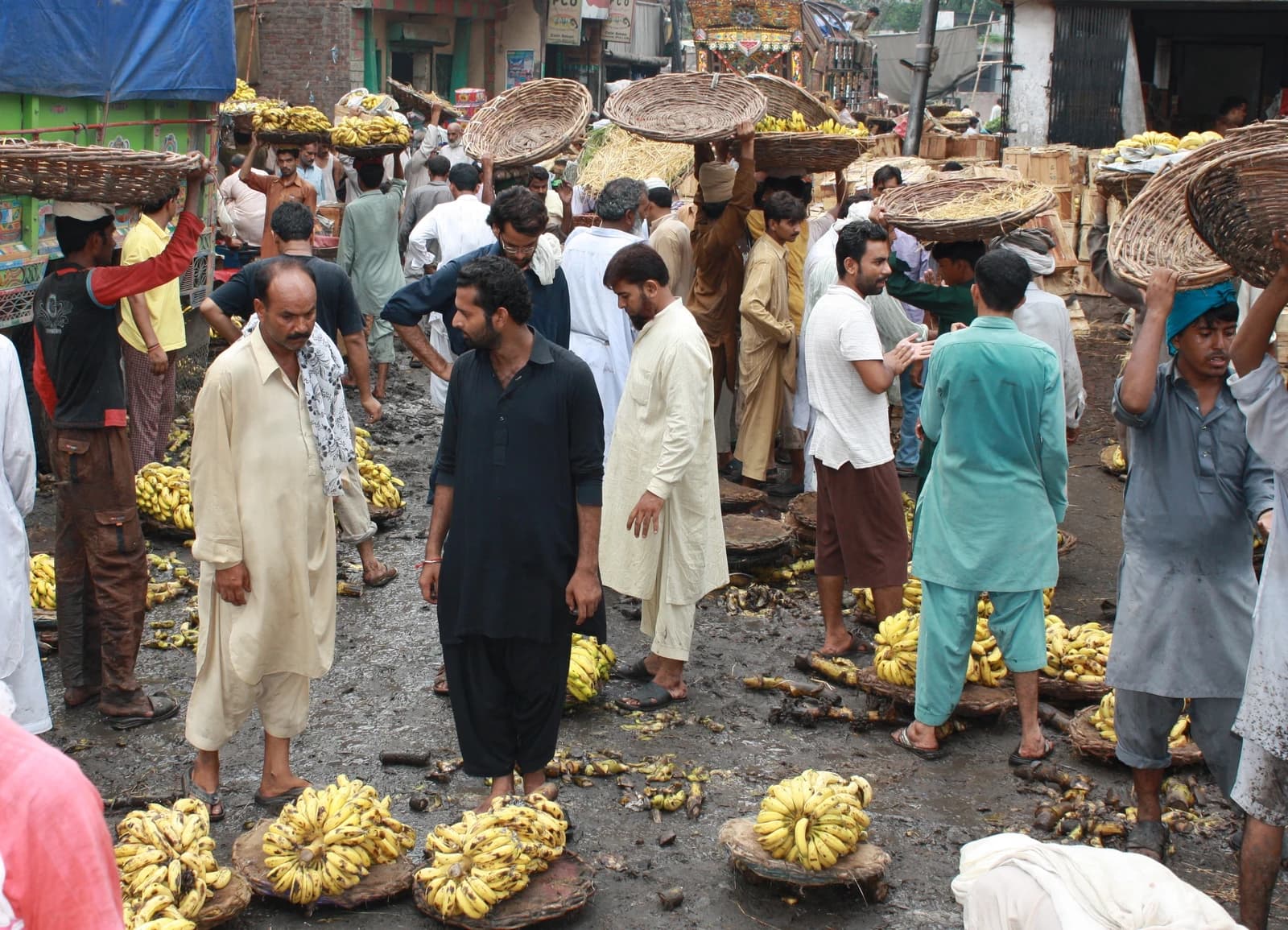
Inflation is gutting Tehran’s walnut trade, leaving merchants with stocked shelves, thinner demand and a business model that no longer works for many bazaar traders.
Iran walnut sellers hit by inflation

In the Molavi section of Tehran’s historic bazaar, walnut seller Javid Ghafarzadeh says daily sales now swing between 100 and 500 kilograms depending on traffic, but the real problem is not inventory — it is the gap between what it costs to bring walnuts to market and what shoppers can still afford to pay. Some walnut varieties have climbed about 50% from a year earlier, yet higher selling prices do not automatically mean better profits because labor, sorting, cracking, transport, storage and packaging have all moved up too.
Sentiment IndicatorsⓘProprietary · adalytica.com · September 4, 2026
This is a snapshot — live sentiment, awareness and momentum for 130+ markets update continuously in the dashboard.Open AlphaPulse
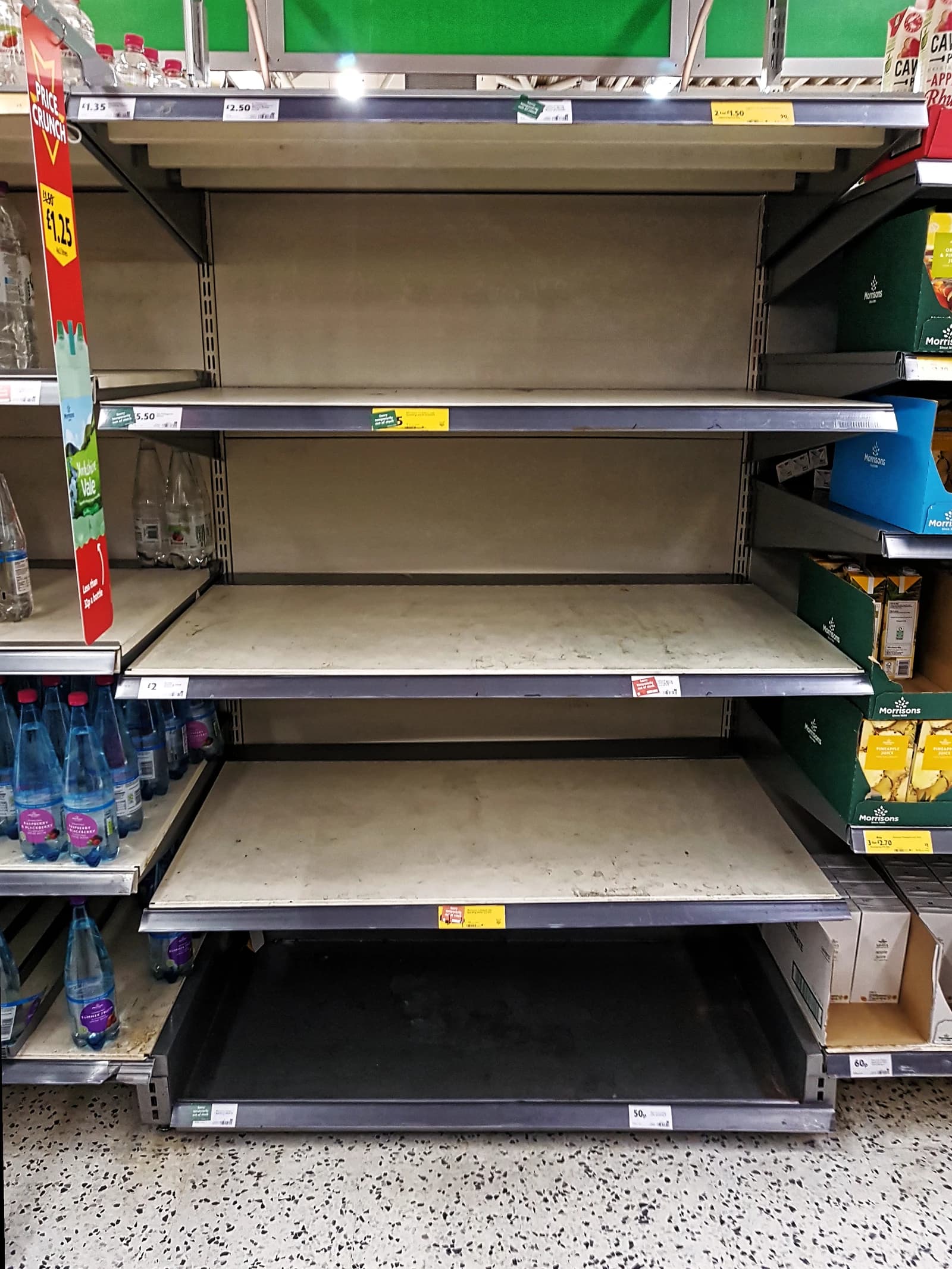
That is the kind of squeeze that turns a staple trade into a survival test. Iran’s statistics center put annual inflation at 69.9% in the latest reading, while food and beverage inflation hit 127.5%. When basic household expenses rise that fast, consumers do what they can to stay in the market: they buy less. A dry-goods retailer in Tehran says customers are still buying walnuts, but in smaller amounts, and that change flows back through the supply chain to wholesalers.
For investors, the message is broader than one nut market in one bazaar. Extreme inflation does not just distort consumer pricing; it weakens spending power, compresses margins and rewards businesses with pricing power, efficient supply chains or exposure to essentials over discretionary goods. In Iran, even a product tied to a substantial domestic crop cannot escape that arithmetic. The agriculture ministry estimates walnut production at about 250,000 tons of dry nuts in shell for the 2025-26 Iranian year, but supply alone does not restore demand when real incomes are being eroded this quickly.
The bazaar story also shows why inflation is so hard to defeat once it becomes entrenched. Traders are forced to pass on costs, customers respond by shrinking basket sizes, and volumes fall even when the product itself remains available. In that environment, the winners are the few businesses able to absorb volatility or move goods efficiently; the losers are merchants pinned between rising costs and hesitant buyers.
For long-term investors, the takeaway is simple: sustained inflation is a tax on commerce, and the businesses best positioned to outgrow it are those with strong margins, essential products and durable competitive advantages. Tehran’s walnut sellers are a reminder that when inflation gets this high, even a healthy harvest may not be enough. Worth watching for anyone thinking about consumer demand, margins and the durability of purchasing power.
| Entity | Gains | Losses |
|---|---|---|
| Consumers | ▲Smaller purchases fit budgets | ▼Buying power erodes |
| Walnut merchants | ▲Higher sticker prices | ▼Thinner margins, weaker volumes |
| Essential-goods sellers | ▲Relative demand resilience | ▼Less for discretionary snacks |
| Iran’s inflation fight | ▲More urgency for policy action | ▼Bazaar trade and household spending |