Iraq is preparing its biggest energy bureaucracy shake-up in years, weighing the merger of its oil and electricity ministries into a single “Ministry of Energy” as investigators widen a crackdown on fuel smuggling that officials say has cost the state about 10 trillion Iraqi dinars a year.
Iraq weighs oil and electricity ministry merger
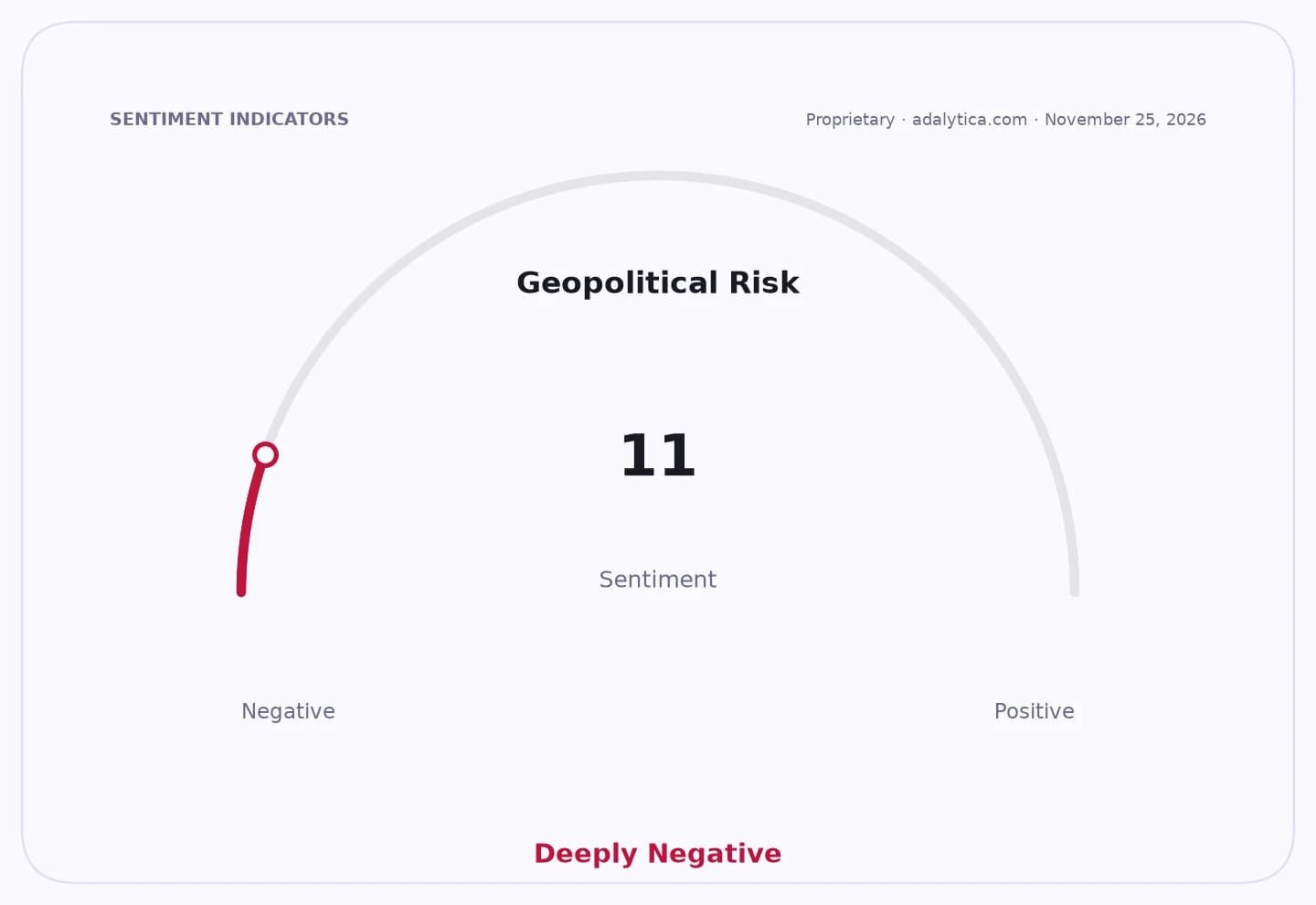
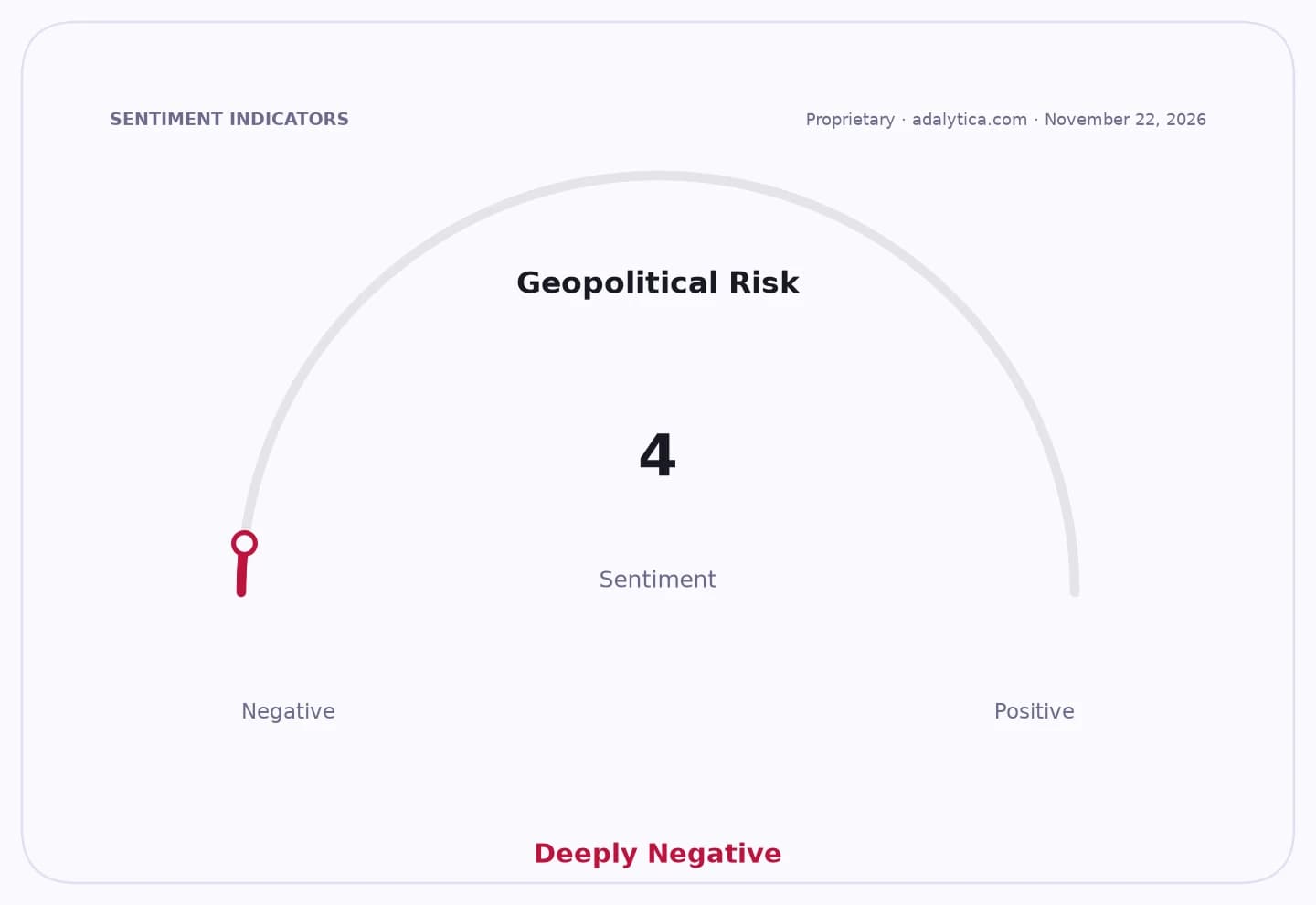
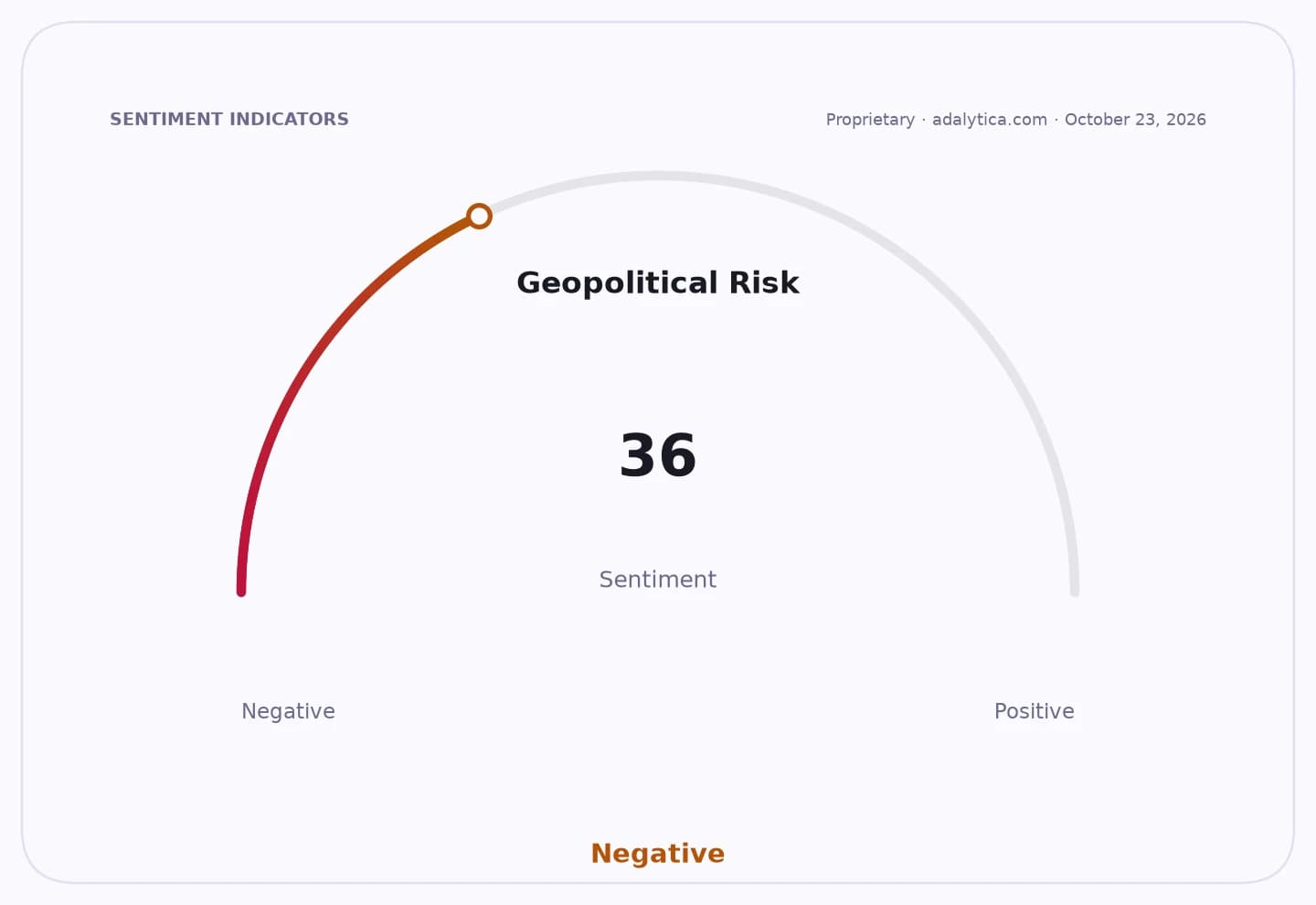
Geopolitical Risk
The move matters because oil remains the backbone of Iraq’s public finances, while chronic electricity shortages and poor fuel coordination have long drained revenue, weakened state control and forced expensive stopgap spending. Bringing the two portfolios under one roof would give Baghdad tighter command over production, gas allocation, power generation and distribution — if it can overcome the political horse-trading that has repeatedly blunted reform.
Sentiment Indicators
The immediate catalyst is the growing scrutiny of illegal exports and thefts across several provinces, including Baghdad, Najaf, Kirkuk, Rabia and areas linked to the Kurdistan region. The government has already moved against senior officials, and sources said Prime Minister Ali Falah al-Zaydi has reached understandings with political blocs to dismiss Oil Minister Bassam Mohammed Khudair al-Abbadi. The minister denied any resignation plans but said he faces pressure over anti-corruption measures.
For investors, the stakes go beyond an internal reshuffle. Iraq is one of OPEC’s most important producers, and any improvement in oversight could help protect export volumes, reduce leakage and strengthen the fiscal position of a state that depends heavily on crude income. A more unified energy structure could also ease bottlenecks around gas supply, a chronic problem that has limited power generation and driven costly imports.
There is also a market angle. Iraqi smuggling has not been a dominant driver of global crude prices, but any credible enforcement that curbs unrecorded flows would support transparency in supply data and reduce the risk of disruption from domestic political tensions. Oil prices were around $84.91 a barrel on Nov. 26, while U.S. benchmark futures have retreated from earlier peaks, leaving the market sensitive to any new supply-risk narrative from the Middle East.
Still, the reform case rests on execution, not branding. Iraqi energy officials and analysts say a merged ministry would only work if it is paired with stronger institutions, less party interference and a durable pipeline of technical leadership. Some have proposed an independent higher energy council reporting directly to the prime minister as a better way to impose coordination without simply redrawing ministerial lines.
The government is expected to revisit the overhaul after parliament approves next month’s federal budget, when it may also consider a wider cabinet reshuffle involving the transport and communications ministries. For now, the key question is whether Baghdad is using the smuggling scandal to build a more coherent energy state — or merely to recast the same political balance under a new name.
| Entity | Gains | Losses |
|---|---|---|
| Iraqi state treasury | ▲More captured revenue | ▼Smuggling leakages |
| Baghdad reform bloc | ▲Stronger central control | ▼Patronage networks |
| Oil and power consumers | ▲Better coordination | ▼Administrative fragmentation |
| Political blocs tied to ministries | ▲Fewer control points | ▼Ministerial leverage |