The most immediate economic risk in Iraq’s north is not diplomacy but power: a drone strike on the Khor Mor gas field has left nearly 70% of Iraqi Kurdistan without normal electricity supply, underscoring how fragile the region’s energy infrastructure has become as regional tensions spill into critical assets.
Iraqi Kurdistan Khor Mor strike cuts power supply
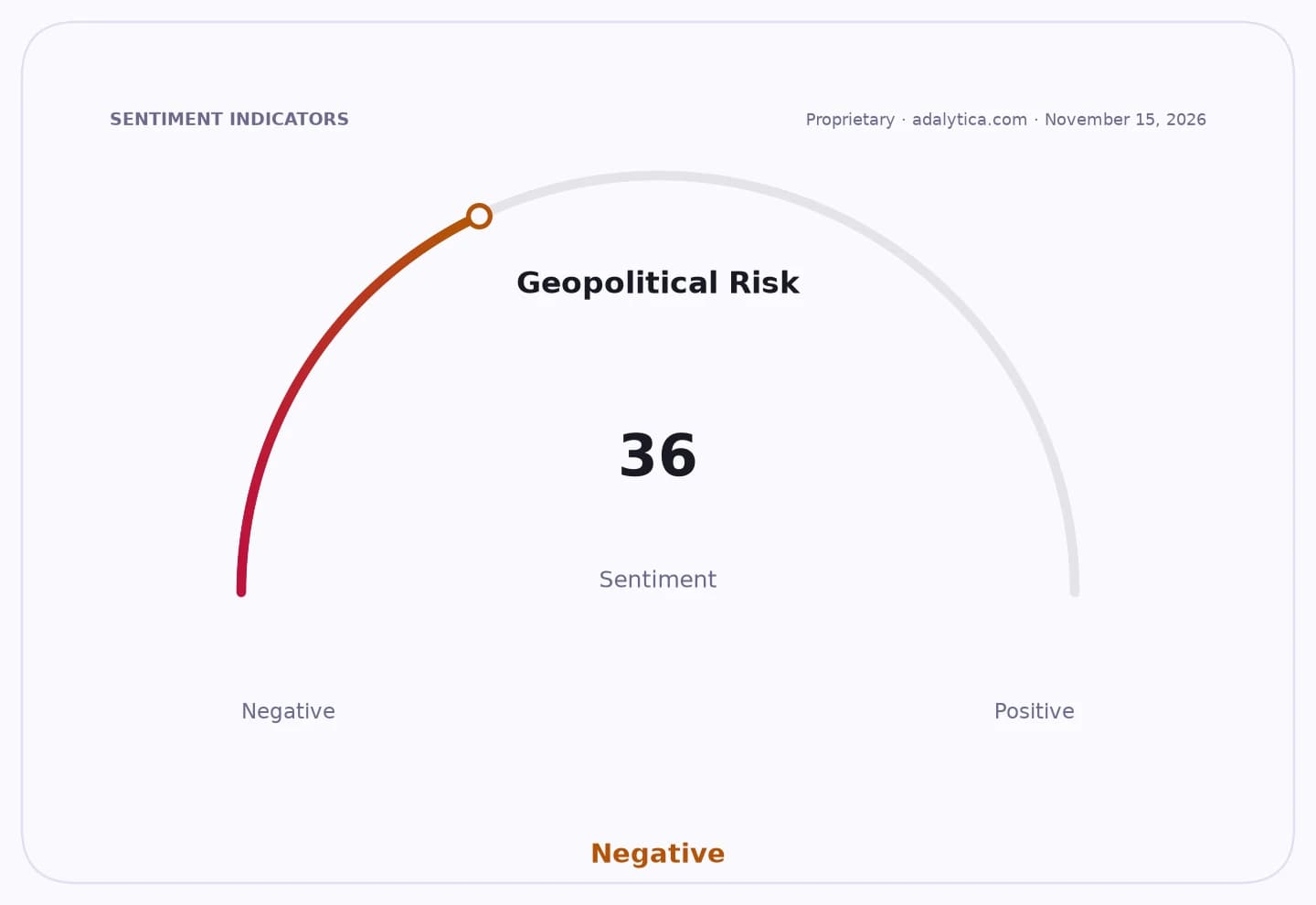
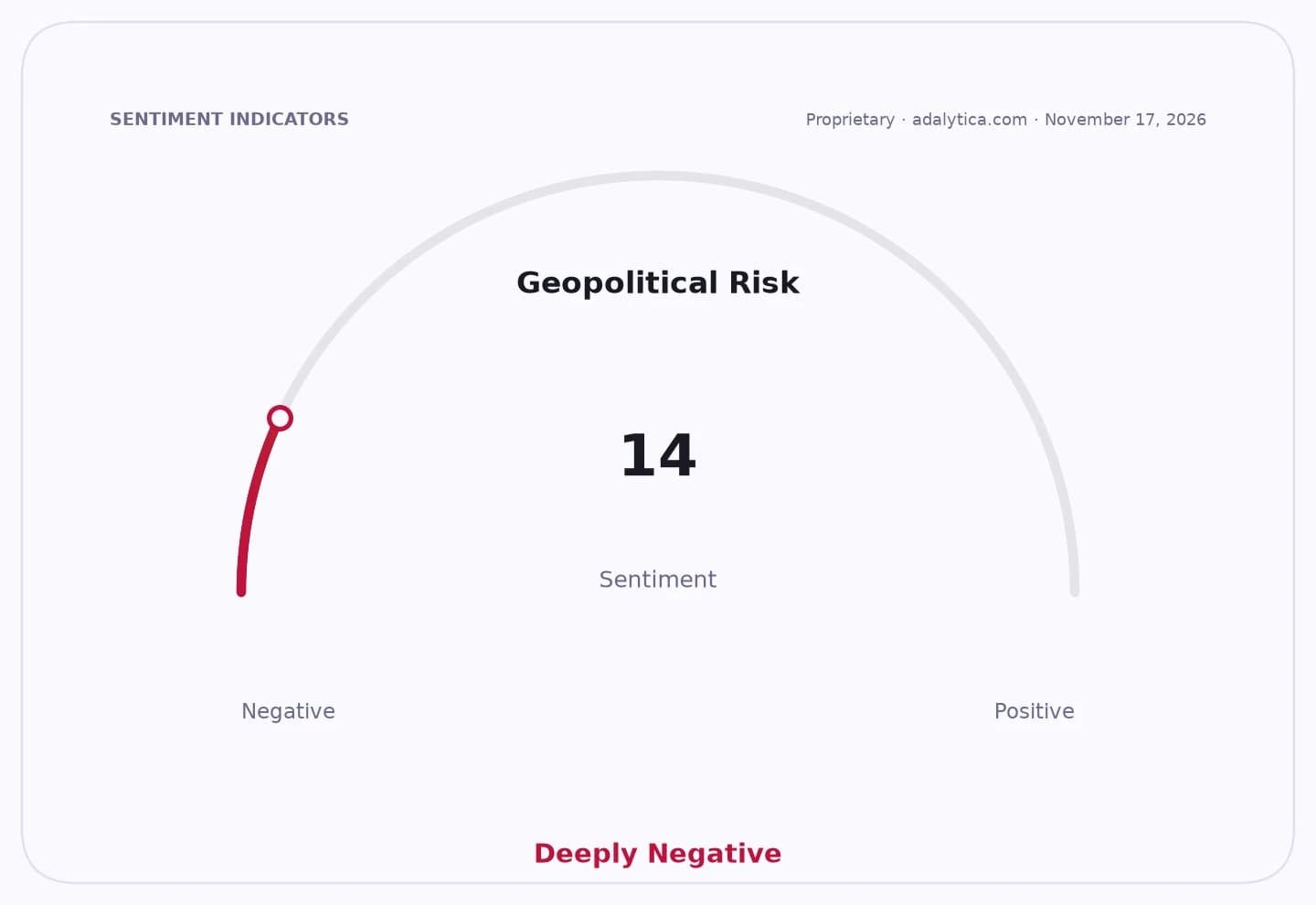
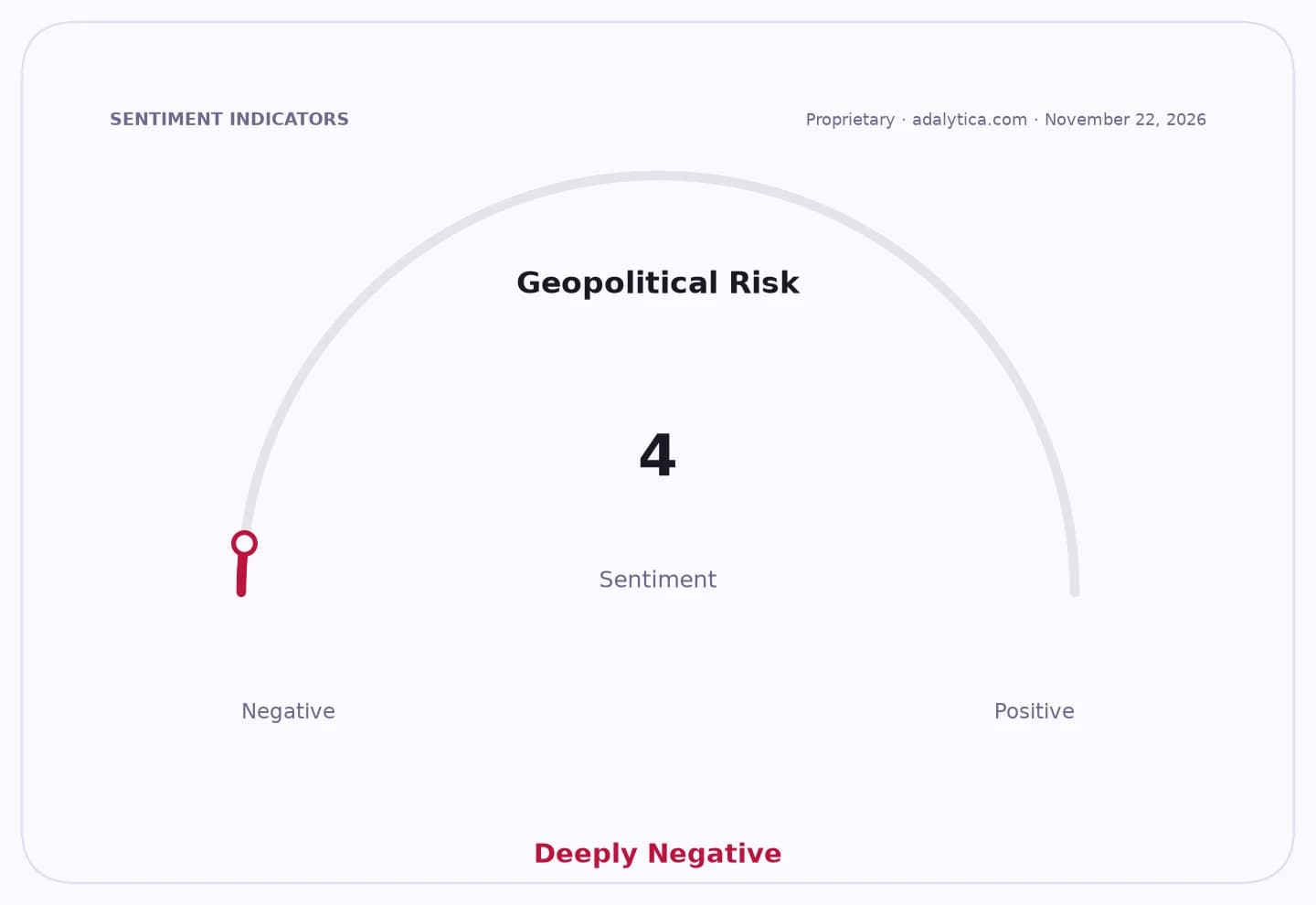
Geopolitical Risk
That vulnerability is why Bafel Talabani’s call for Washington to engage Tehran matters beyond rhetoric. The Patriotic Union of Kurdistan leader is effectively arguing that the balance of power in the Gulf and Iraq has shifted after the US-Israeli conflict, and that the only durable response is a diplomatic one. For investors, that raises the stakes for Iraqi energy security, regional risk premia and any assets tied to northern Iraq’s gas network, where a single strike can now shut down power for most of a semiautonomous region.
Sentiment Indicators
Talabani’s comments in Sulaymaniyah also reflect a broader political reality in Iraqi Kurdistan: the region is exposed, divided and short on hard security guarantees. US troops have fully withdrawn from Erbil, and the region has no air defence systems, leaving key infrastructure such as Khor Mor — operated by a UAE company and among Iraq’s largest gas fields — vulnerable to drones and rockets. That creates a direct economic cost through lost generation, higher repair and security expenses, and potential delays to gas monetisation plans that have been central to Iraq’s efforts to reduce electricity shortages.
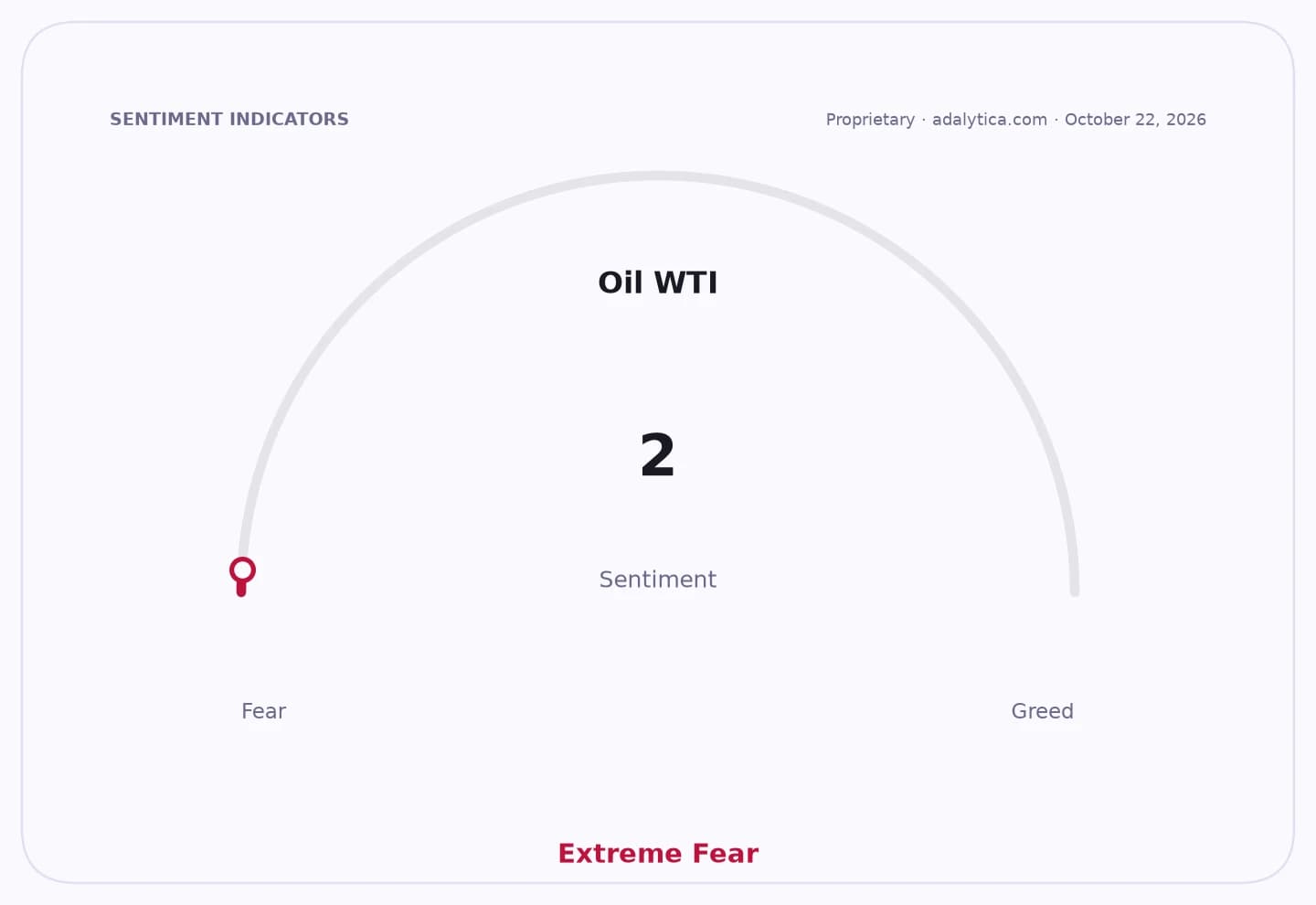
The market implications extend beyond Kurdistan. A sustained deterioration in Iraq’s security environment would be supportive for crude if attacks begin to threaten broader regional supply chains, a dynamic reflected in elevated oil positioning and the sensitivity of energy markets to Middle East headlines. WTI-linked sentiment remains in extreme greed territory in Adalytica’s trade signals, while oil has already shown how quickly prices can reprice on geopolitical shocks. Energy equities, especially producers and service firms with Iraq exposure, would also be expected to trade with a higher risk discount if attacks on infrastructure continue.
Geopolitical Risk vs USOadalytica.com
Explore this data interactively — full history, time series and cross-market comparisons.
Talabani’s broader message is that Tehran is not on the verge of collapse, as some in the Trump orbit have suggested, but is adapting. His account of bustling restaurants, looser social norms and a state that is “stronger, but different” points to a regional actor that remains capable of pressure even after military setbacks. That complicates Washington’s policy choice: further coercion may invite more asymmetric retaliation, while engagement could help reduce the chance of escalation around Iraq’s borderlands.
The immediate test is whether the Khor Mor strike proves to be an isolated incident or part of a widening campaign against energy infrastructure. If Baghdad, Erbil and Tehran cannot clarify who is responsible and impose deterrence, Iraqi Kurdistan’s power shortages, political fragmentation and investment uncertainty are likely to deepen, keeping both local assets and regional oil markets on edge.
| Entity | Gains | Losses |
|---|---|---|
| Iran | ▲Diplomatic leverage | ▼Pressure if blamed for strikes |
| US | ▲Chance for talks | ▼Credibility if security worsens |
| Iraqi Kurdistan | ▲Potential dialogue on security | ▼Power shortages and risk premium |
| Khor Mor operator / gas users | ▲None | ▼Output disruption and repair costs |