Iraq’s push to add 2 million barrels of oil production to help fund its Energy and Development Fund is landing in a market where every extra barrel matters, and where geopolitical risk is once again doing much of the pricing work for producers.
Iraq Output Plan Meets Supply Risk
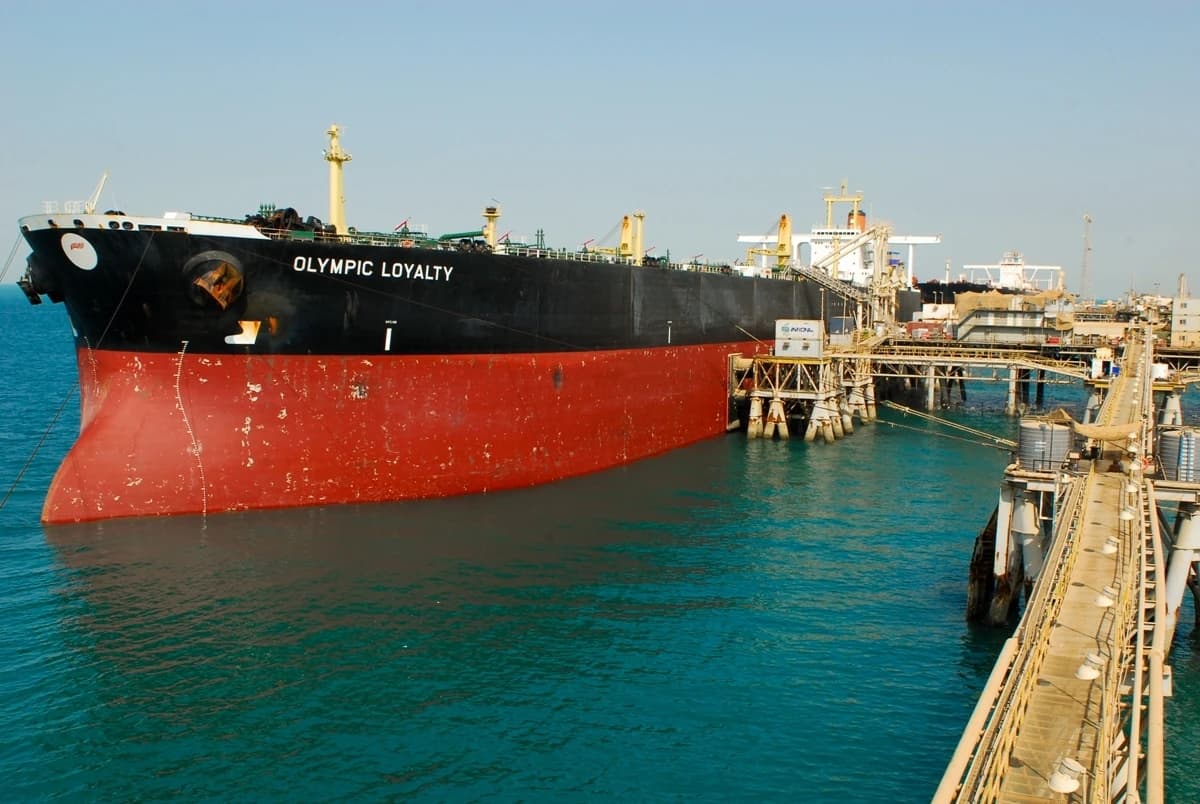
For investors, that combination is the real story. Iraq is trying to turn oil into a longer-term development engine, but it is doing so just as Middle East supply routes are being questioned and crude prices have surged well above the levels that prevailed earlier this year. That makes the country’s expansion plans more commercially attractive, but also more exposed to the same security and logistics shocks that can quickly interrupt export flows.
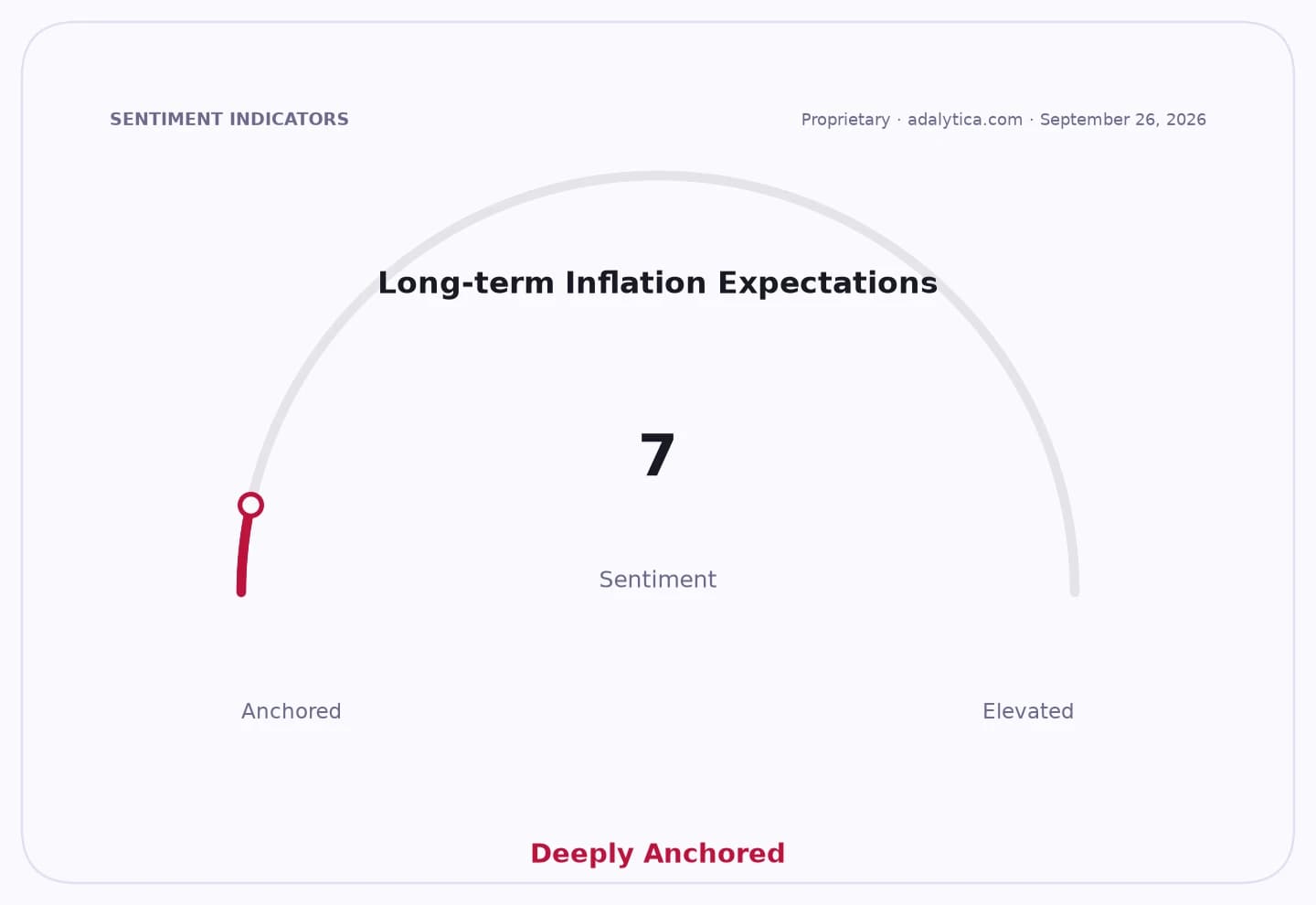
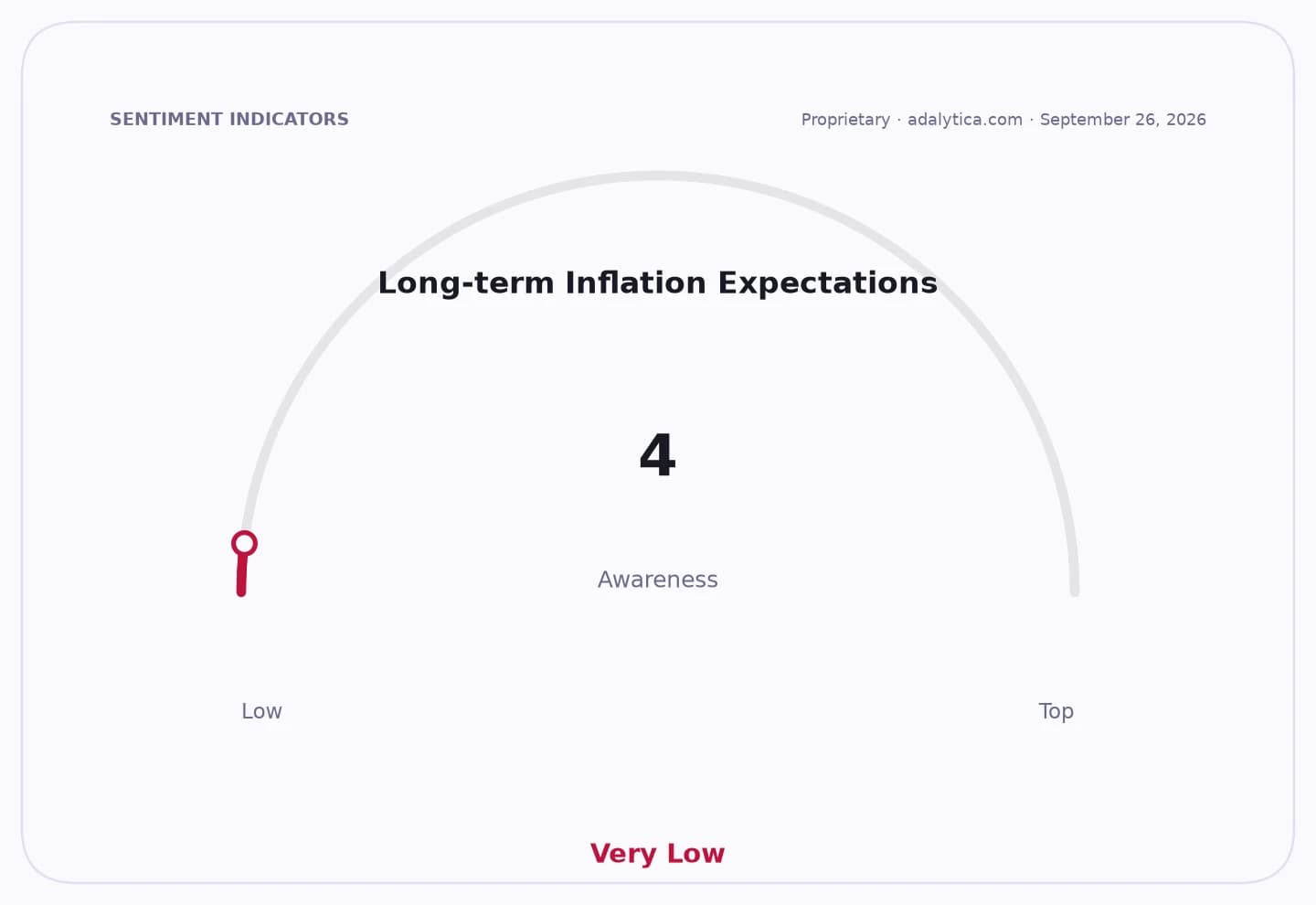
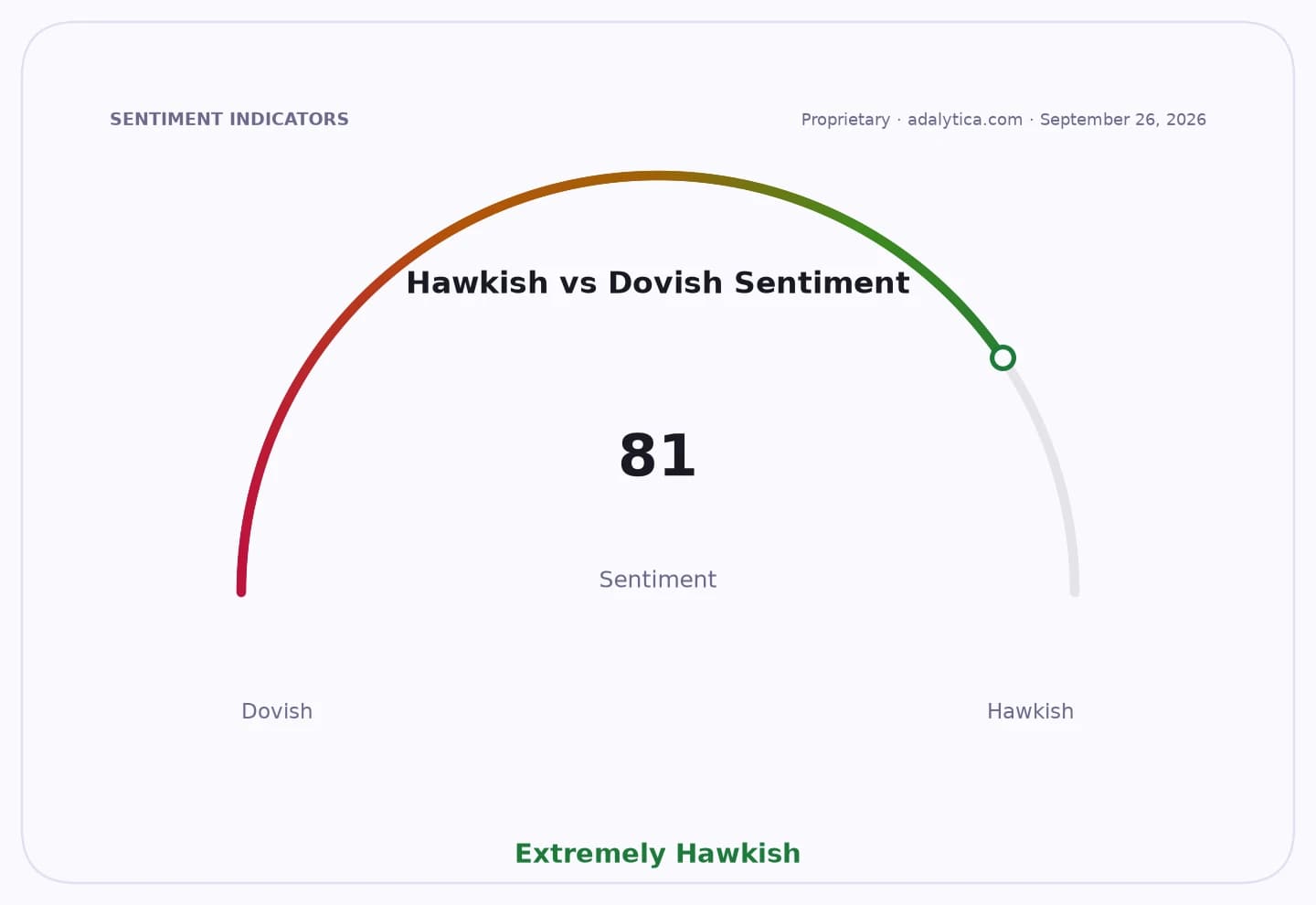
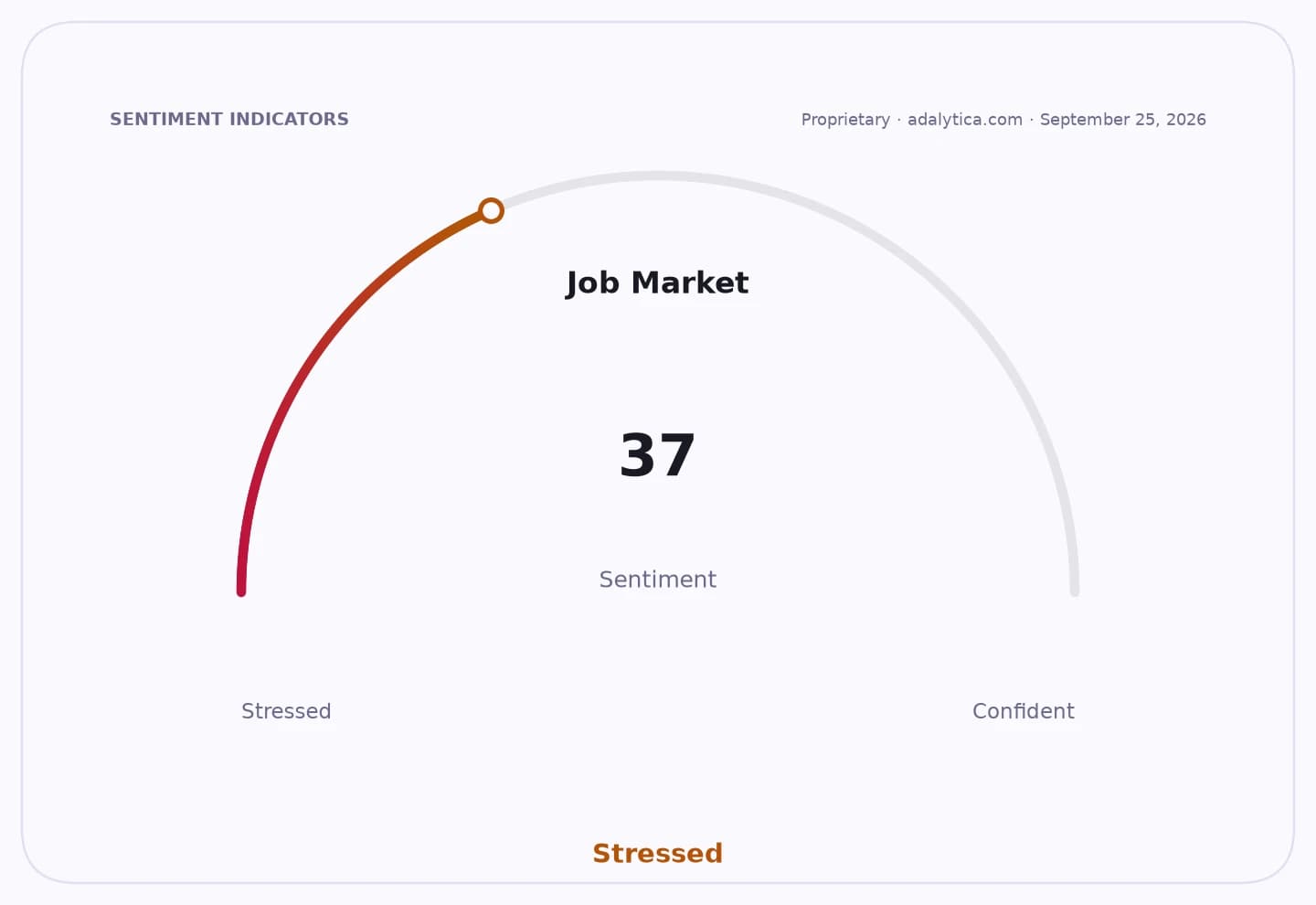
Sentiment IndicatorsⓘProprietary · adalytica.com · July 22, 2026
This is a snapshot — live sentiment, awareness and momentum for 130+ markets update continuously in the dashboard.Open AlphaPulse
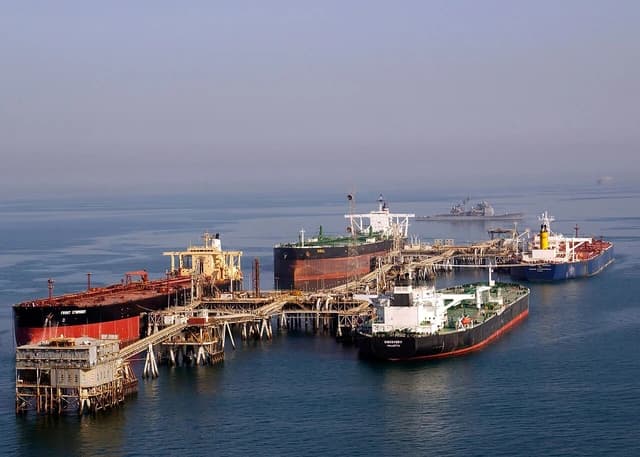
The timing helps explain why the idea is politically and economically important. Brent-linked flows have been under pressure from concerns around the Strait of Hormuz, one of the world’s most important oil chokepoints, after Indian Oil Corp canceled a planned lifting of 2 million barrels of Iraqi crude over security risks. When buyers start skipping cargoes because transit looks risky, sellers have to offer either a discount, alternative routes or more proof that supply can keep moving. Iraq’s answer is to raise output and use the cash to support domestic investment, but that strategy only works if barrels can reliably reach customers.
Crude prices are doing their part. West Texas Intermediate has climbed back to around $128 a barrel, while the Brent benchmark tracked by the BNO ETF is near $50 on the fund’s pricing scale and both oil-linked assets have recovered sharply from their June lows. Standard technical indicators also show the move has momentum: USO is trading above its 50-day moving average and near the upper end of its Bollinger Band range, with an RSI above 78, which usually suggests the market is stretched but still firmly bullish. XLE, the energy sector ETF, is also trading above its 50-day and 200-day moving averages, a sign that investors continue to favor upstream energy exposure.
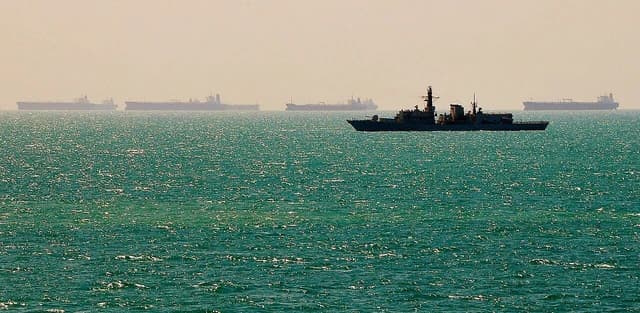
That matters because Iraq is not just chasing production for production’s sake. More barrels mean more export revenue, and more revenue means more room to fund infrastructure, power, and broader development without leaning as heavily on borrowing or unstable fiscal support. In a country that has long struggled to convert oil wealth into durable growth, the Energy and Development Fund is meant to bridge that gap. Higher crude prices make the math easier, but they do not solve the structural problems: pipeline reliability, regional security and the need to attract capital into a sector where operational disruptions can wipe out gains quickly.
The investment takeaway is straightforward. Iraq’s plan reinforces a broader thesis that oil producers with scale and reserve life can benefit meaningfully from prolonged supply tension, especially when market psychology remains risk-sensitive. But it also reminds investors that the oil story is still as much about chokepoints and geopolitics as it is about geology. For long-term portfolios, that argues for patience and diversification, not a bet on any one headline. Iraq’s extra barrels could be a meaningful fiscal and strategic win if they come online and stay moving, and the companies and funds tied to the energy complex may continue to benefit. The risk is that disruption in the Gulf can just as easily turn a growth story into a logistics problem.
| Entity | Gains | Losses |
|---|---|---|
| Iraq | ▲higher oil revenue | ▼export disruption risk |
| Energy and Development Fund | ▲bigger funding base | ▼dependence on crude prices |
| Oil producers | ▲stronger pricing power | ▼higher security costs |
| Indian refiners/buyers | ▲lower exposure to risky cargoes | ▼fewer Iraqi barrels available |