Iron prices steadied on Thursday as a production halt at Ukraine’s Ferrexpo collided with surging Australian shipments to China, leaving the market balanced between a fresh supply risk and still-robust seaborne flows.
Iron ore steadies as Ferrexpo halts output
The immediate significance is not the day-to-day move in the price itself, but the way geopolitics is redrawing supply expectations. Ferrexpo has suspended iron ore production after Russian attacks on Ukrainian ports, a disruption that could cut Ukraine’s iron ore output by as much as 40%. For a market that has spent much of the past year trying to gauge whether mine supply can keep pace with demand, that is a meaningful shock, especially for mills and traders that depend on Black Sea cargoes as an alternative to Australian and Brazilian ore.
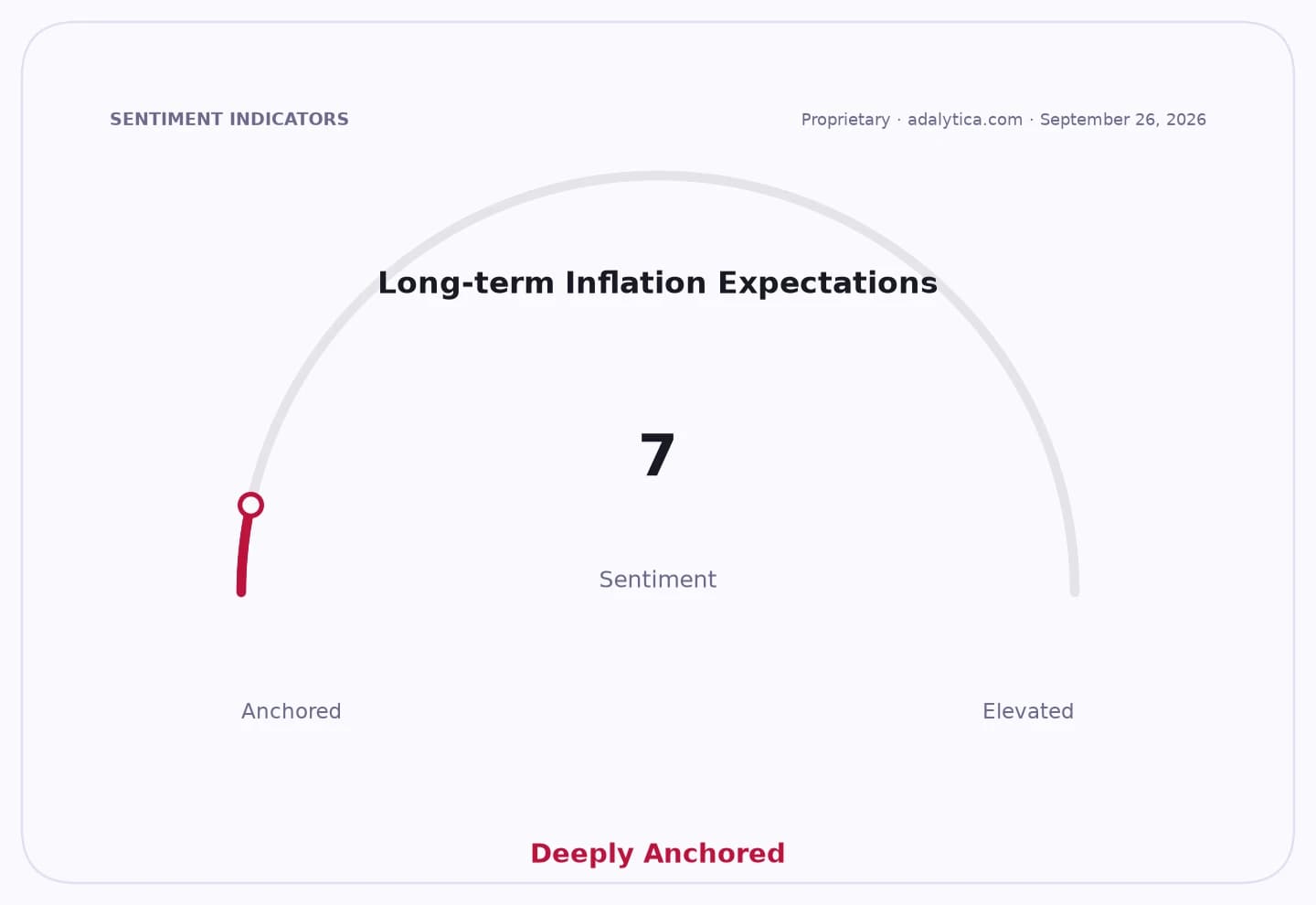
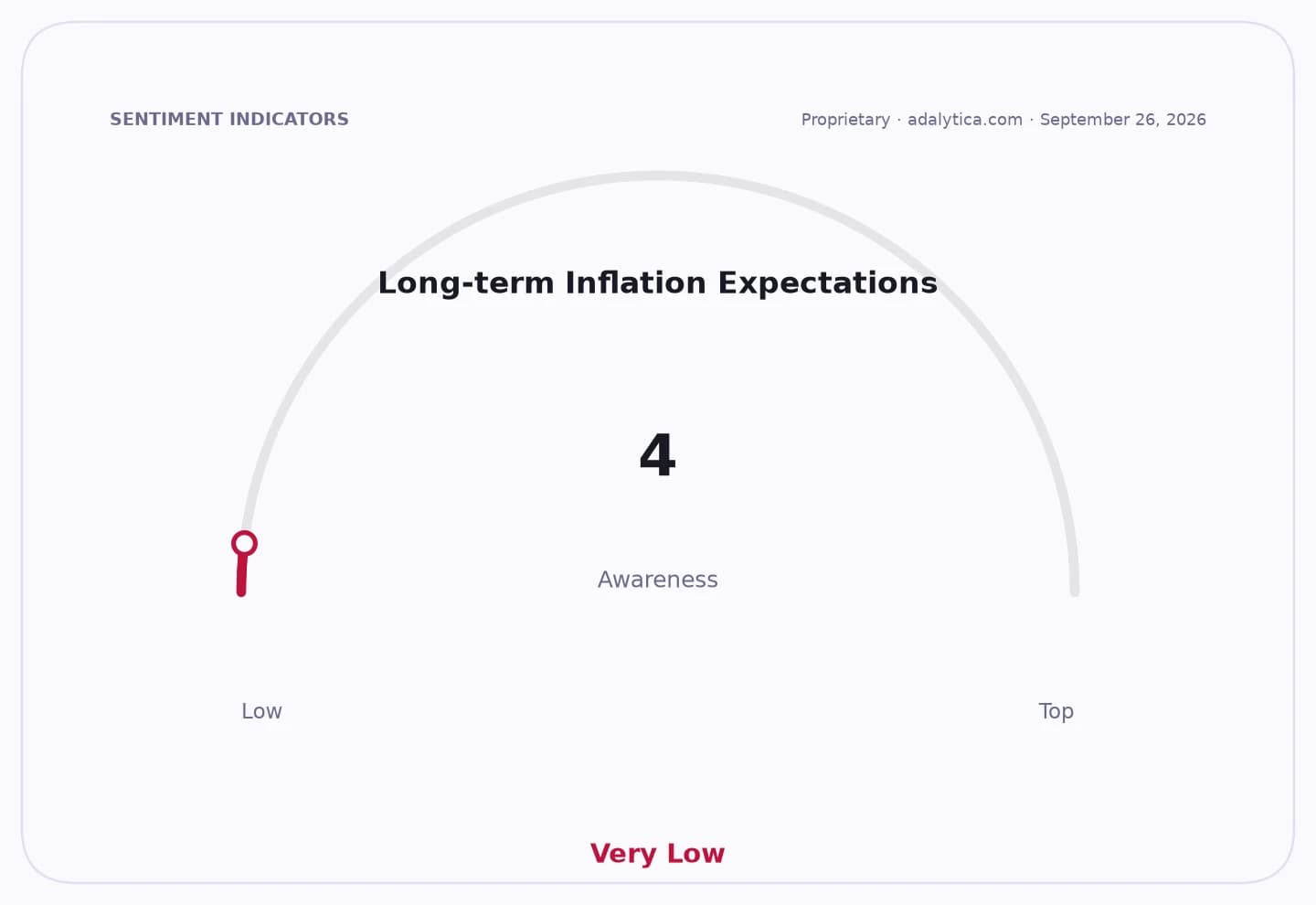
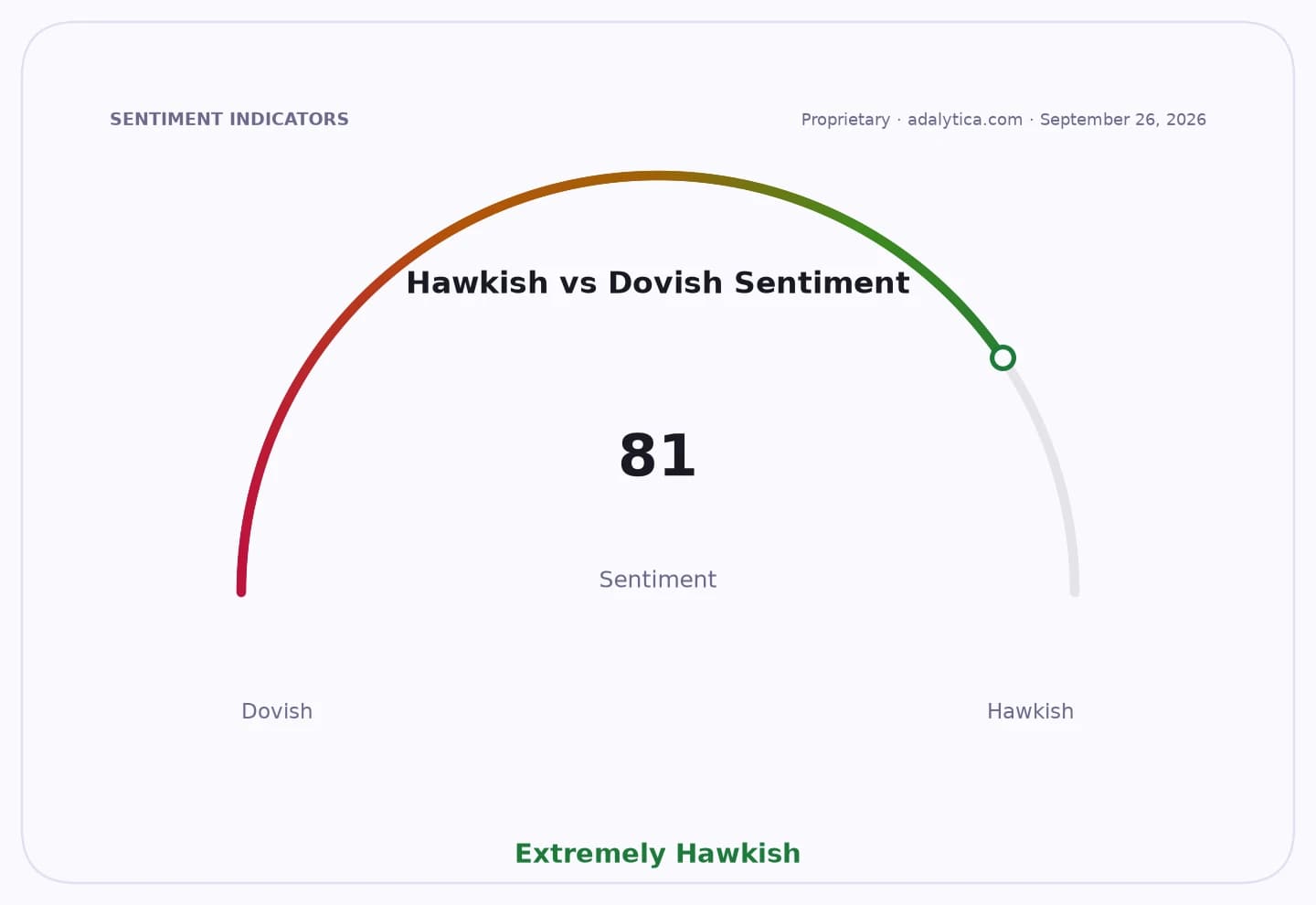
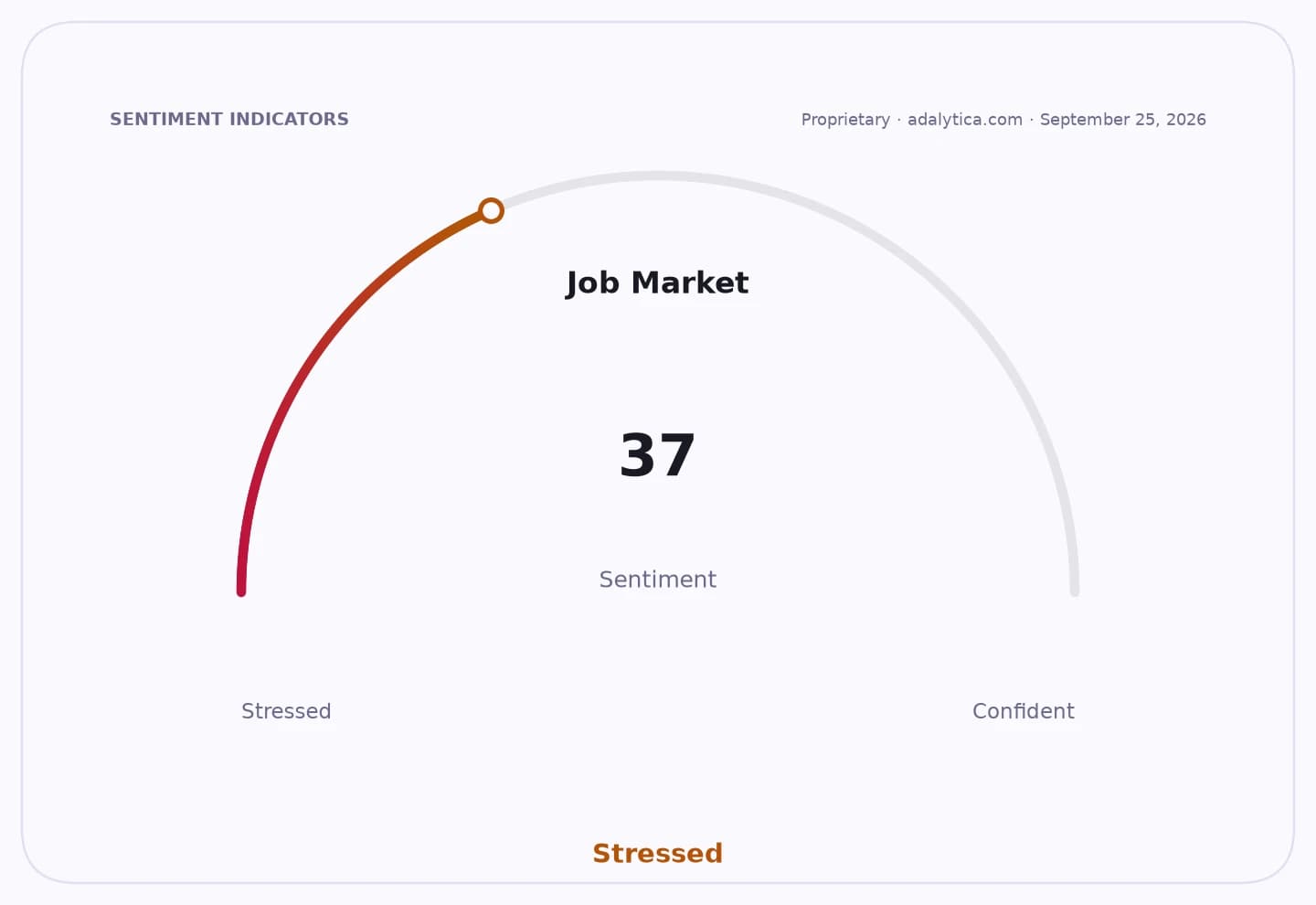
Sentiment IndicatorsⓘProprietary · adalytica.com · August 6, 2026
This is a snapshot — live sentiment, awareness and momentum for 130+ markets update continuously in the dashboard.Open AlphaPulse
Yet the broader market has not reacted with panic because supply elsewhere remains abundant. Australia’s iron ore sales to China hit $13.8 billion in June, helping lift total Australian exports to China to a record monthly $19 billion. That matters because China remains the dominant swing buyer in the iron ore market, and Australian miners still provide the benchmark bulk of supply. The record export flow suggests that, for now, the market can absorb the loss of some Ukrainian tonnage without a sharp repricing.
Investors are watching the split between operational disruption and export strength because it points to where margins, cash flows and price risk could move next. For producers such as Vale, Rio Tinto and BHP, firmer iron ore prices would support revenue, but the latest price stabilization also suggests that any upside may be capped unless the Ukraine outage deepens or China demand accelerates further. That helps explain the recent resilience in miner shares even as technical indicators show a more mixed picture: Rio Tinto and BHP have held above their 50-day and 200-day moving averages, while Vale has recovered from a sharp pullback, though its recent move still leaves it well below its January highs.
The macro backdrop is also supportive of a steadier market rather than an explosive one. Industrial production has continued to edge higher into June, implying that raw-material demand has not deteriorated enough to trigger a broad commodity selloff. But the picture is still fragile: the PMI recession sentiment gauge has fallen into extreme fear, underscoring the risk that manufacturing demand cools again just as geopolitical supply threats intensify.
For the market, the key question is whether Ukraine’s losses prove temporary or become a larger, sustained withdrawal of supply. If port disruptions persist, traders may need to rebuild a risk premium into iron ore. If Australian exports keep setting records and China’s buying remains firm, price gains may stay contained. Either way, the latest stabilization reflects a market that is no longer driven by demand alone, but by the interaction of war risk, export logistics and China’s appetite for steel-making raw material.
| Entity | Gains | Losses |
|---|---|---|
| Australia miners | ▲Higher export leverage | ▼Less pricing upside if supply stays ample |
| Ferrexpo / Ukraine | ▲None | ▼Lost production and export volumes |
| China mills | ▲Stable import availability | ▼Higher risk if Black Sea supply stays offline |
| Iron ore bulls | ▲Supply-shock premium | ▼Price breakout delayed by strong Australian flows |