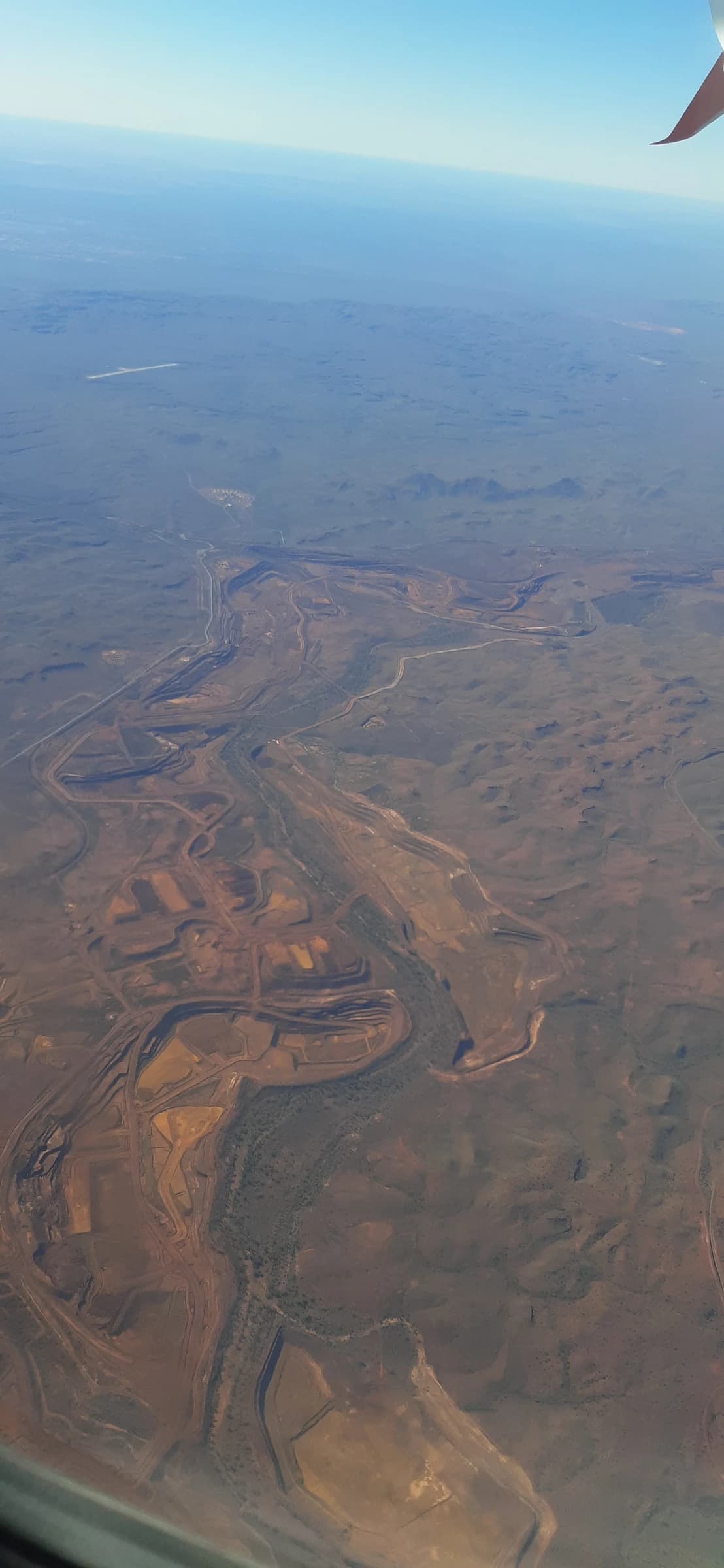
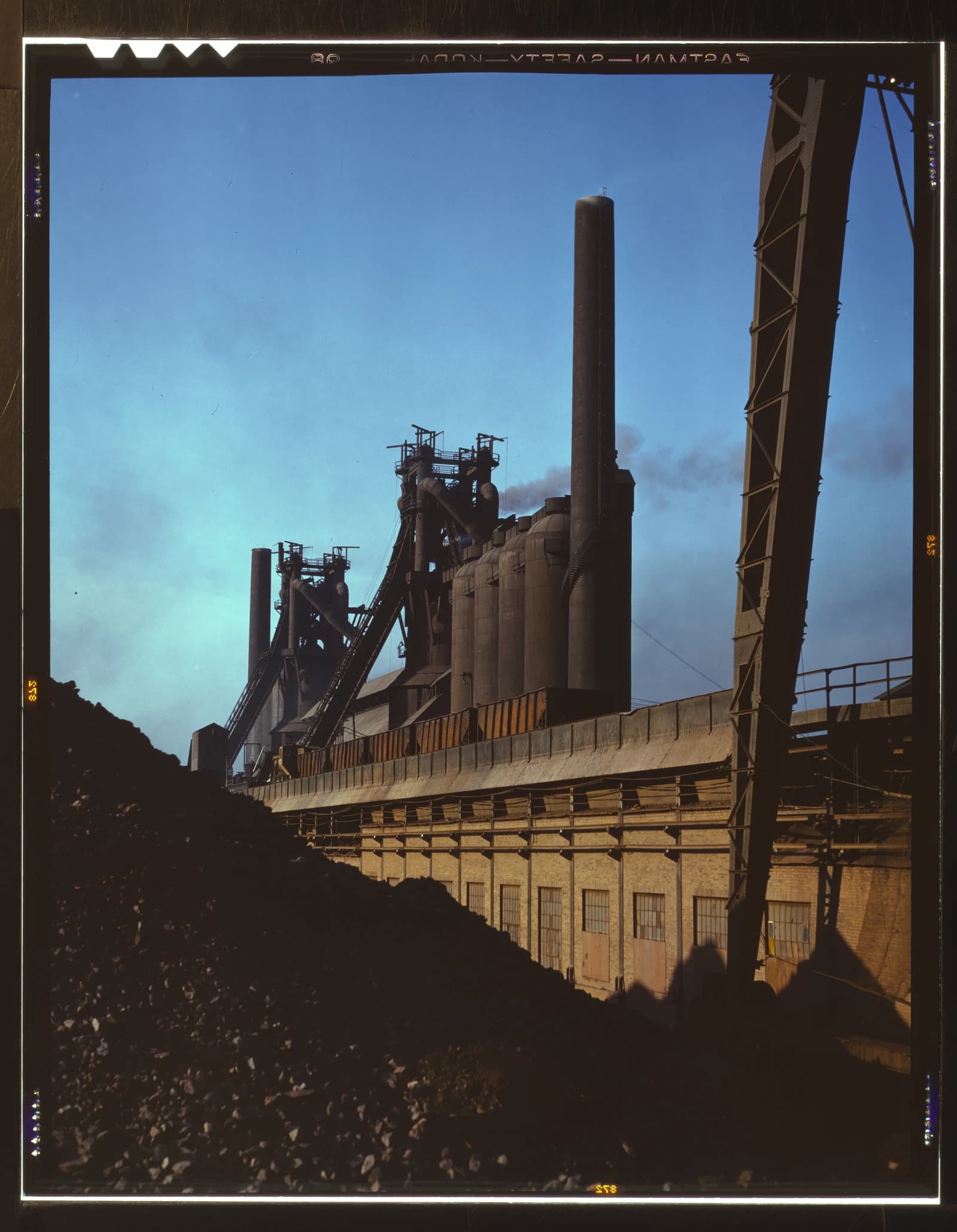
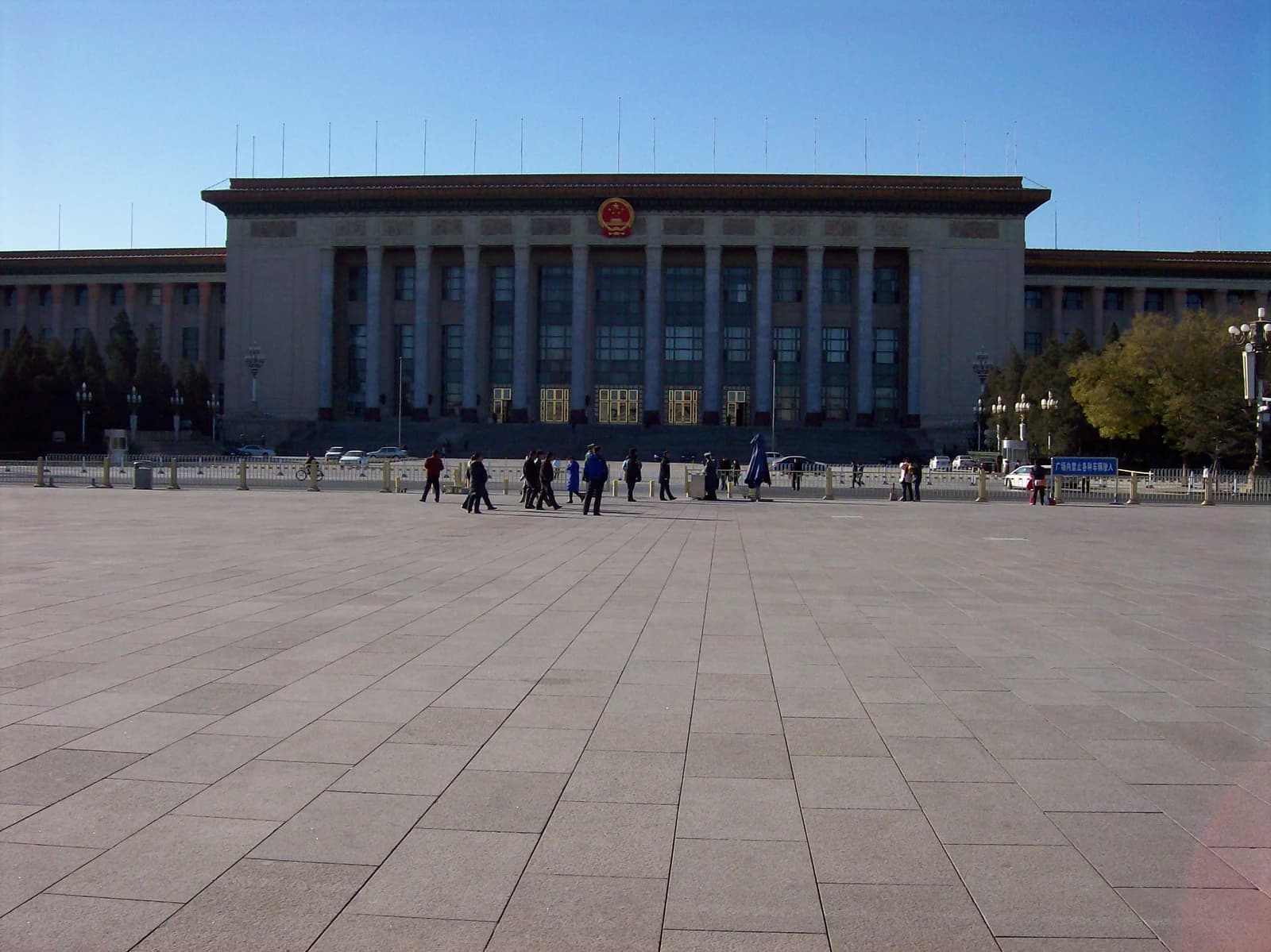
Iron ore prices were little changed on Nov. 19 as traders and steel mills held back ahead of policy signals from a summit, leaving the market stuck between weak fundamentals and hopes for winter restocking.
Iron ore prices flat as China policy signals awaited
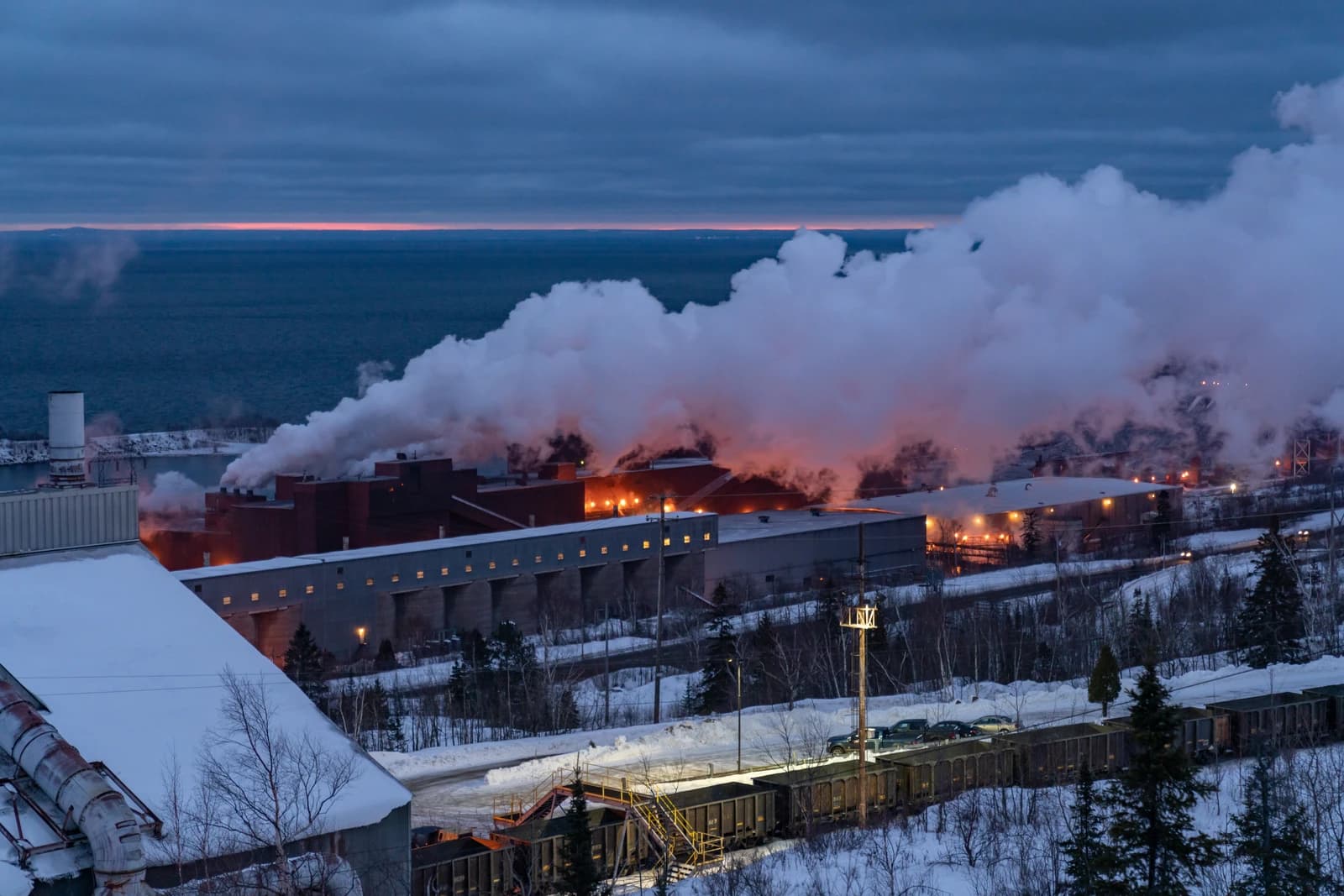
The 5 MMi daily iron ore index prices point to a market that is not breaking higher because the physical backdrop remains soft. Futures in China’s Dalian market did rise early before giving back gains, with the most-traded I2701 contract closing at 648 yuan a metric ton, up just 0.47%. Spot prices at Qingdao were broadly flat, while trading was only average and mills bought mostly on an as-needed basis.
Sentiment Indicators
That matters because iron ore remains one of the cleanest read-throughs on China’s industrial pulse, and right now the message is caution. Declining hot metal output and high port inventories are still capping prices, which means any rally is running into immediate supply overhang. In other words, the market is not pricing a durable demand recovery yet — only a pause while it waits for Beijing.
For investors, that leaves miners and steel-linked equities exposed to a sideways commodity tape rather than a breakout. Rio Tinto, BHP and Vale all remain tied to the same iron ore cycle, and the latest price action suggests the market is still reluctant to pay up for volume growth or margin expansion. Their shares have already shown how quickly sentiment can reverse when iron ore fails to extend gains, and the technical picture remains weak across the group, with recent closes below their 50-day moving averages and momentum indicators softening further.
Economic Growth Targets vs RIOadalytica.com
Explore this data interactively — full history, time series and cross-market comparisons.
Economic Growth Targets
The broader setup is straightforward: policy hopes are doing the heavy lifting, but the physical market has not confirmed them. If winter restocking by steel mills materializes and policymakers deliver more concrete support, iron ore can tighten quickly. If not, the index is likely to stay range-bound, which favors traders over investors and keeps pressure on the most China-sensitive miners. For now, the opportunity is not in chasing a commodity rebound — it is in waiting for the policy catalyst that actually changes the supply-demand balance.
| Entity | Gains | Losses |
|---|---|---|
| Steel mills | ▲Lower input costs | ▼Margin pressure from weak demand |
| Iron ore miners | ▲Potential restocking demand | ▼Flat prices and weak sentiment |
| China policymakers | ▲Market stability if stimulus emerges | ▼Credibility if signals disappoint |
| RIO/BHP/VALE shareholders | ▲Upside if policy boosts ore | ▼Ongoing commodity earnings risk |