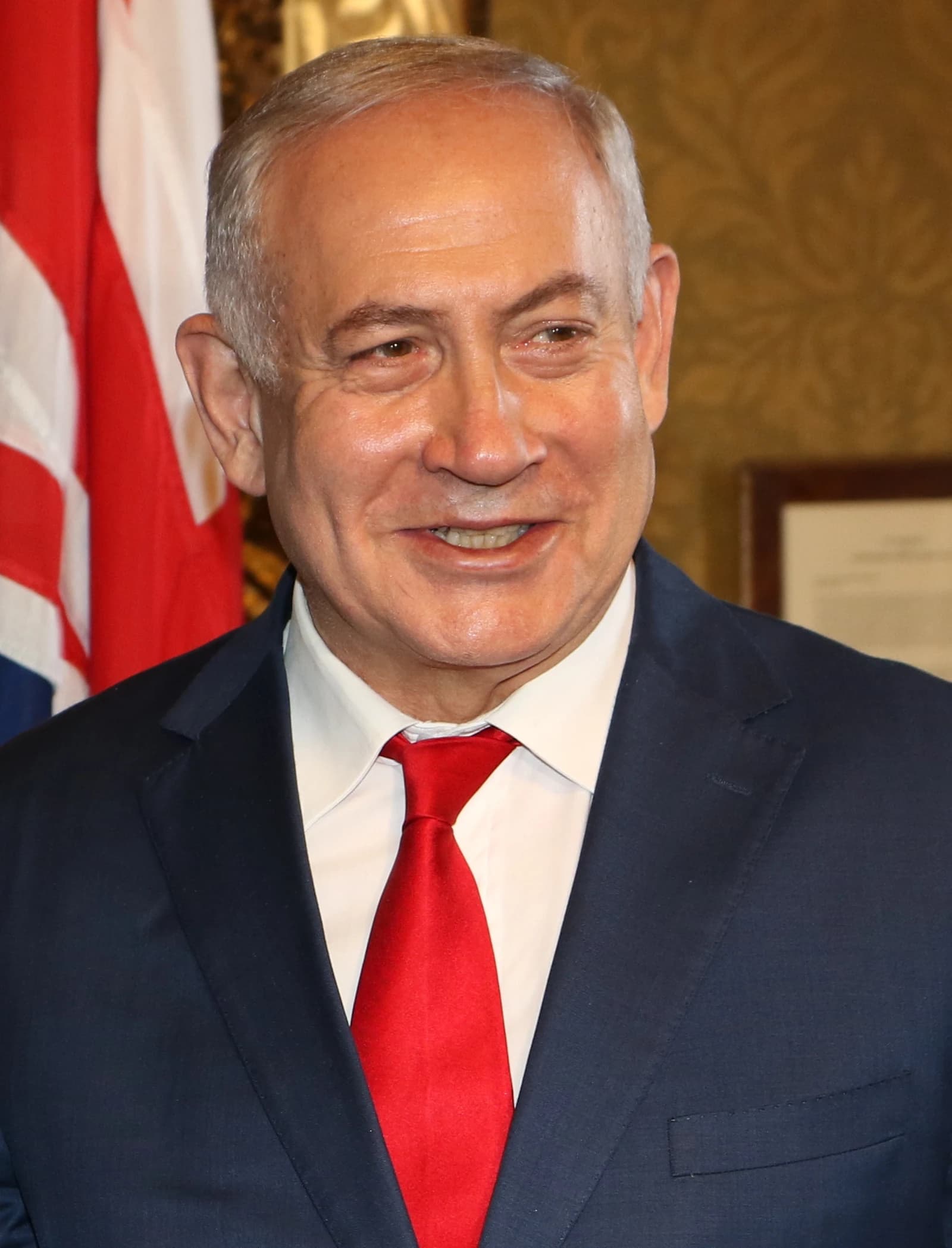
Benjamin Netanyahu’s far-right coalition is at risk of losing its governing majority in next week’s election, a result that would extend Israel’s political paralysis just as the country faces war, diplomatic isolation and rising economic strain.
Israel Poll Shows Netanyahu Bloc Short of Majority

That is the key market and geopolitical takeaway from a new poll by Agam Labs and Hebrew University: Netanyahu’s bloc is projected to fall to 52-54 seats in the 120-member Knesset, short of the 61 needed to govern alone. For investors, that matters because it points to another round of coalition bargaining, policy delay and the possibility of yet another election — a recipe for uncertainty in an economy already under pressure from conflict-related spending, weak sentiment and strained relations with Europe.
Sentiment Indicators
Israel’s voting system almost guarantees coalition politics, but the significance here is that Netanyahu’s current far-right arrangement appears to be breaking apart rather than merely reshuffling. Likud is forecast to drop to 19 seats from 32, while Shas is seen slipping to six seats from 11. Even with other right-wing lists, the bloc would likely remain short of a majority unless it pulls in a centrist “third bloc” led by parties such as The Reservists and the Economic Party.
The opposition is not necessarily in a cleaner position. The poll gives Gadi Eisenkot’s Yashar party the most seats, at 20, but the liberal camp still appears unable to assemble a majority on its own. That is the real economic message for markets: the most likely outcome is not a decisive policy reset, but a prolonged period of horse-trading that could leave defense, fiscal and domestic agenda decisions stuck in neutral.
For investors, instability in Jerusalem tends to show up first in the risk premium. Israel faces a heavier security bill, lingering pressure on growth and an international backdrop complicated by the Gaza war and frayed ties with European capitals. A coalition that depends on smaller factions or a fragile unity arrangement could alter the pace of budget approvals, defense priorities and reforms. That is why political fragmentation matters beyond headlines — it affects capital allocation, sovereign perception and the policy path for everything from spending to regulation.
The polling ban that takes effect before election day only adds to the uncertainty. With public numbers frozen, the market must now price a binary but messy outcome: Netanyahu either cobbles together another unstable coalition, or Israel heads back into another election campaign without a clear governing majority. In a country where the next government may be decided by a handful of seats and turnout among Arab parties, the smartest positioning is to expect volatility, not resolution.
| Entity | Gains | Losses |
|---|---|---|
| Opposition blocs | ▲Higher chance to negotiate power | ▼Still lack a clear majority |
| Netanyahu’s far-right coalition | ▲Potential leverage in talks | ▼Majority risk |
| Centrist “third bloc” parties | ▲Outsize kingmaker role | ▼Little policy certainty |
| Investors in Israeli risk assets | ▲Entry points from volatility | ▼Policy visibility and stability |