A new study on Italian consumer prices argues the market and policymakers are still fighting inflation with too blunt a weapon, and that matters because the next price shock may spread faster than the last.
Italian CPI network study flags key inflation drivers
2% Target Confidence
The research, anchored in monthly Eurostat data from 61 CPI categories between 1996 and 2024, suggests inflation is not a single number moving in lockstep across the economy but a network of prices that can become tightly synchronized when shocks hit energy or food. In 2022, more than 60% of possible category pairs showed correlations above the study’s threshold, while in 2015 and 2016, when inflation was near zero, network density was almost nil. That matters economically because it implies inflation can shift from isolated increases to a systemwide process, making broad rate hikes an expensive and sometimes inefficient response.
Sentiment Indicators
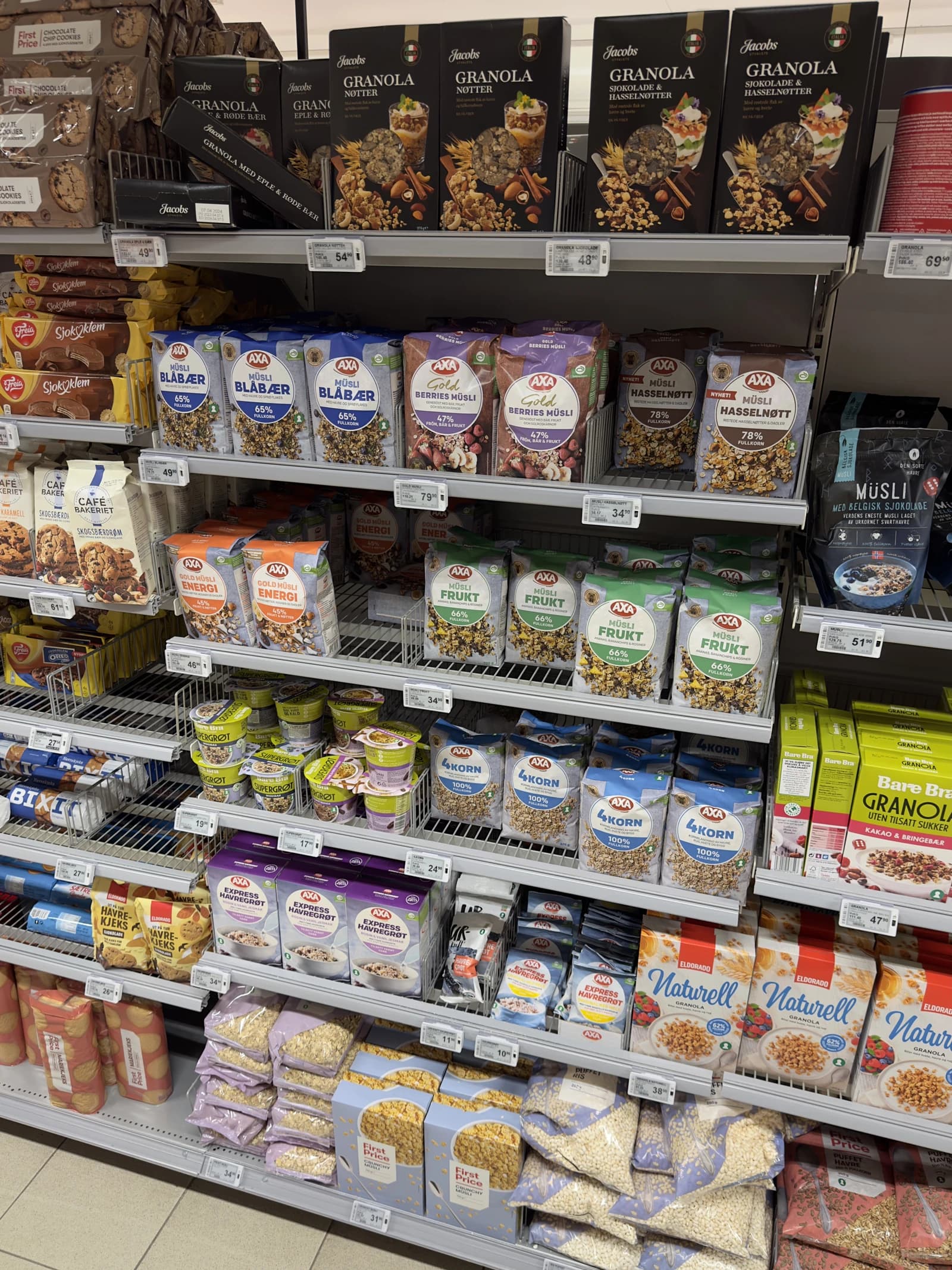
That is the key investment and policy takeaway: when inflation is networked, the earliest and most central nodes matter most. The researchers say just five prices are often enough to connect the rest of the system, with bread, pasta, meat and dairy frequently central alongside electricity, gas and fuels during energy shocks. Those categories are not just visible to households; they also feed through transport, processing and distribution costs across the economy. If energy and basic food prices start moving together, the pressure can quickly spill into expectations, wages and margins.
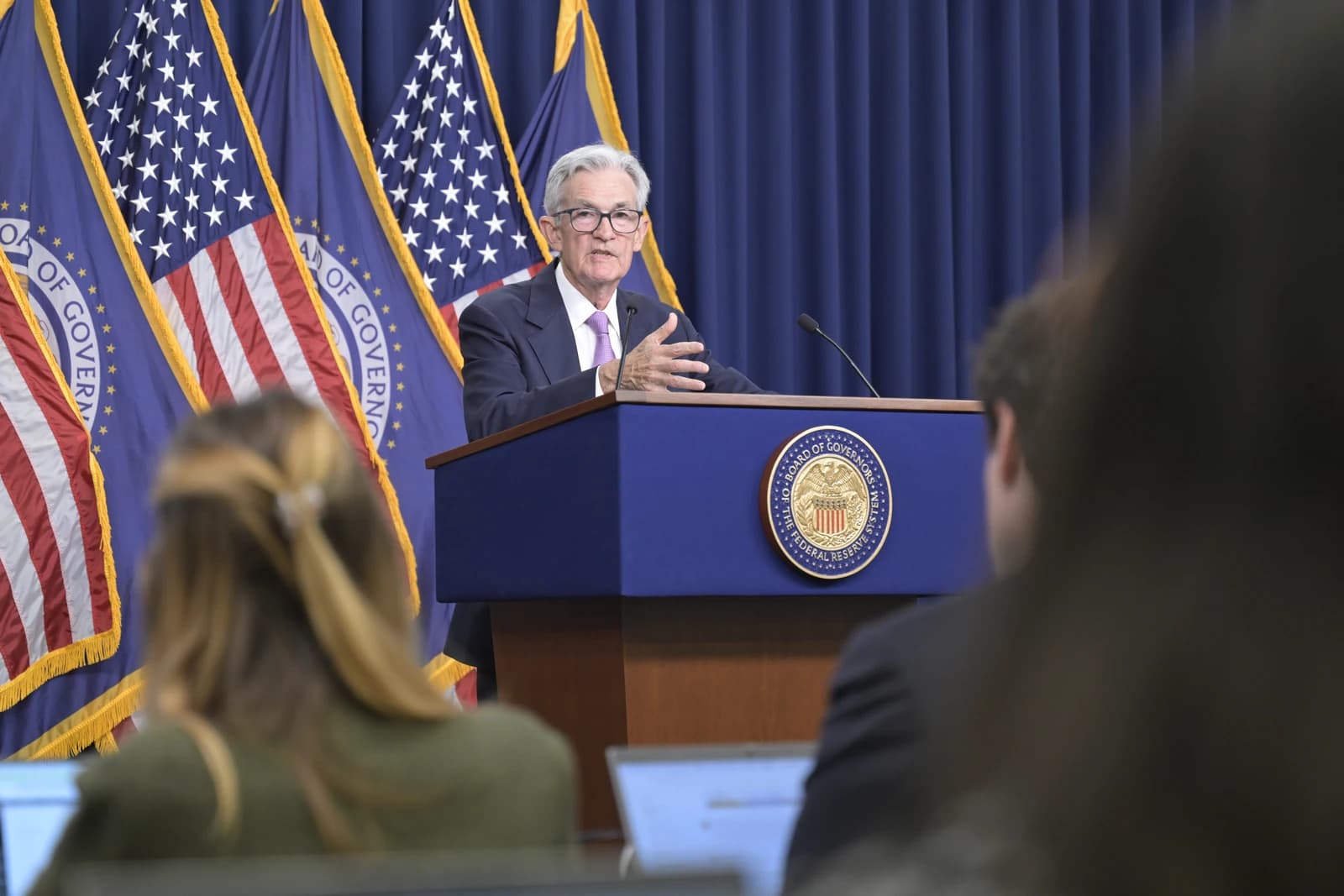
The macro backdrop reinforces the point. US CPI data in the context shows the headline index still running far above its long-run baseline, while core prices remain elevated enough to keep the Federal Reserve in a restrictive posture. Adalytica’s snapshot of confidence in the Fed’s 2% inflation target is in “Extreme Fear,” underscoring how fragile inflation credibility remains. That is exactly why a network-based framework matters: it offers a way to separate transitory noise from the nodes most likely to contaminate the broader price system.
CPI — 30-day sentimentadalytica.com
Explore this data interactively — full history, time series and cross-market comparisons.
For investors, the implication is that the inflation trade is no longer just about one number on a print day. It is about which sectors transmit cost shocks and which businesses can absorb them. Energy infrastructure, utilities, food producers, logistics and transportation companies remain the first-order beneficiaries when policymakers focus on the nodes that drive persistence. Long-duration bonds such as TLT are still highly sensitive to whether inflation broadens or narrows, and the recent swings in the ETF show how quickly the market can reprice when the policy path becomes less certain. Equities tied to stable pricing power may hold up better than rate-sensitive cyclicals if policymakers are forced into another broad anti-inflation response.
The bigger narrative is that inflation control is becoming more surgical. The old playbook still matters, but this research suggests policymakers can do better by monitoring the few prices that anchor the rest of the system and intervening earlier when they flare. That should interest anyone positioning for the next macro regime shift, because the winners will be the businesses that either sit at the center of the inflation network or profit from the investment needed to de-risk it.
| Entity | Gains | Losses |
|---|---|---|
| Energy producers and utilities | ▲Pricing power in shocks | ▼Policy scrutiny |
| Food and staples companies | ▲Central role in CPI | ▼Margin pressure from inputs |
| Long-duration bonds like TLT | ▲If inflation narrows | ▼If price shocks spread |
| Households and rate-sensitive borrowers | ▲Better-targeted policy | ▼Broad rate hikes and higher borrowing costs |