Inflation is accelerating again in Italy, and the latest readings show Lombardy households are still being squeezed by energy costs even where local price growth trails the national average.
Italy Inflation Rises 5.4% on Energy Costs
Preliminary Istat data showed Italian consumer prices rose 5.4% year on year in October, up from 4.2% in September, with energy once again the main driver. That matters because power and heating bills hit spending that families cannot defer, making the inflation rebound especially painful just as winter demand rises.
Sentiment Indicators
In Lombardy, the picture is mixed but hardly benign. Milan posted annual inflation of 3.7% in September, Brescia 3.9% and Cremona 3.1%, all below the national pace but still high enough to erode purchasing power. The distinction is important: inflation measures the speed of price increases, not the level of living costs, and in one of Italy’s wealthiest regions, that means already-expensive essentials are becoming less affordable for households with stretched budgets.
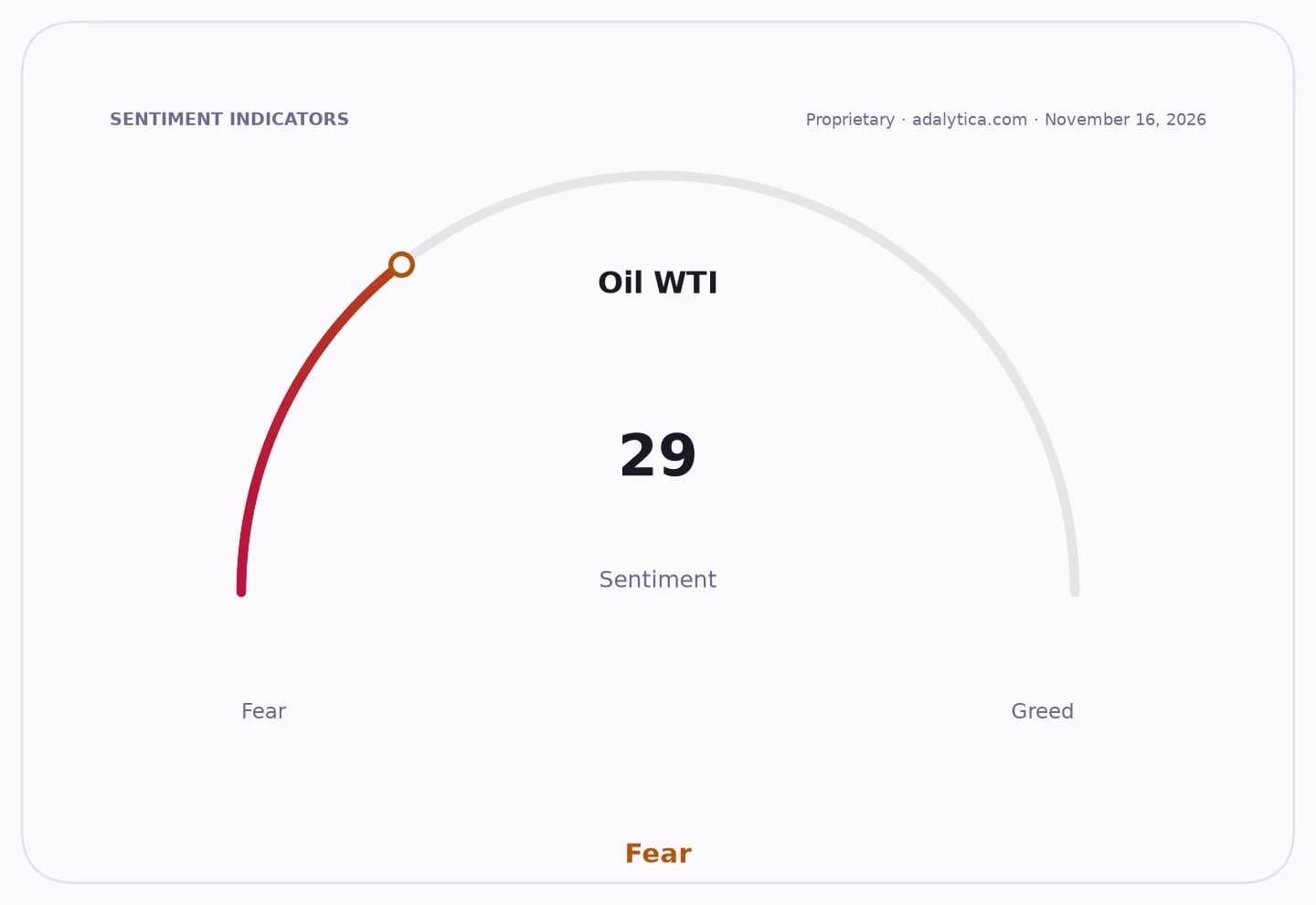
Energy is the clearest pressure point. In Brescia, energy goods were 26% more expensive than a year earlier in September, while other regulated and market-based energy items rose 29.3%. Nationally, energy prices climbed 31.4% in October, while unprocessed food increased 7.5% and frequently purchased goods 5.8%, reinforcing the idea that the inflation shock is concentrated in the items consumers buy most often.
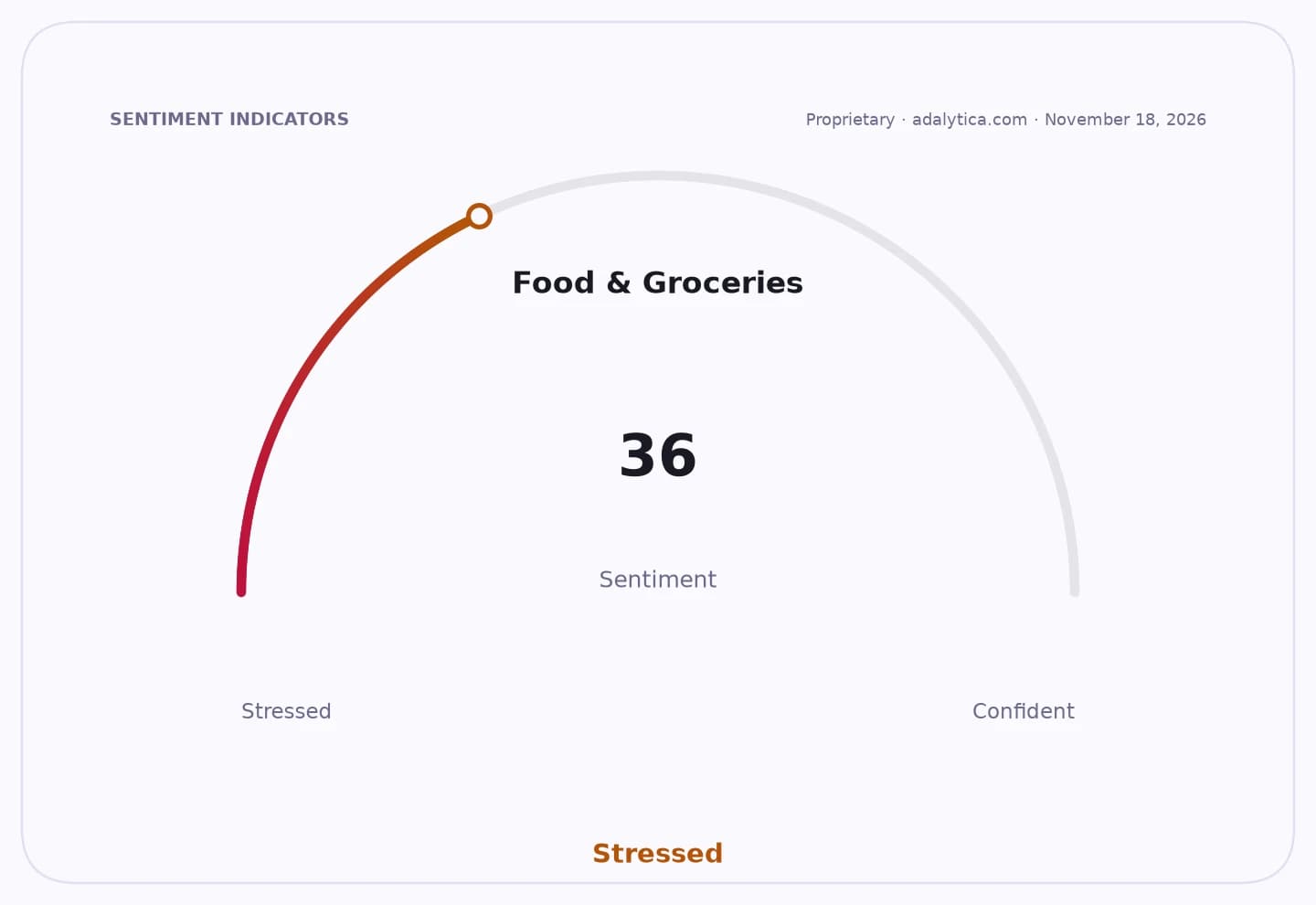
That distribution matters economically because lower-income households spend a larger share of their budget on power, food and transport. Istat data for the third quarter showed inflation measured by the harmonized index running at 4.4% for the lowest-spending families, versus 2.9% for the highest-spending group. In other words, the inflation hit is regressive, widening pressure on consumption and increasing the risk that vulnerable households cut discretionary purchases.
For policymakers, the figures strengthen the case for targeted relief rather than broad-based support. CODICI Lombardia is calling for closer monitoring of territorial price trends and more focused help on energy, food and essentials. That approach also reflects a broader European pattern: governments are still leaning on energy measures to slow inflation, but volatile commodity markets mean temporary interventions may only blunt, not remove, the shock.
For investors, the message is twofold. First, higher energy bills can keep inflation sticky, delaying any easing in consumer pressure and keeping rate expectations sensitive to commodity moves. Second, the burden on households can weaken domestic demand, with consequences for retailers, utilities and consumer-facing businesses across Italy. Energy producers and integrated oil names may still benefit from firmer fuel prices, but the trade-off is rising political pressure for support and potential caps on pass-through to consumers.
The near-term outlook hinges on whether energy prices stabilize into the winter. If they do not, Italy’s inflation rebound could remain stubborn, preserving pressure on household spending and complicating the policy outlook just as Europe tries to balance growth, cost-of-living concerns and energy security.
| Entity | Gains | Losses |
|---|---|---|
| Energy producers | ▲Higher fuel-price pass-through | ▼Political scrutiny |
| Italian households | ▲Temporary support measures | ▼Real purchasing power |
| Consumer staples retailers | ▲Resilient essential demand | ▼Margin pressure from weak volumes |
| Policymakers | ▲Justification for targeted relief | ▼Room for fiscal flexibility |