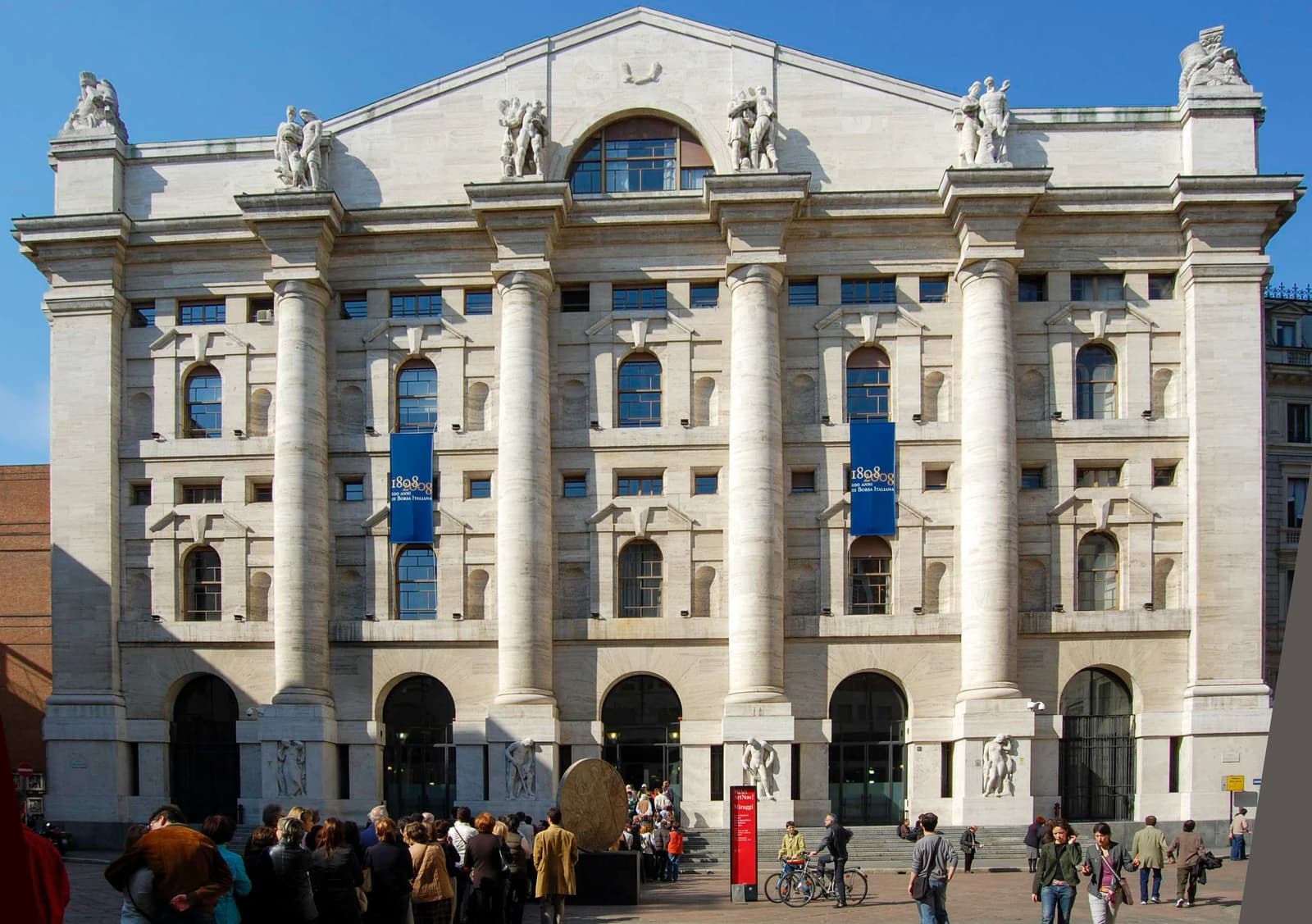
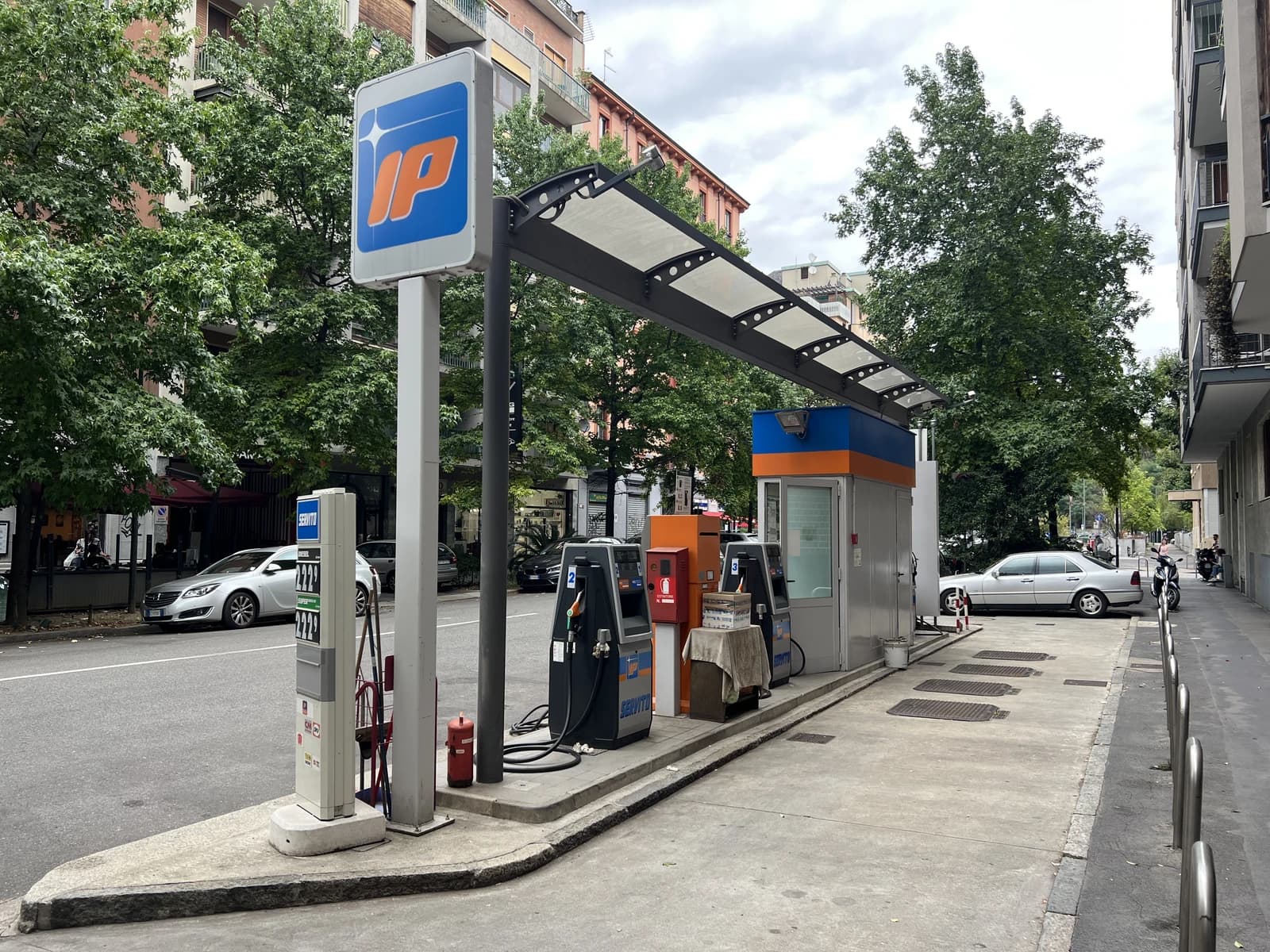
Italy’s inflation accelerated to 3.3% in August, the sharpest rise in more than a year, as energy prices again took the lead and pushed petrol above 2.1 euros a litre on motorways. That matters because higher fuel costs do not just hit drivers at the pump — they seep quickly into transport, food and services, raising the risk that a temporary energy shock turns into a broader cost-of-living squeeze.
Italy inflation rises to 3.3% in August
The preliminary Istat reading showed consumer prices rising 0.5% on the month and 3.3% from a year earlier, up from 2.9% in July. That is a meaningful re-acceleration for the euro zone’s third-largest economy, especially at a time when households are still absorbing the lingering effects of the inflation surge that followed the Russia-Ukraine energy shock.
Sentiment IndicatorsⓘProprietary · adalytica.com · September 1, 2026
This is a snapshot — live sentiment, awareness and momentum for 130+ markets update continuously in the dashboard.Open AlphaPulse

The move tracks the latest rebound in crude. Brent has climbed back to about $92 a barrel, while West Texas Intermediate has recovered to roughly $88, both well above the levels that prevailed earlier in the summer. In Europe, the pass-through to consumers is immediate and visible at the forecourt, and Italy is particularly sensitive because road transport remains central to daily spending and logistics.
Economically, the problem is not just headline inflation. Energy-driven price gains squeeze real wages, reduce discretionary spending and can slow the parts of the economy that were already vulnerable to weak industrial demand. If motorists are paying more at the pump, the cost eventually lands with retailers, shippers and manufacturers. That gives the August figure more staying power than a one-off statistical blip.
For investors, the implication is that inflation is not dead — it is merely changing character. The market’s assumption that Europe has moved past energy volatility looks premature. A renewed oil upswing can keep pressure on bond yields, complicate the European Central Bank’s path, and support energy shares while weighing on rate-sensitive sectors such as utilities, real estate and consumer discretionary names.
The beneficiaries are clear. Big integrated oil companies and energy ETFs stand to gain from firmer crude and improved refining economics, while airlines, transportation firms and Italian consumers are on the wrong side of the trade. If energy remains sticky into autumn, investors should expect more upside in the oil complex and renewed caution in European cyclicals. The best position now is to own the infrastructure of higher energy prices, not the consumers forced to absorb them.
| Entity | Gains | Losses |
|---|---|---|
| Energy producers | ▲Higher realized prices | ▼— |
| Fuel retailers | ▲Wider pump pricing power | ▼Consumers at the margin |
| Transportation and logistics | ▲— | ▼Higher operating costs |
| Italian households | ▲— | ▼Lower real purchasing power |