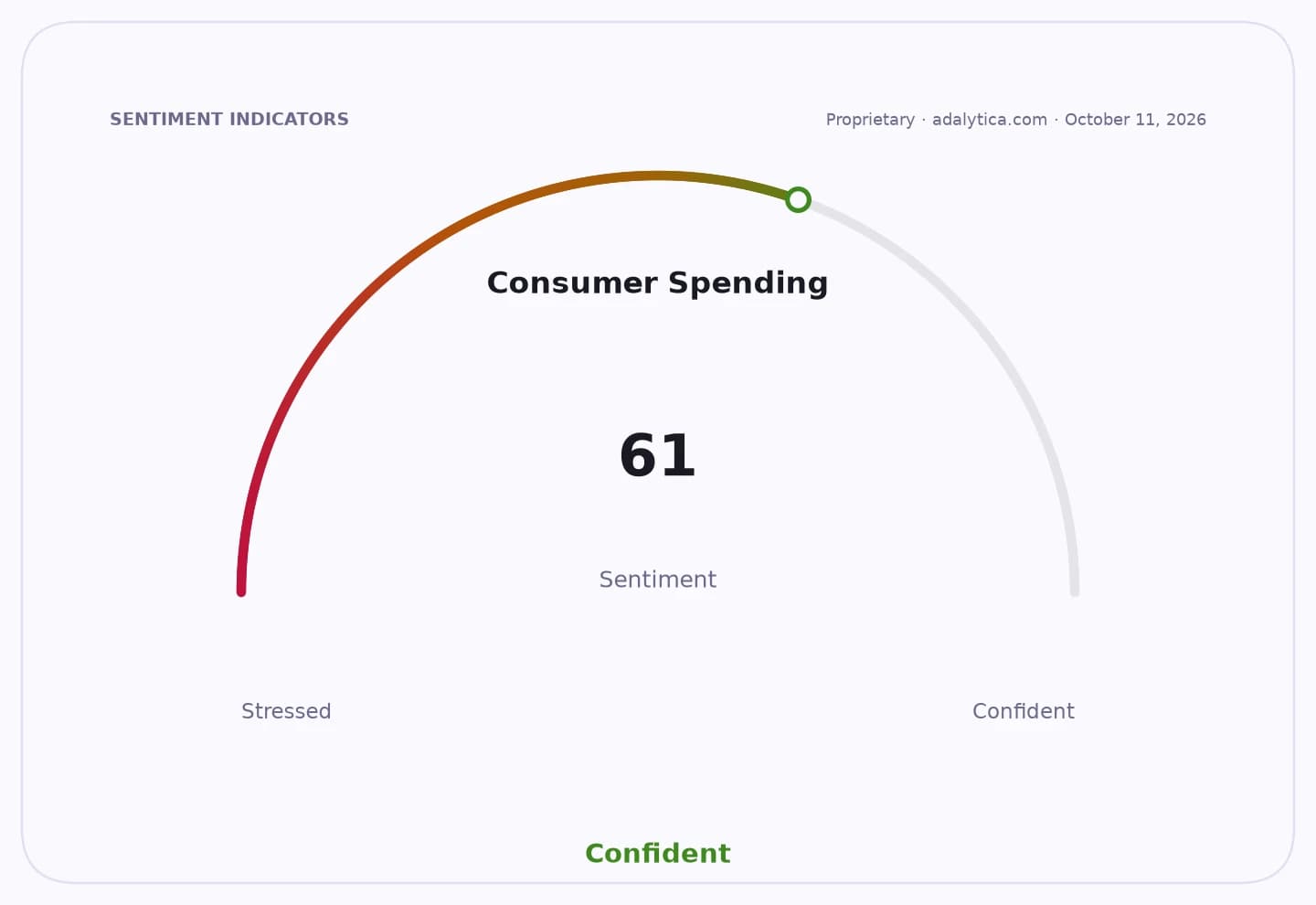
Italy is emerging as Europe’s strongest travel market this autumn, with September online booking saturation topping 62% and minister Gianmarco Mazzi saying foreign visitor spending reached 16.2 billion euros in the first eight months of 2026, up 5% from a year earlier.
Italy tourism booking rates top Europe in September
The surge matters because tourism is one of Italy’s biggest sources of jobs, regional demand and foreign currency inflows. Mazzi said 2025 is on track to be a record year, with 535.5 million tourist stays and total spending of 185 billion euros, while 2026 is extending the trend rather than reversing it.
The September booking rate, measured by online travel agency saturation — bookings versus available rooms or accommodation on major international platforms — puts Italy ahead of every other European destination and more than 10 points above France and Spain, according to Mazzi. That points to a market that is not only busy in peak summer, but still filling rooms in the shoulder season, helping reduce the sector’s long-standing reliance on a few holiday months.
For investors, the implications run beyond hotels. Stronger inbound travel supports airlines, rail operators, airport traffic, restaurants, retail chains and local services, especially in cities, borghi and cultural destinations that depend on visitor spending. Mazzi also highlighted the role of neighborhood businesses and local commerce in making destinations more attractive, tying tourism performance to broader domestic demand.
The backdrop is a mixed one: Italy is benefiting from heavy international demand and its mix of culture, food and regional destinations, even as some areas contend with overtourism pressure. Mazzi said he plans an initiative linked to film tourism, underscoring how Rome wants to convert cultural visibility into more spending.
The key test now is whether Italy can turn record demand into a durable 2026 trend without eroding capacity or pushing visitors elsewhere. The next catalysts are autumn booking data, holiday-season arrivals and any signs that spending growth is broadening beyond the biggest cities and beach destinations.
| Entity | Gains | Losses |
|---|---|---|
| Italy tourism operators | ▲Higher occupancy and spending | ▼Capacity strain in hotspots |
| Hotels, restaurants, retailers | ▲More foreign demand | ▼Margin pressure from overcrowding |
| France and Spain | ▲— | ▼Lose share to Italy in Europe |
| Local communities | ▲More activity and jobs | ▼Overtourism and congestion |