Roberto Vannacci used one of Italy’s most prominent business forums to press a blunt message that matters well beyond the auditorium: the European Union, in his telling, needs to become less bureaucratic and more permissive of national identity if it wants Europe’s economy to keep growing.
Italy’s Vannacci Presses Anti-Bureaucracy EU Message

That argument matters because it goes straight to the fault line shaping Italian and European policy in the years ahead. Investors care about whether Italy, the euro zone’s third-largest economy, will keep pushing for integration and reform or lean harder into the nationalist politics that can slow regulation, complicate migration policy and test Brussels’ authority.
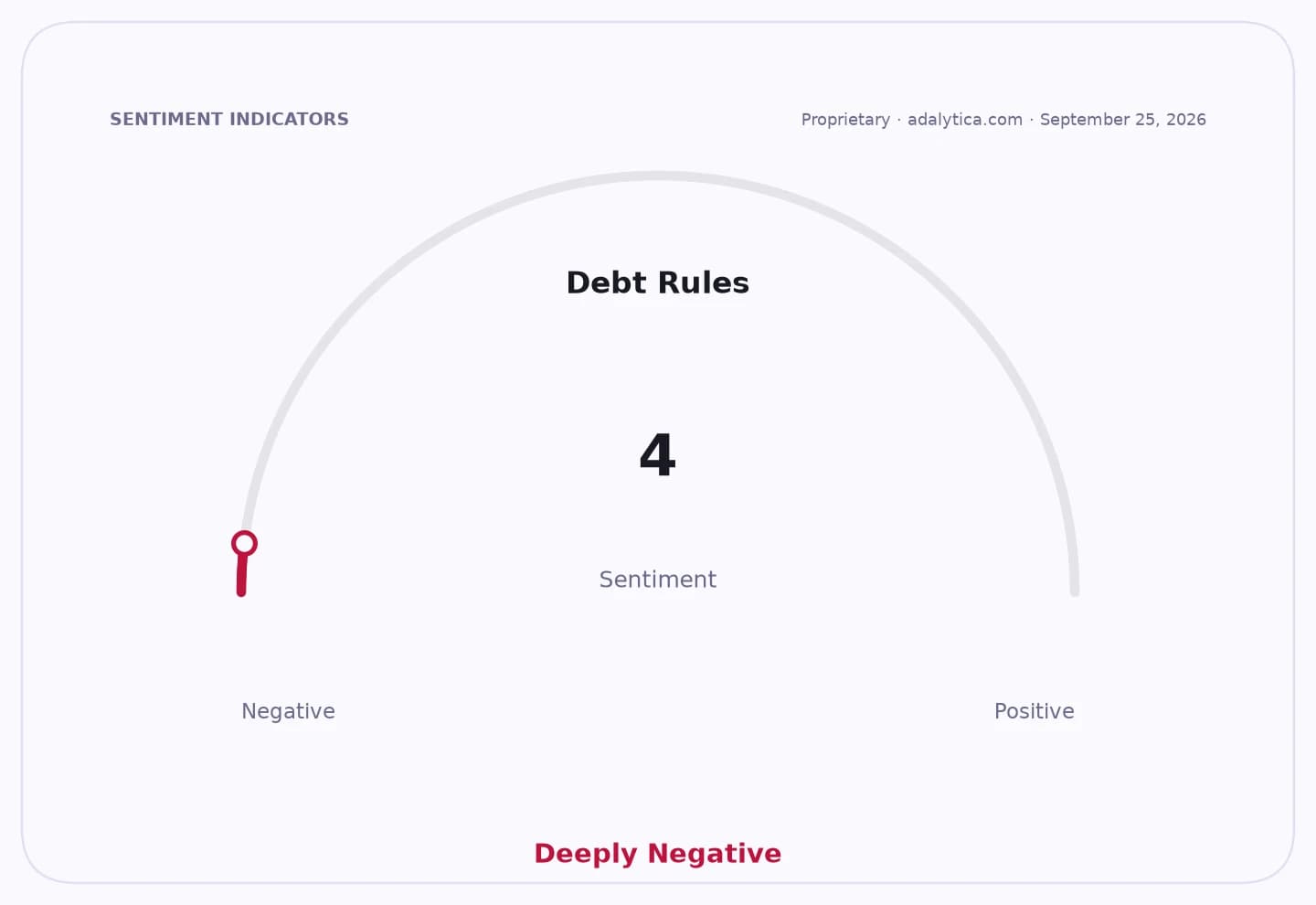
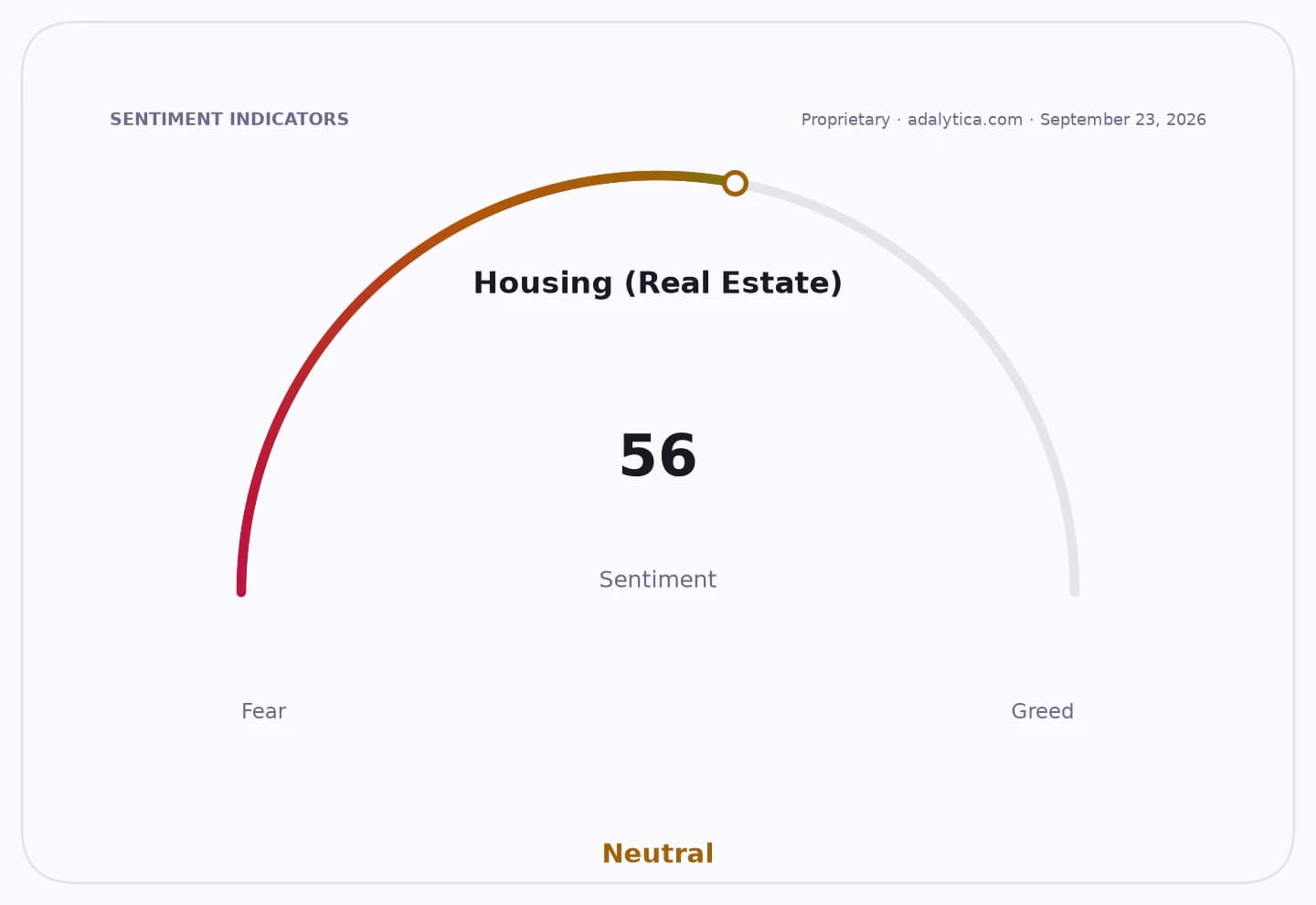
Sentiment IndicatorsⓘProprietary · adalytica.com · September 6, 2026
This is a snapshot — live sentiment, awareness and momentum for 130+ markets update continuously in the dashboard.Open AlphaPulse
Vannacci, a former general whose Futuro Nazionale party has already become Italy’s fourth political force only seven months after launch, framed the EU as a “platform for collaboration, and not coercion” at the TEHA Ambrosetti annual conference on Lake Como. He told executives that Europe must stop producing rules that “hinder economic initiative” and instead defend its “culture and civilization.”
That was not just campaign-style rhetoric tossed into a room of business leaders. It was a direct appeal to the corporate audience about the cost of regulation, and a reminder that the anti-Brussels message now has real traction inside Italy’s right wing. Vannacci is already peeling off support from Prime Minister Giorgia Meloni’s coalition, with elections due next year.
For long-term investors, the economic significance is less about one speech than about policy drift. If nationalist forces keep gaining ground in Italy, the debate over labor mobility, industrial rules, civil rights and EU coordination could become louder and more persistent. That may not change markets overnight, but it can shape the investment climate by affecting reform momentum, investor confidence and the pace of euro-zone decision-making.
The summit also highlighted how mainstream and hard-right narratives are increasingly sharing the same stage. Former Italian Premier Mario Monti, who led Italy through the 2011-12 debt crisis, warned that Vannacci’s politics could inflame resentment in a way he compared to Benito Mussolini’s era. The audience greeted Vannacci politely, but Monti’s remarks drew the warmer response.
There is a reason business leaders keep listening to both sides. Vannacci’s message taps a real frustration among companies that view Brussels as overproducing rules while economic growth remains sluggish. Even some attendees echoed that view, with one construction lobby representative saying many of the general’s points were valid.
For investors, the takeaway is not to overreact to a single nationalist speech. Italy remains tightly bound to the EU, and Meloni’s government has often governed more pragmatically than its rhetoric suggests. But the political direction of travel is clear enough: Europe’s integration debate is getting more contentious, not less, and Italy is at the center of that fight. That is worth watching closely for anyone with exposure to euro-zone assets, Italian equities or the euro itself.
| Entity | Gains | Losses |
|---|---|---|
| Vannacci and hard right | ▲More visibility | ▼Pro-EU moderates |
| Italian businesses | ▲Lower EU red tape, if adopted | ▼More policy uncertainty |
| EU institutions | ▲Little, unless reform pressure grows | ▼Authority and integration push |
| Investors in Italy/euro assets | ▲Longer-term reform, if politics stays pragmatic | ▼Higher political risk premiums |