Italy’s wage problem is now less about unemployment than about buying power: pay has failed to keep up with prices, leaving many workers poorer in real terms even as hiring has improved in parts of the economy.
Italy Wage Erosion Hits Services and Consumption
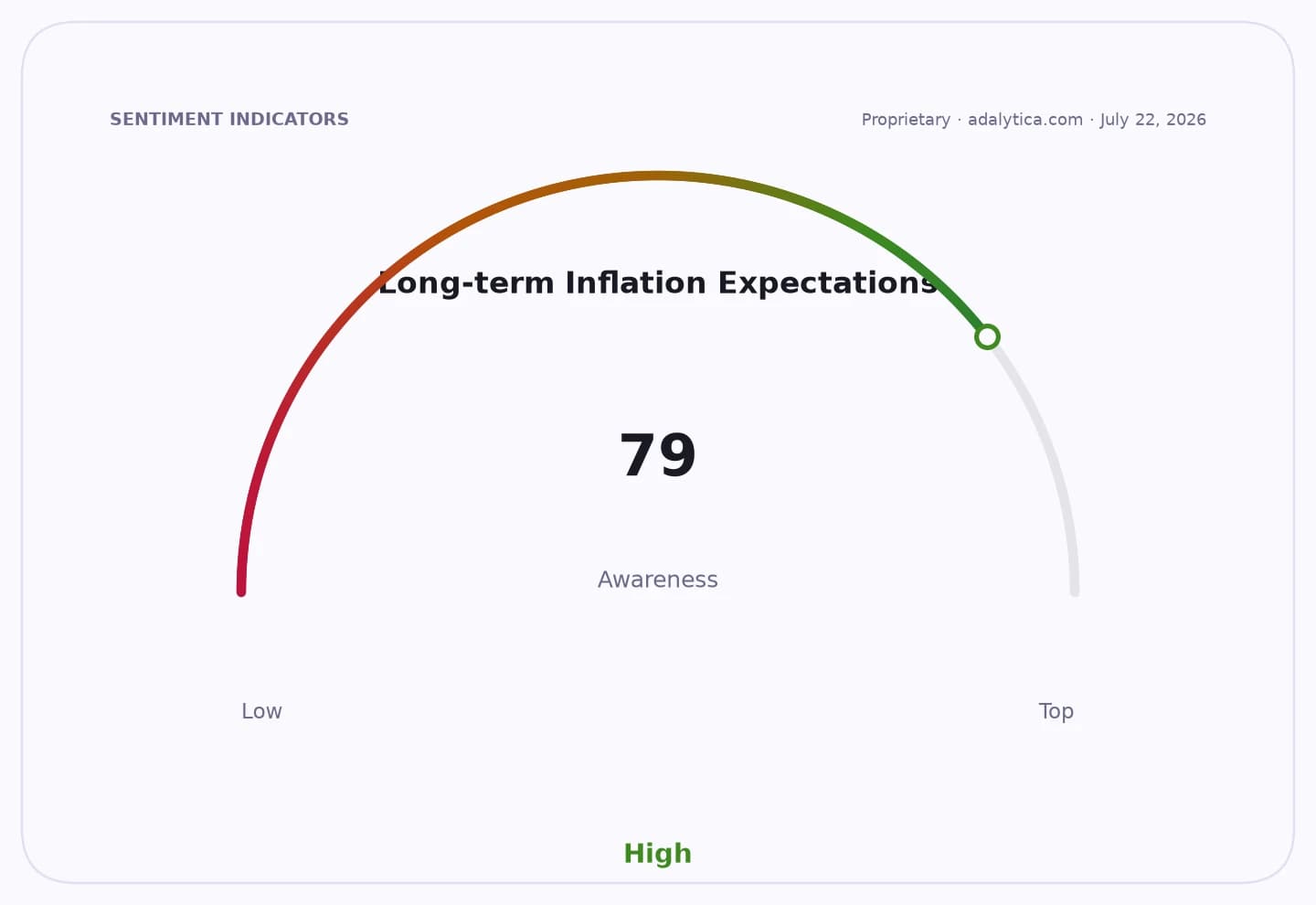
The clearest break came after the inflation shock that began in 2021. Consumer prices have risen sharply since then, and the squeeze has been uneven, hitting service-sector workers much harder than those in industry and construction. That gap helps explain why the recovery feels shallow for households even when headline labor-market data look steadier.
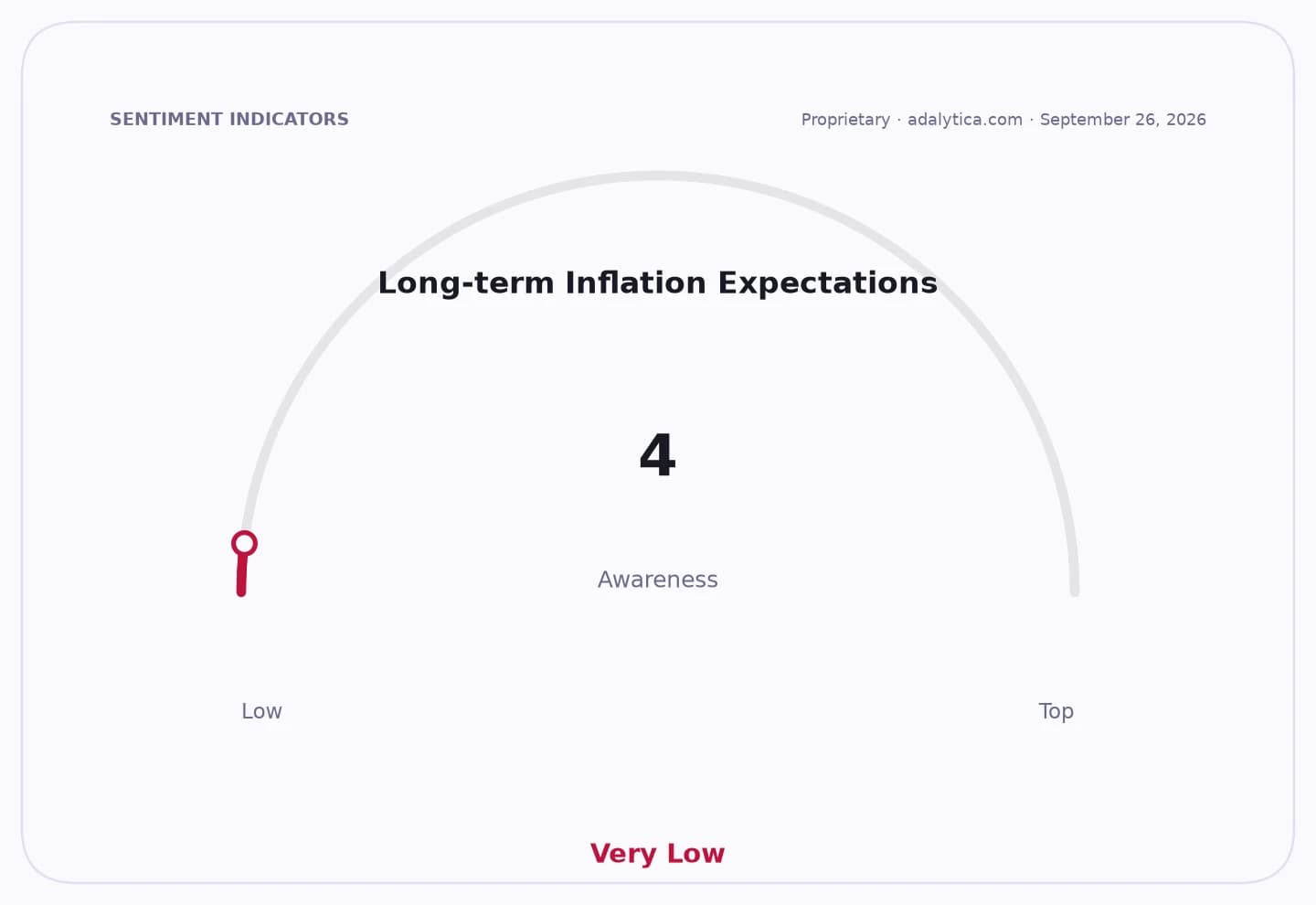
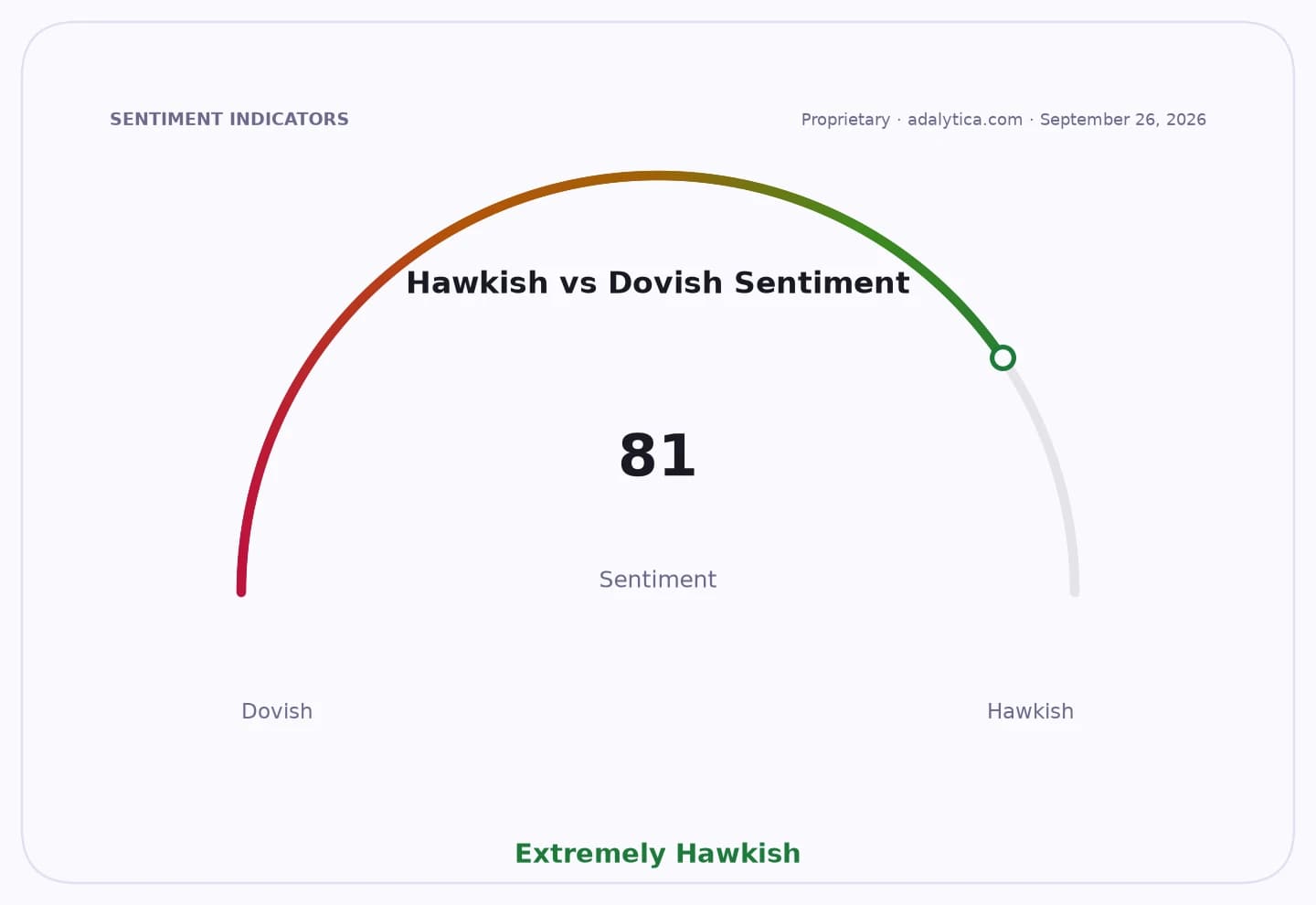
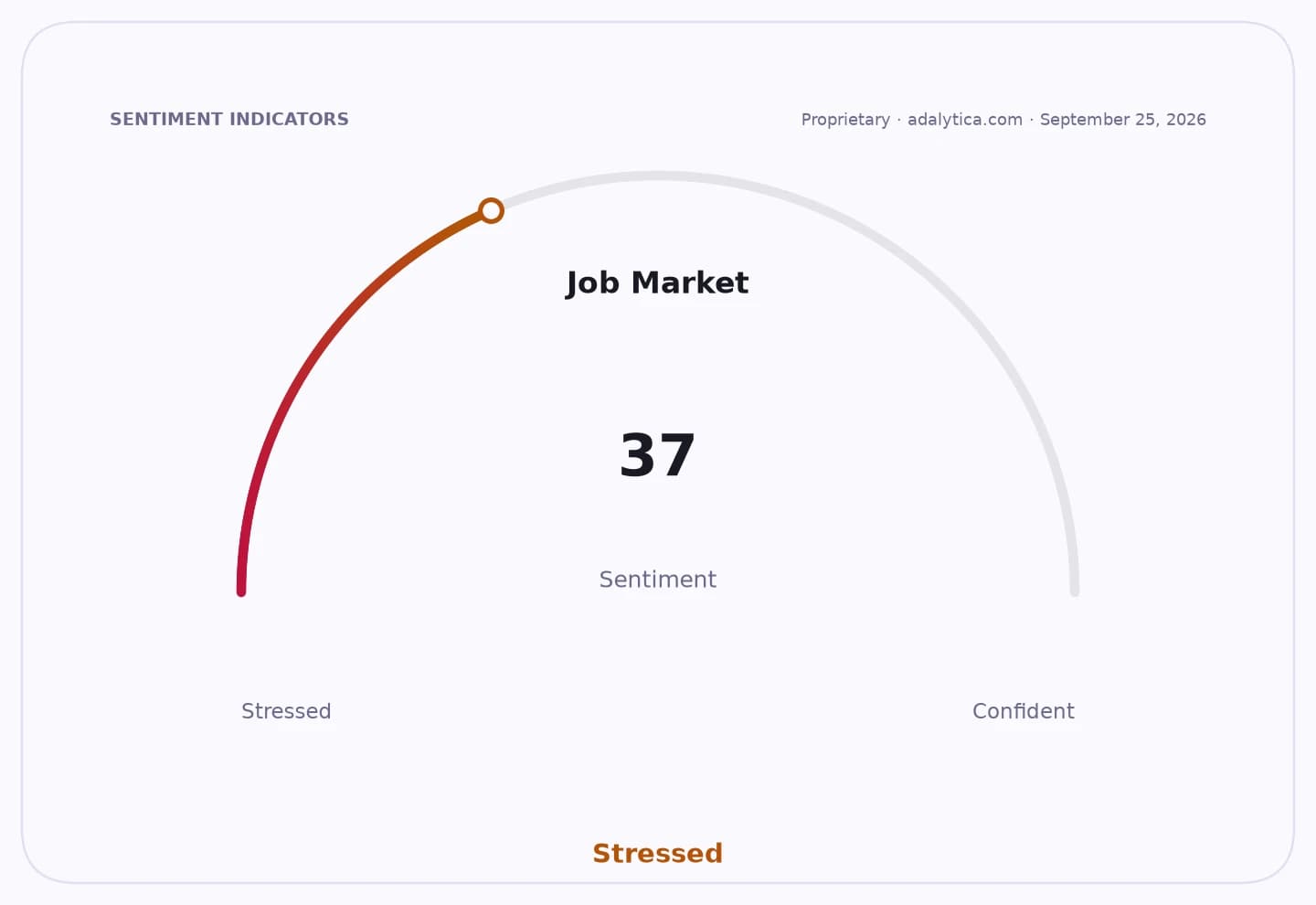
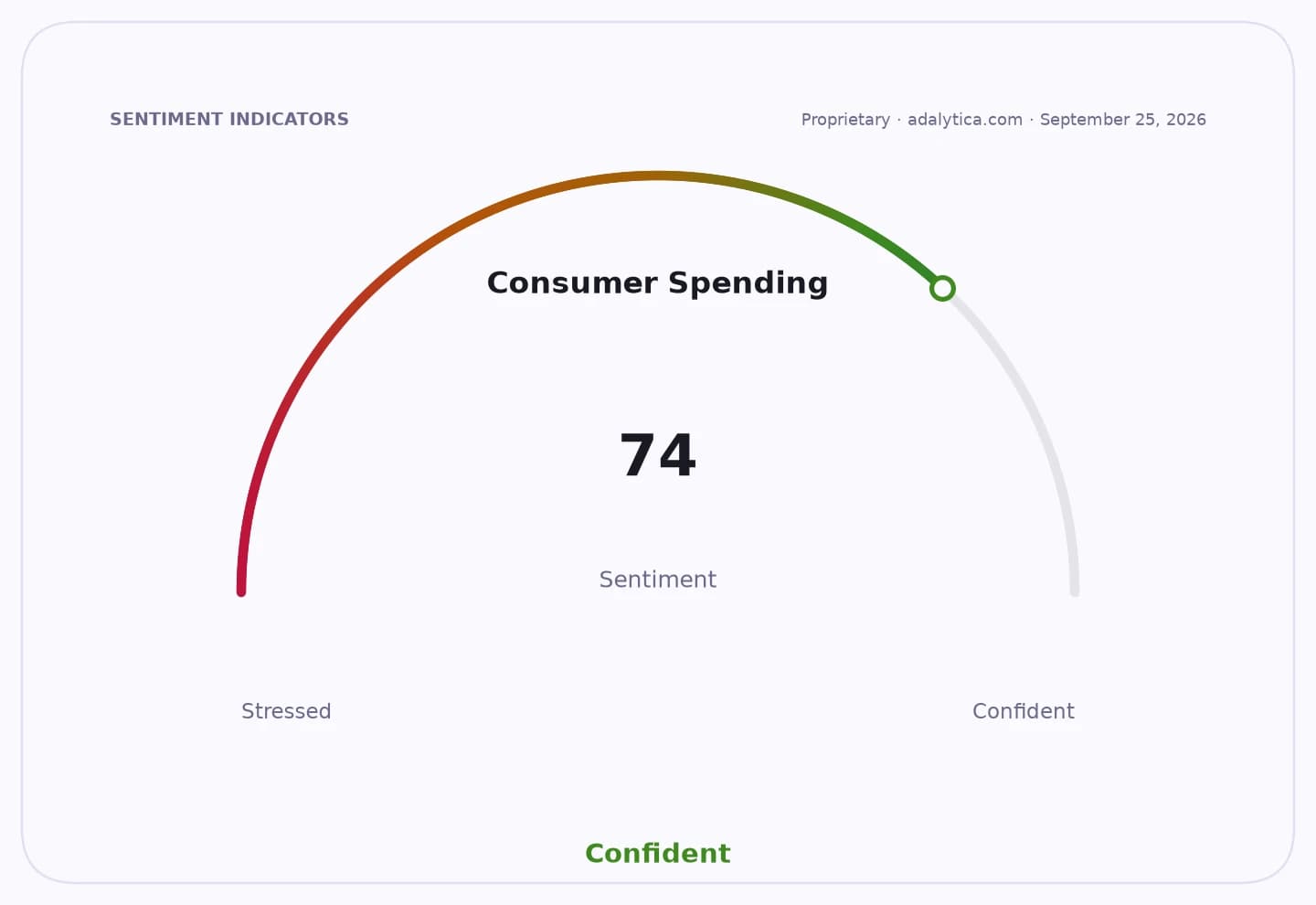
Sentiment IndicatorsⓘProprietary · adalytica.com · July 22, 2026
This is a snapshot — live sentiment, awareness and momentum for 130+ markets update continuously in the dashboard.Open AlphaPulse
Over the longer run, Italian salaries have been drifting relative to inflation for decades. From 1996 to 2006, real wages fell 6.6%, according to the seed data, but the post-pandemic surge in prices made the erosion more visible and politically damaging. Industry and construction wages have risen 16.5% over the relevant comparison period, while services lagged 20.9%, exposing a split between more protected, higher-productivity jobs and lower-paid, more fragmented work.
That divergence matters for the economy because services dominate employment and consumption. When pay in hotels, retail, logistics and other service jobs fails to keep pace, household spending weakens, savings are depleted and pressure builds for fiscal support or higher bargaining demands. It also makes inflation feel more persistent even when price growth cools, because workers compare today’s bills with wages that have not reset upward fast enough.
The labor-market divide is also widening between full-time and part-time workers. That leaves a growing share of employees exposed to weaker hours, lower income and less predictable cash flow, which reduces the elasticity of consumer demand and complicates policymakers’ effort to engineer a soft landing.
Investors should care because Italy’s wage stagnation feeds directly into domestic-demand stocks, banks, retailers and utilities, while also constraining the country’s growth outlook and tax base. The story is not one of broad overheating but of weak purchasing power: a macro drag that can cap earnings growth and keep Italian assets hostage to any renewed inflation spike.
The broader implication is that Italy may not have a single wage problem but two labor markets moving in opposite directions. Unless productivity, bargaining power and job quality improve in services, the inflation shock of 2021 will keep echoing through household balance sheets long after the price surge itself fades.
| Entity | Gains | Losses |
|---|---|---|
| Industry and construction workers | ▲Higher real pay | ▼None |
| Service-sector workers | ▲Some nominal wage gains | ▼Real income erosion |
| Full-time employees | ▲More stable earnings | ▼Fewer relative losses |
| Part-time workers | ▲Flexible employment | ▼Wider income gap |