Older condominiums across Japan are moving from a maintenance issue to a balance-sheet problem, with redevelopment costs now running about 20 million to 30 million yen per household before price increases, a scale that is making revitalization increasingly difficult to finance.
Japan Condo Aging Creates Redevelopment Opportunity
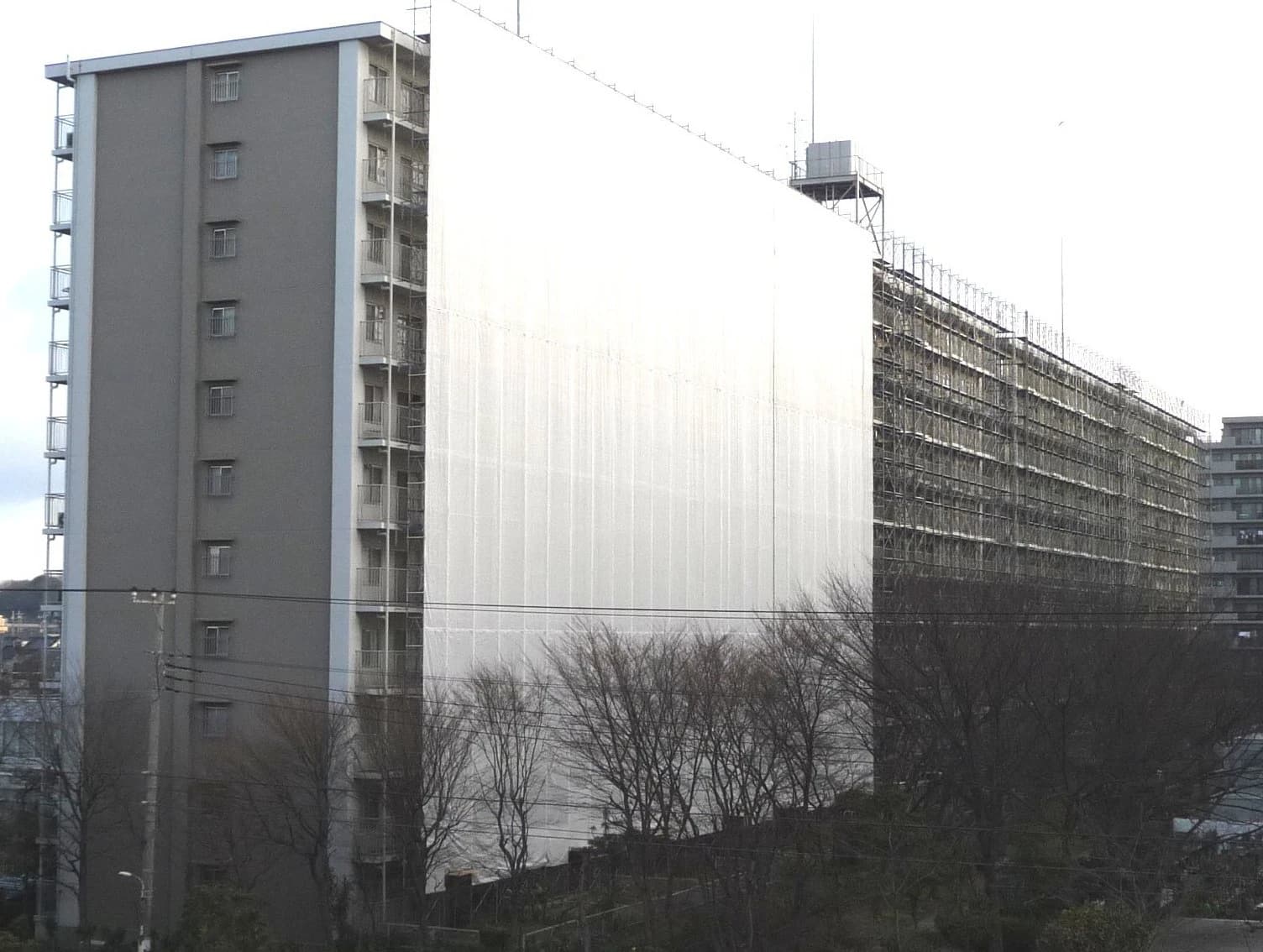
That cost burden matters because Japan’s apartment stock is aging faster than many owners’ savings and local governments can accommodate. Once buildings pass 40 years, repairs become more complex, reserve funds often prove inadequate and owners face a choice between large special assessments, debt-backed redevelopment or accepting decline. The result is not just a housing problem but a growing drag on household wealth, urban land use and municipal planning.
The issue has broad economic implications. Condominium revitalization decisions affect construction demand, demolition work, engineering services and financing needs, while also influencing land values in built-up areas where replacement is often the only way to restore asset quality. If owners cannot agree to fund major projects, buildings risk a spiral of deferred maintenance, falling livability and weaker resale values. That can leave aging blocks functionally stranded even in dense neighborhoods where land itself remains valuable.
For investors, the story points to both opportunity and risk. Builders, redevelopment specialists, property managers and lenders could benefit if more projects move ahead, particularly where municipalities streamline approvals or owners accept larger assessments. But the financing burden also raises default and execution risk: communities with an older resident base, limited reserves and weak consensus are less likely to proceed, limiting project flow and depressing transaction activity. That argues for a widening gap between prime redevelopment opportunities and the broader aging stock.
The challenge is emblematic of Japan’s demographic and real-estate squeeze. An aging population means more owners are fixed-income households, while higher construction and labor costs make catch-up repairs more expensive than in past cycles. The economic logic of renewal is clear, but the financing model is not. Unless reserve contributions rise earlier and redevelopment frameworks become easier to execute, more condominiums may drift into prolonged deterioration rather than renewal.
For investors watching Japan’s property and construction sectors, the key catalyst is whether the state, municipalities and apartment associations can build a workable funding model before repair costs rise further. If they can, aging condominiums could become a steady source of redevelopment activity. If not, the stock of older buildings will remain a slow-moving liability for owners and the cities they anchor.
| Entity | Gains | Losses |
|---|---|---|
| Redevelopment contractors | ▲More project demand | ▼Delayed decision-making |
| Condo owners with savings | ▲Asset renewal potential | ▼Large special assessments |
| Local governments | ▲Safer housing stock | ▼Higher planning burden |
| Older buildings with weak reserves | ▲— | ▼Accelerating deterioration |