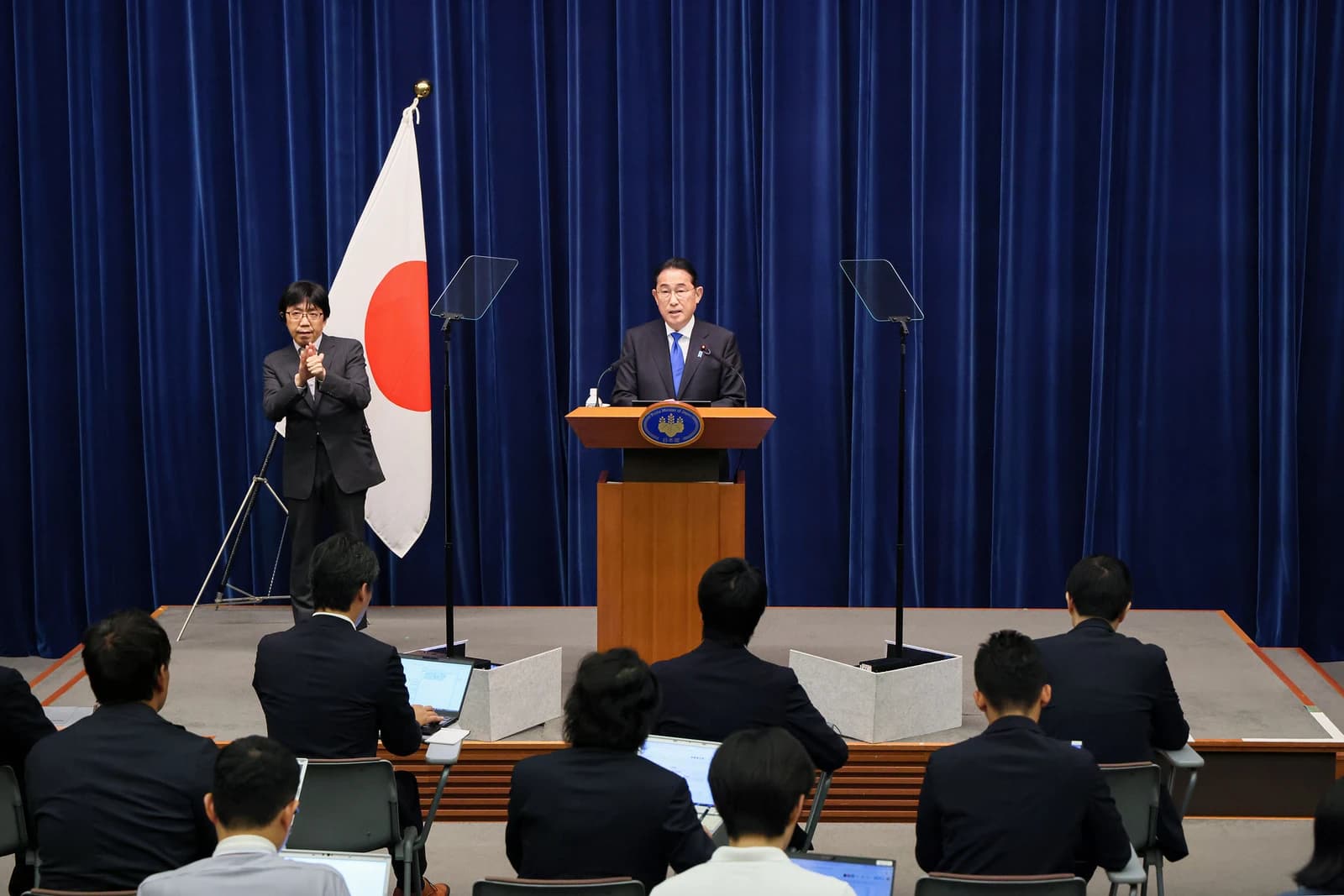
Japan’s government-backed Cool Japan Fund is under renewed pressure after cumulative losses reached 54 billion yen, prompting the creation of a consolidation review committee and a “thorough review” by the Ministry of Economy, Trade and Industry.
Japan reviews loss-making Cool Japan Fund
The move matters because the fund was designed to promote Japanese content, brands and overseas demand — a policy tool meant to turn soft power into export earnings and support related industries. Persistent losses raise questions about whether state capital is being deployed efficiently at a time when Japan is trying to widen its growth base and improve returns on public investment.
Sentiment IndicatorsⓘProprietary · adalytica.com · July 15, 2026
This is a snapshot — live sentiment, awareness and momentum for 130+ markets update continuously in the dashboard.Open AlphaPulse
For investors, the review is a warning that Japan is getting stricter about state-backed vehicles that have failed to deliver. Any restructuring, consolidation or tighter oversight could change funding flows to media, entertainment, tourism and consumer-facing companies that have relied on the fund’s backing, while also affecting how the government allocates capital across strategic sectors.
The scrutiny also fits a broader policy trend in Japan toward more disciplined industrial policy as the country faces higher global rates, a softer risk environment and pressure to extract more value from public spending. Markets have recently shown sensitivity to Japan policy shifts, with the yen and other Japan-linked assets moving on expectations around growth, reform and capital allocation.
The yen itself remains under pressure in a difficult global backdrop, with Adalytica’s Japanese yen trade signals showing extreme fear and the broader global stability gauge also flashing extreme fear. That reinforces investor focus on policy credibility and fiscal discipline in Japan, particularly as the government weighs where to push support and where to pull back.
The key next step is whether the committee’s review leads to asset sales, a merger with another vehicle, or a deeper overhaul of the fund’s mandate. Investors will be watching for signs that Tokyo is prepared to impose sharper accountability on policy funds that have not produced the returns originally promised.
| Entity | Gains | Losses |
|---|---|---|
| Ministry of Economy, Trade and Industry | ▲tighter oversight | ▼political blame |
| Cool Japan Fund | ▲potential restructuring | ▼autonomy, mandate |
| Japanese content exporters | ▲possible cleaner support | ▼risk of reduced funding |
| Taxpayers/public balance sheet | ▲better capital discipline | ▼near-term policy disruption |