Rising prices are colliding with weakening household demand in Japan, leaving policymakers with fewer options as the Bank of Japan weighs further tightening and the government confronts a growing fiscal bill.
Japan Inflation Pressures BOJ, Consumers, and Bonds

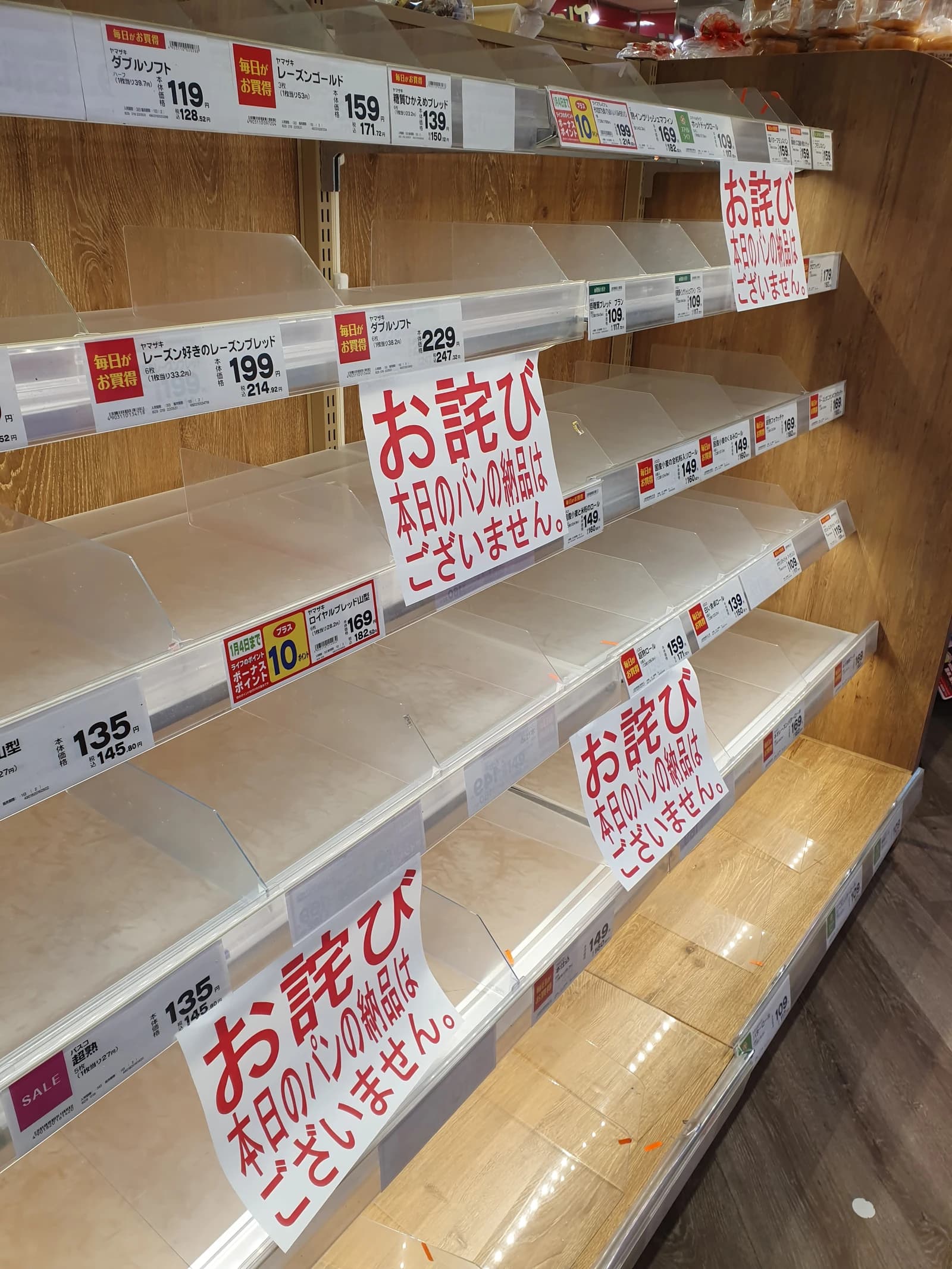
The economic significance is immediate: inflation is no longer just a producer or imported-cost problem, but a drag on real income and consumption in an economy where private spending accounts for more than half of GDP. Teikoku Databank said more than 3,000 food and beverage items were set to rise in October, with the full-year tally for 2026 expected to top 20,000, while the BOJ’s core consumer price index rose 2.6% year on year in August, above the bank’s 2% target. Yet private consumption was flat in the second quarter and inflation-adjusted household spending had fallen for eight straight months as of July, underscoring that price gains are not being matched by stronger demand.
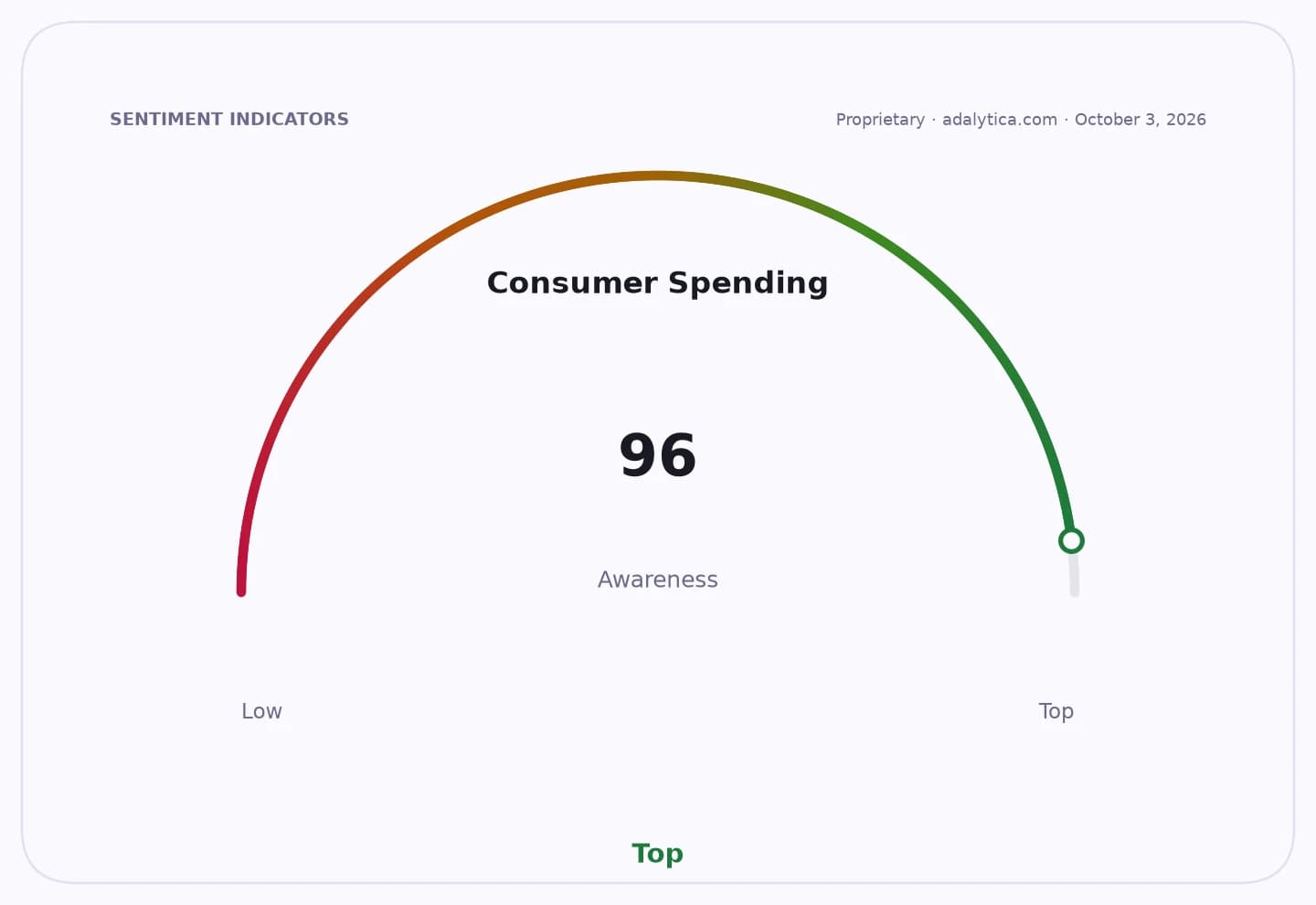
Sentiment IndicatorsⓘProprietary · adalytica.com · October 4, 2026
This is a snapshot — live sentiment, awareness and momentum for 130+ markets update continuously in the dashboard.Open AlphaPulse

That combination matters because it squeezes both corporate margins and policy credibility. Large companies with pricing power can pass through costs, but Japan’s dense small-business sector cannot do so as easily. The strain is already showing in sectors such as dining: bankruptcies among ramen shops jumped 44.4% in the first half of 2026 to a record for the period, according to Tokyo Shoko Research, as ingredient and utility costs climbed faster than what cash-strapped consumers would accept. For investors, that points to a widening gap between firms able to defend margins and those exposed to volume losses, with consumer discretionary, small-cap retail and low-margin service businesses facing the most pressure.
The BOJ is caught in the middle. A weaker yen keeps import prices elevated and supports the case for more rate increases, but faster tightening risks aggravating already fragile consumption. The central bank lifted its policy rate to 1.25% in September, yet the yen has failed to stage a durable recovery, in part because the U.S. Federal Reserve also tightened and left the interest-rate gap only modestly narrower. Joint intervention by Japan and the U.S. has done little to change the underlying trend, according to a Reuters poll cited in the context, and market expectations of another BOJ hike have strengthened.
Fiscal policy is adding a second layer of difficulty. Prime Minister Sanae Takaichi’s “responsible and proactive” spending stance has raised concerns that Japan may be leaning on stimulus while inflation is still elevated. A Reuters poll found 89% of economists expect fiscal policy to weaken the yen, especially if tax cuts and higher investment are not clearly funded. That matters for bond investors as well as currency traders: the benchmark 10-year Japanese government bond yield climbed as high as 3.115% on Sept. 25, its highest since 1996, while Ministry of Finance debt-servicing costs for fiscal 2027 were reported at a record 36.64 trillion yen, including 16.59 trillion yen in interest.
The broader narrative is that Japan’s inflation problem is no longer a simple welcome escape from deflation. It is turning into a policy trap in which higher prices, softer real wages, a weaker yen and rising sovereign financing costs reinforce each other. For investors, the key implication is that Japan’s next move in rates, the yen and long-end government bond yields will likely be driven as much by growth fragility and fiscal arithmetic as by the inflation data alone.
| Entity | Gains | Losses |
|---|---|---|
| BOJ hawks | ▲Higher odds of rate hikes | ▼Soft-growth downside risk |
| Japanese consumers | ▲None | ▼Real purchasing power |
| Pricing-power exporters | ▲Easier cost pass-through | ▼None |
| Small retailers/restaurants | ▲None | ▼Margin pressure and demand loss |