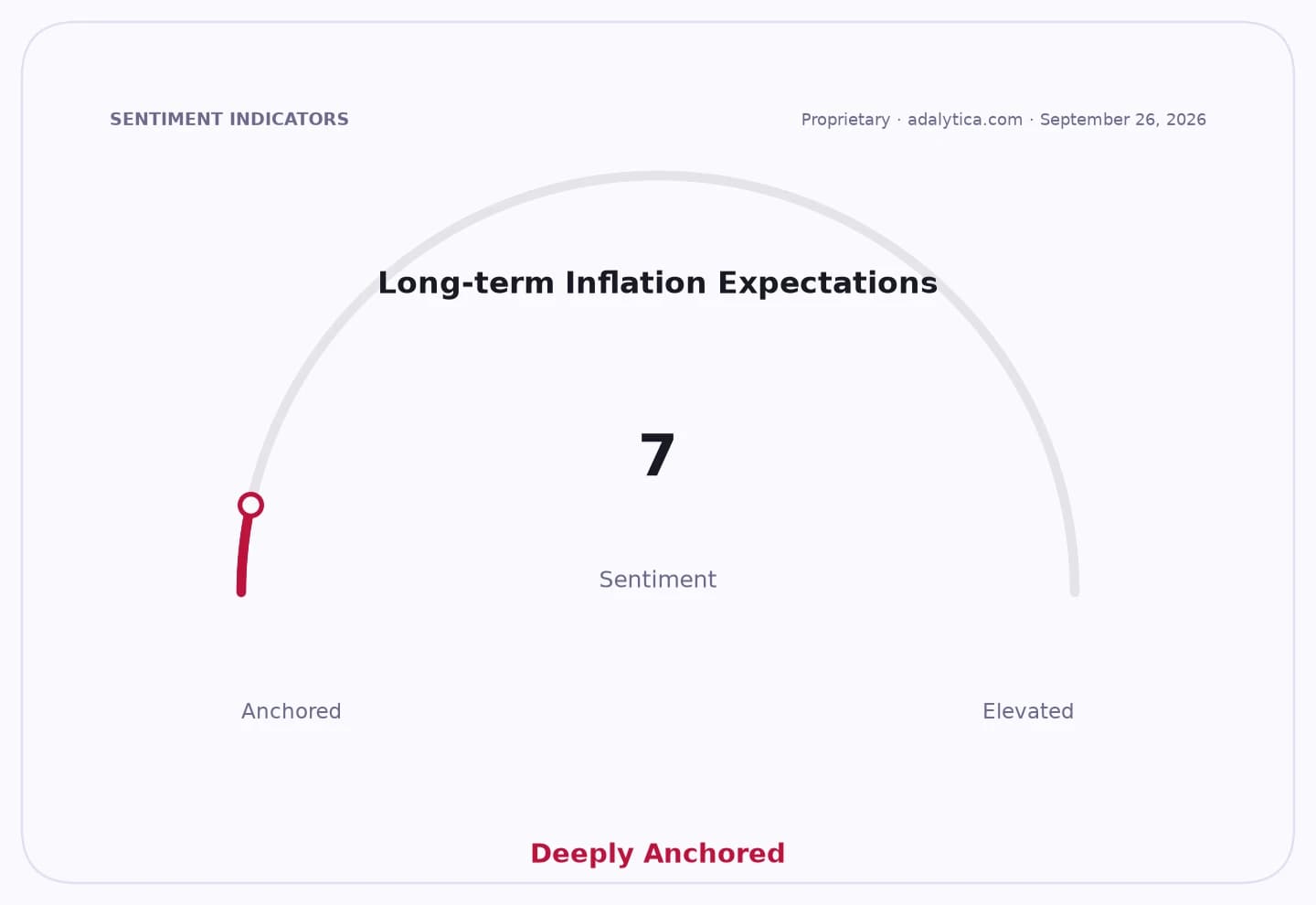
Japan’s June core inflation accelerated from May but remained below the Bank of Japan’s 2% target, underscoring a policy dilemma that is becoming harder to ignore: price pressure is still building, yet not decisively enough to force immediate action.
Japan Inflation Keeps BOJ Hike Debate Alive
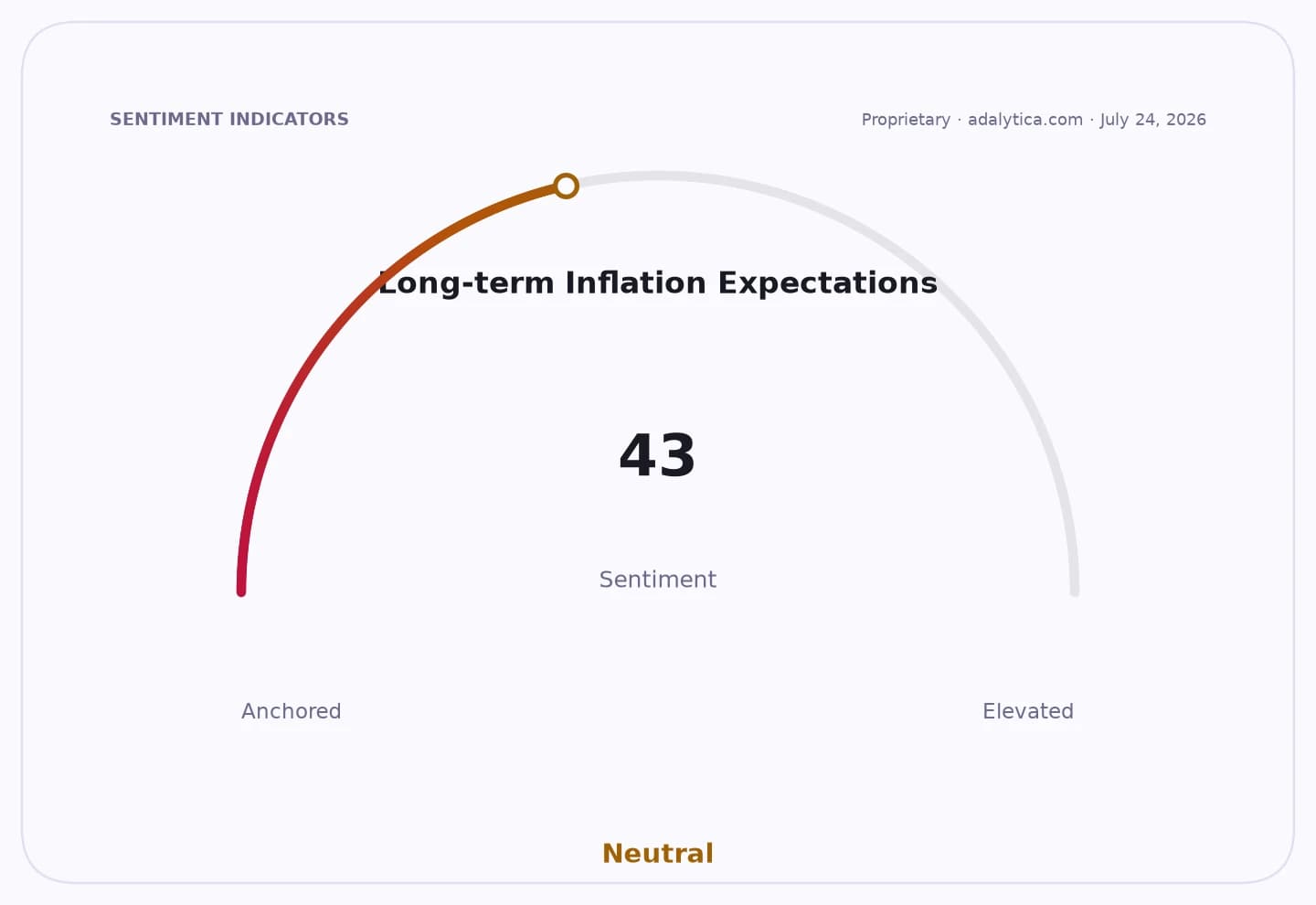
The latest reading suggests the BOJ can keep its gradual normalization path intact, but it also keeps alive the case for another rate hike later this year if wage growth and imported cost pressures continue to filter through the economy. For investors, that matters because Japan’s policy pivot is no longer an academic exercise. It is starting to affect yen direction, government bond yields and the relative appeal of Japanese equities versus rate-sensitive global assets.
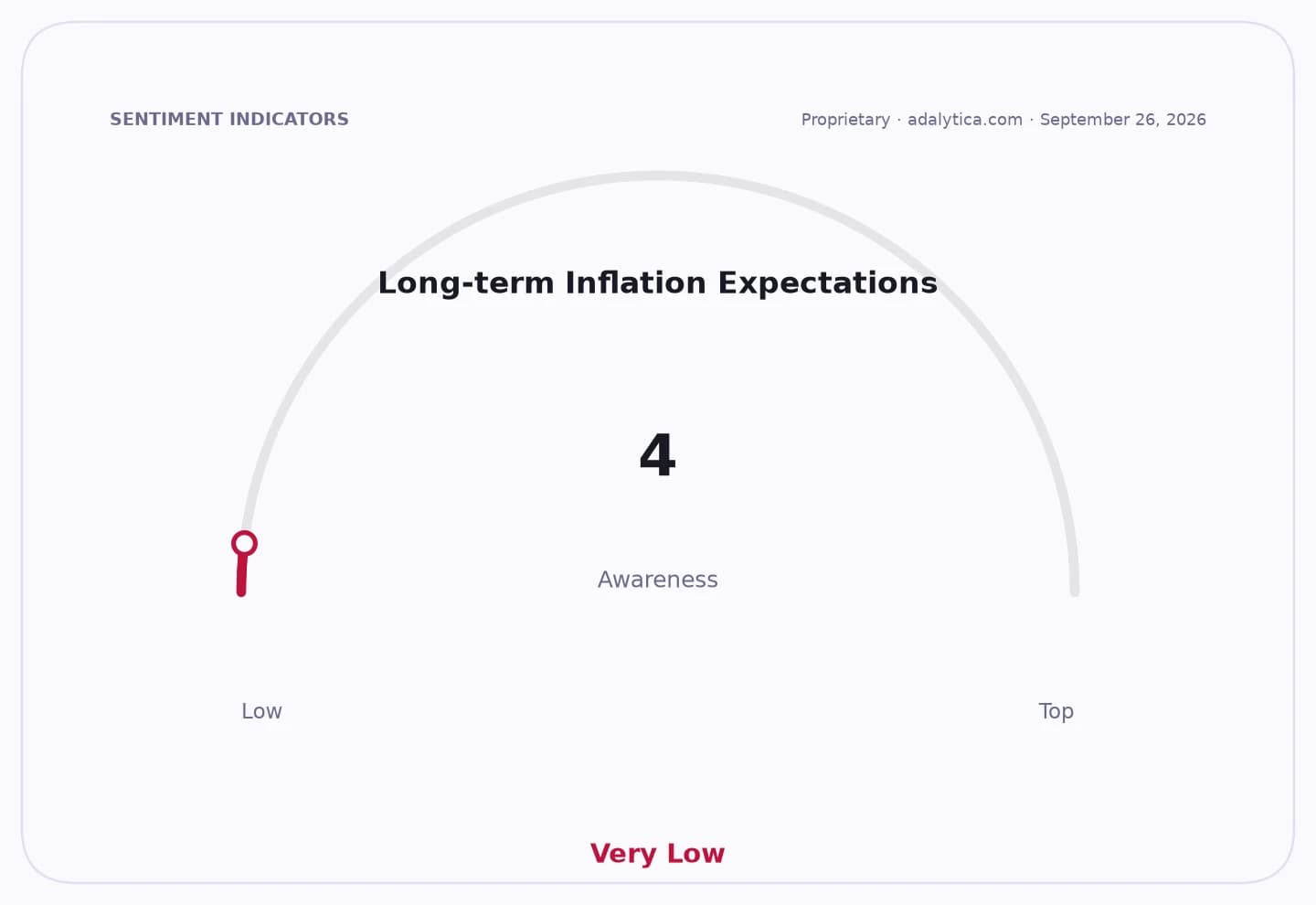
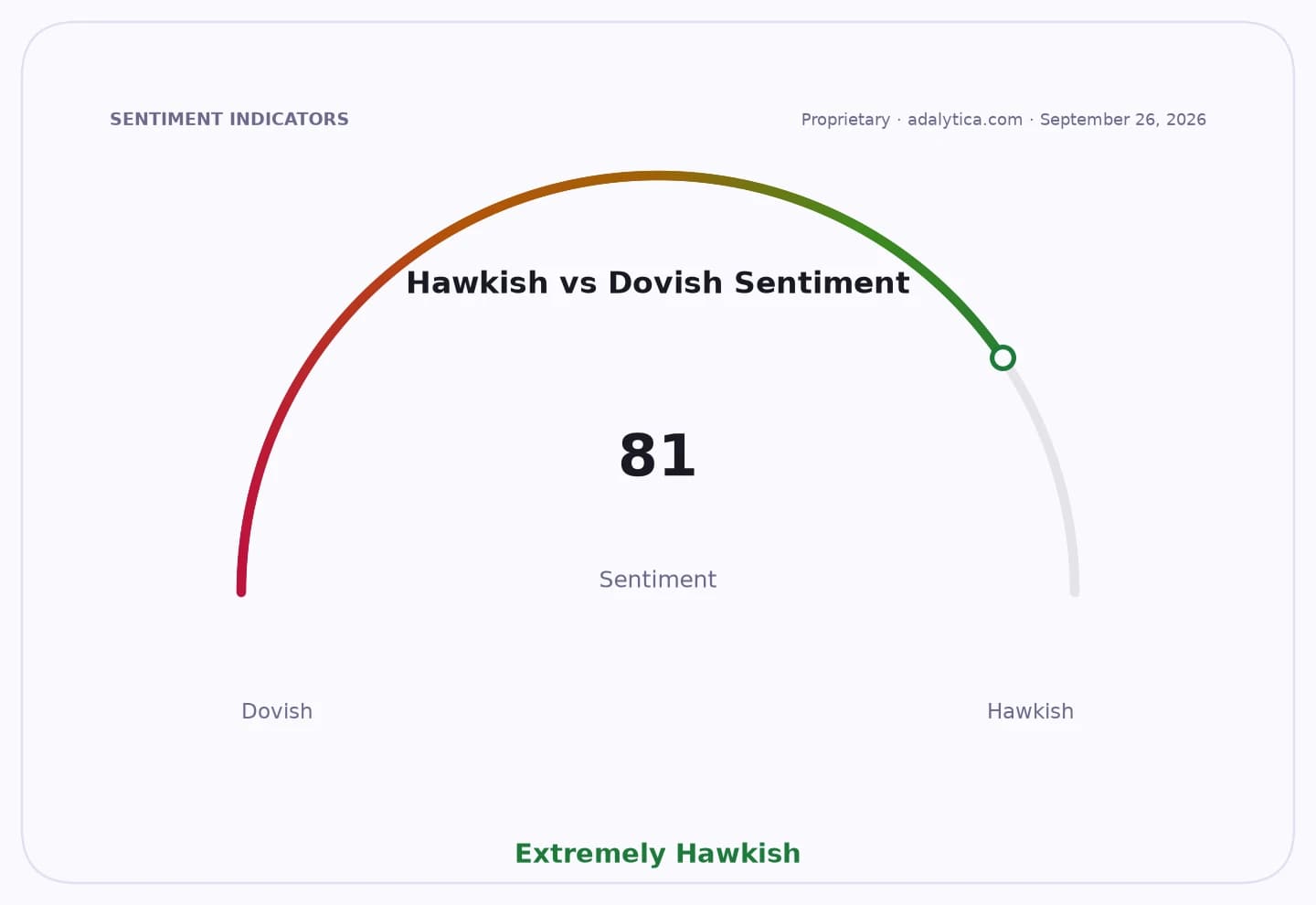
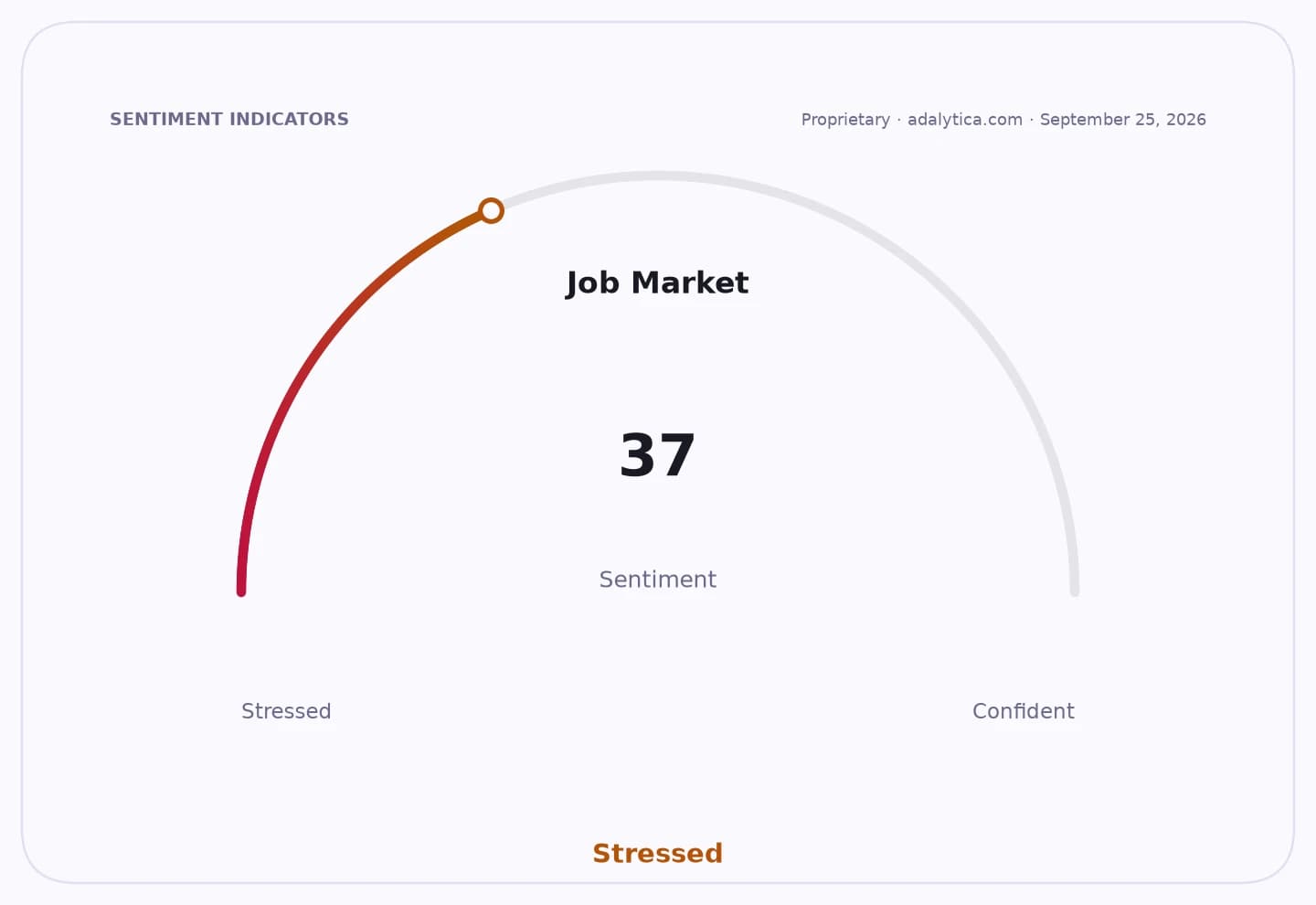
Sentiment IndicatorsⓘProprietary · adalytica.com · July 24, 2026
This is a snapshot — live sentiment, awareness and momentum for 130+ markets update continuously in the dashboard.Open AlphaPulse
The inflation backdrop remains uncomfortable for policymakers. A weaker yen has made imported energy and food more expensive, while wholesale inflation has been running hot enough to signal that pipeline pressures have not disappeared. That combination is especially important in Japan, where the BOJ is trying to exit years of ultra-loose policy without choking off a fragile recovery. A core reading below target gives Governor Kazuo Ueda room to wait, but the direction of travel still points toward firmer prices and, eventually, a higher policy rate.
Markets have already been leaning toward that conclusion. The yen exchange-traded fund FXY and Japan equity tracker EWJ both show the market is sensitive to shifts in BOJ expectations, while DXJ, which hedges currency risk for dollar-based investors, has held up better as the yen weakens. That split reflects a simple investor calculation: a stronger yen and tighter BOJ policy could weigh on exporters’ earnings translation, while helping domestic purchasing power and potentially supporting real incomes over time.
The challenge for the BOJ is that inflation is no longer falling back to the old deflationary pattern, but neither is it yet clearly anchored at the target in a way that would justify aggressive tightening. If wage negotiations and services inflation stay firm, a further increase in rates becomes more plausible. If the yen stabilizes or strengthens, the urgency eases. Either way, June’s data keep Japan squarely on the radar for global bond and currency investors looking for the next policy inflection point.
| Entity | Gains | Losses |
|---|---|---|
| BOJ hawks | ▲Stronger case for hikes | ▼Patience window narrows |
| Yen bulls | ▲Policy-tightening support | ▼Carry-trade appeal fades |
| Japanese households | ▲Less imported inflation if yen stabilizes | ▼Still face higher food and energy costs |
| Exporters | ▲Weaker yen lifts overseas earnings | ▼Stronger yen would hurt margins |