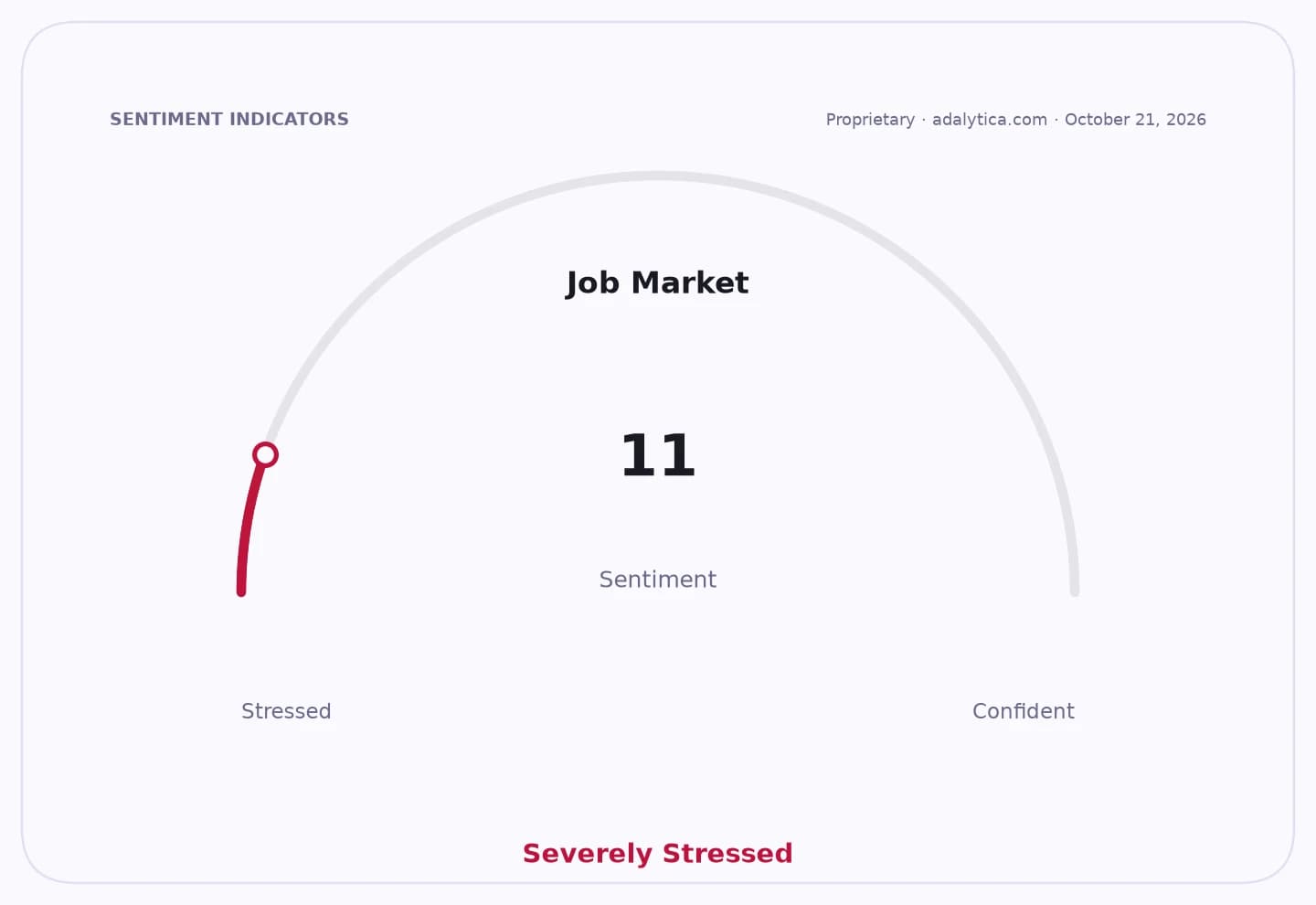
Japan’s entrance-exam preferences are tilting further toward liberal arts, a shift that reflects a labor market where graduates still have unusual leverage in hiring even as employers keep recruiting. For families choosing schools and fields of study, the message is clear: majors seen as flexible and less technical are gaining appeal because they fit a jobs market that remains tilted toward applicants.
Japan liberal arts preferences rise with labor demand
The trend matters because university choices in Japan often track career prospects years ahead, not just test scores. When hiring conditions are strong, students and parents tend to favor programs that maximize optionality, and liberal arts has benefited from that calculus as companies keep competing for talent across a wide range of industries.
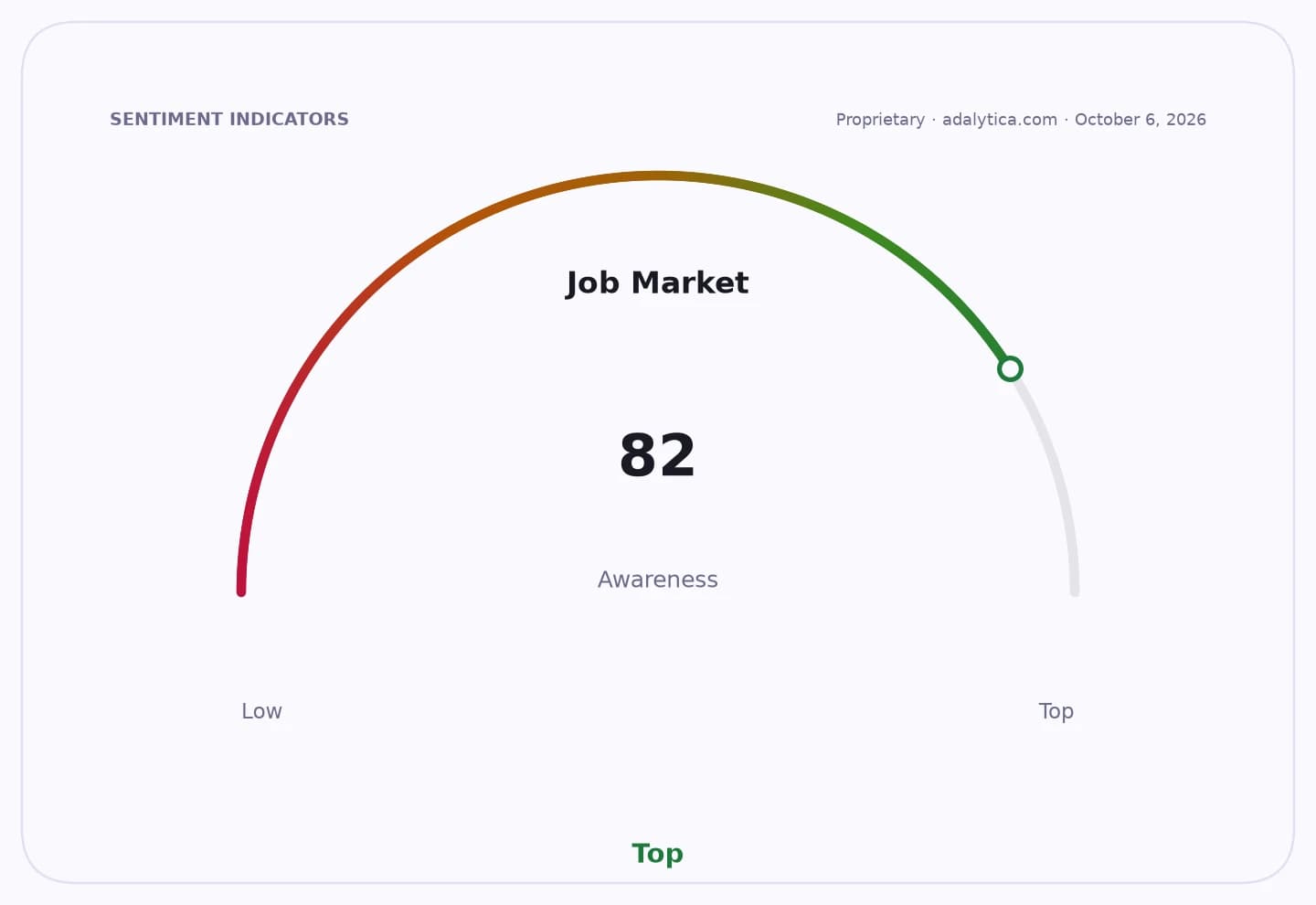
Sentiment IndicatorsⓘProprietary · adalytica.com · October 6, 2026
This is a snapshot — live sentiment, awareness and momentum for 130+ markets update continuously in the dashboard.Open AlphaPulse
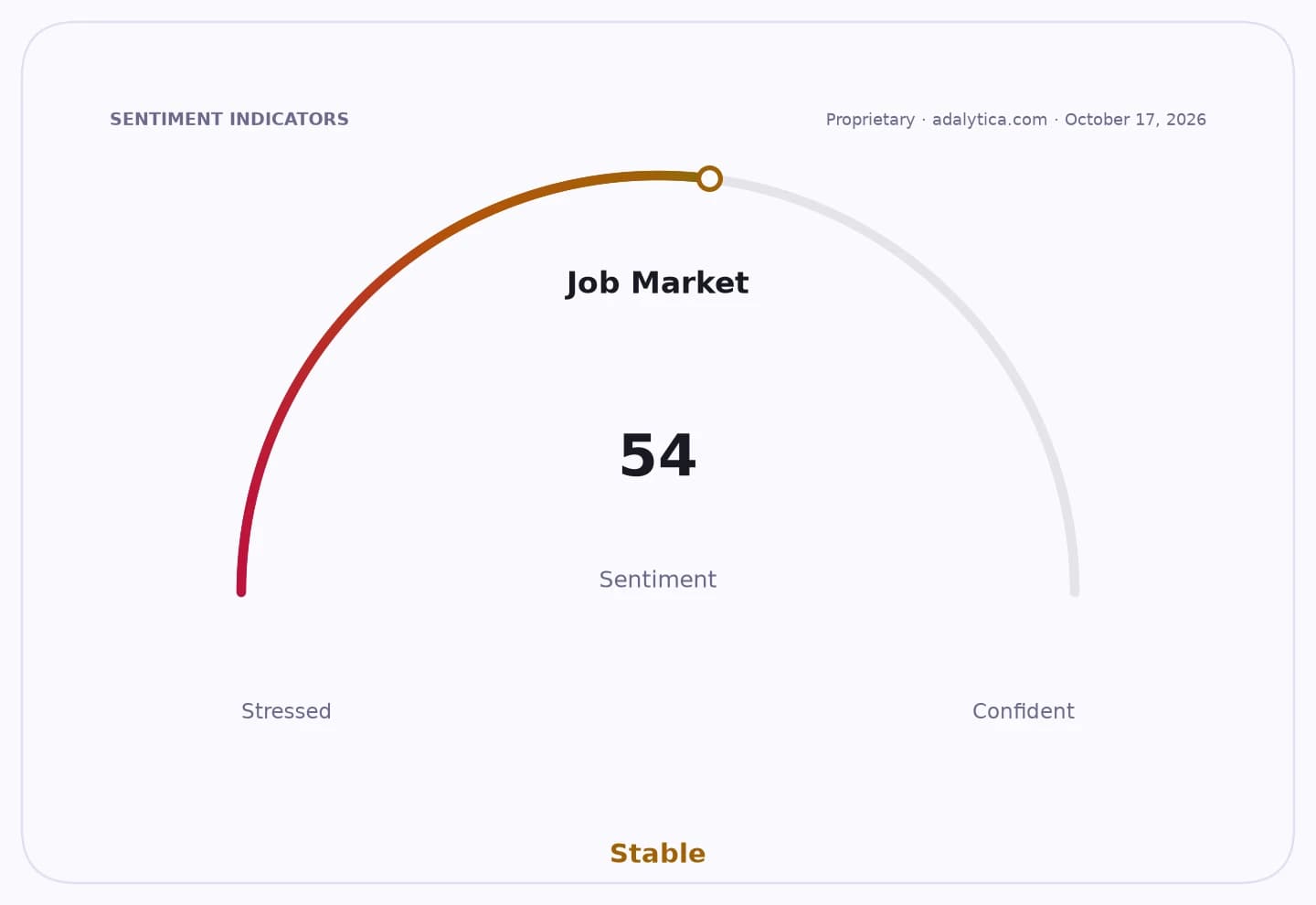
Recent labor data underscore why the “seller’s market” narrative persists. The job openings-to-applicants ratio stood at 1.18 in August, indicating there were still more vacancies than seekers, while the unemployment rate was 4.2% in September, only slightly above the prior month and still low by international standards. Nonfarm payrolls were also projected to edge higher, reinforcing the view that labor demand remains resilient.
That backdrop is feeding into education choices in a way that could have longer-term consequences for Japanese employers and universities alike. Schools that can place graduates quickly may gain an edge, while companies facing persistent hiring shortages may need to broaden recruiting beyond traditional technical tracks and offer more aggressive pay, training and retention packages.
For investors, the story is a read-through on consumption, staffing and the broader wage environment. A labor market that continues to favor job seekers can support household spending, but it also raises pressure on corporate margins, especially for employers already dealing with tight recruitment and higher labor costs.
The next test is whether the labor market stays balanced into the autumn hiring season and whether job openings continue to cool. If vacancies hold up, the case for liberal arts’ rising popularity is likely to strengthen; if hiring weakens, the current preference could fade quickly.
| Entity | Gains | Losses |
|---|---|---|
| Liberal arts universities | ▲More applicants | ▼Niche technical programs |
| Job seekers | ▲Stronger bargaining power | ▼Employers with staffing gaps |
| Employers | ▲Broader candidate pool | ▼Higher wage and hiring pressure |
| Households | ▲More career flexibility | ▼Students in less marketable majors |