Smith College’s latest job and internship fair underscores how colleges are becoming a crucial bridge between cautious employers and students trying to convert degrees into near-term work, with 49 employers and universities showing up to court more than 300 attendees.
Smith College job fair draws 49 employers
The event matters because the hiring market for entry-level talent remains uneven even as demand persists for internships, graduate programs and early-career roles. For students, especially first-years and sophomores, the fair is less about landing a dream job on the spot than building a pipeline of options in a labor market where employers are still selective and many candidates are unsure where to start. That is why Smith’s Lazarus Center is pushing students to develop a “plan A” and a “plan B” early, treating career exploration as part of academic planning rather than a last-minute job search.
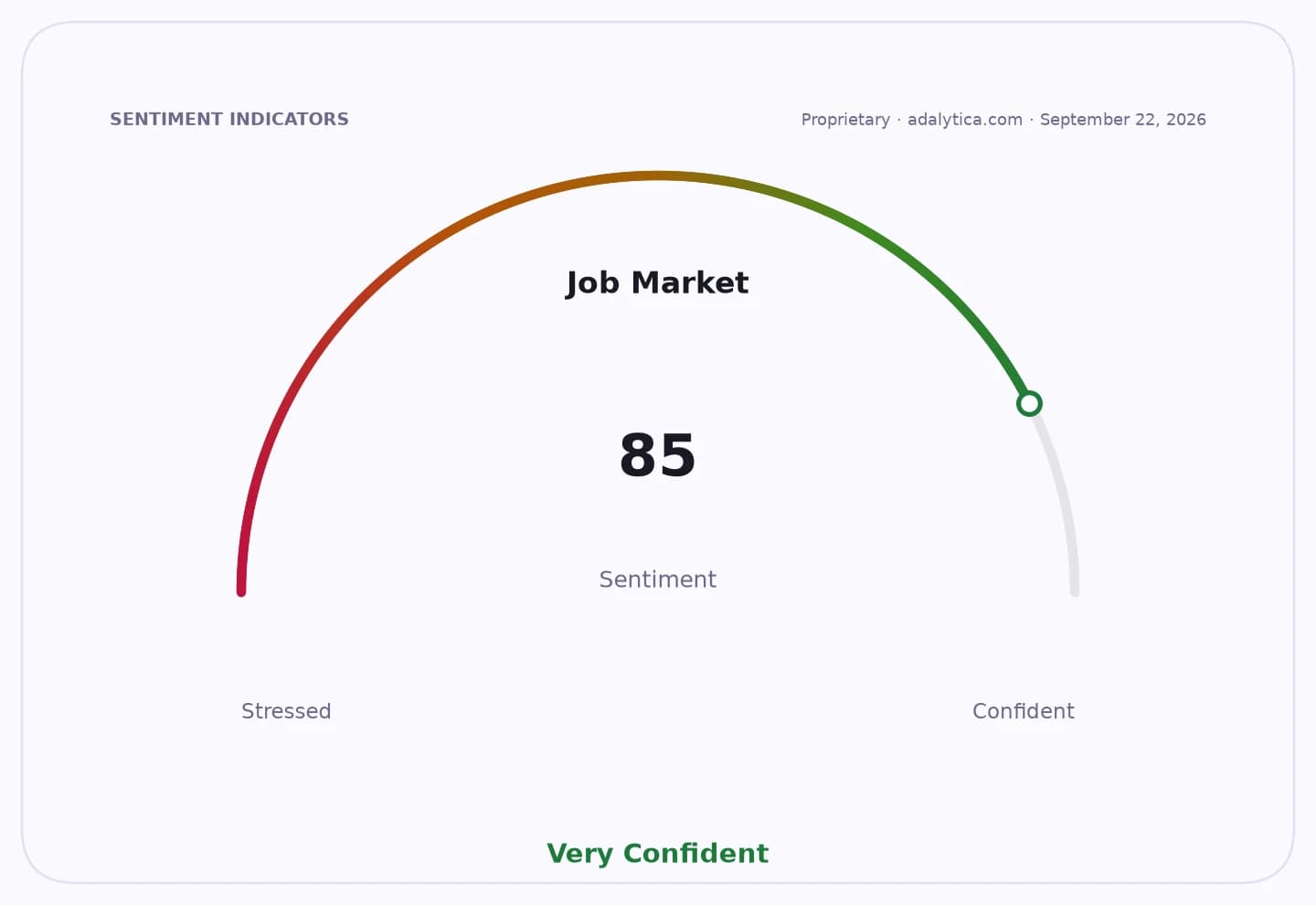
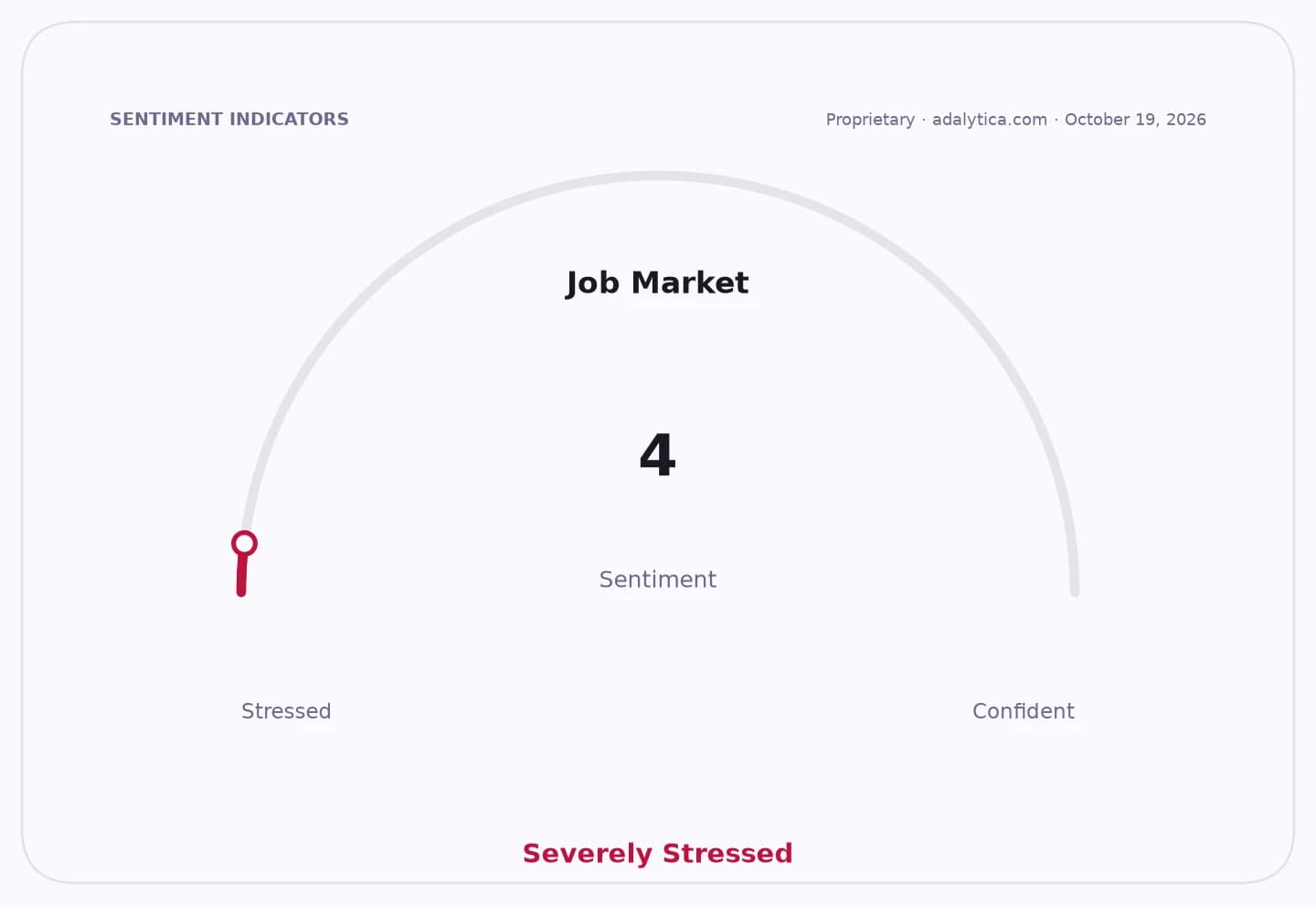
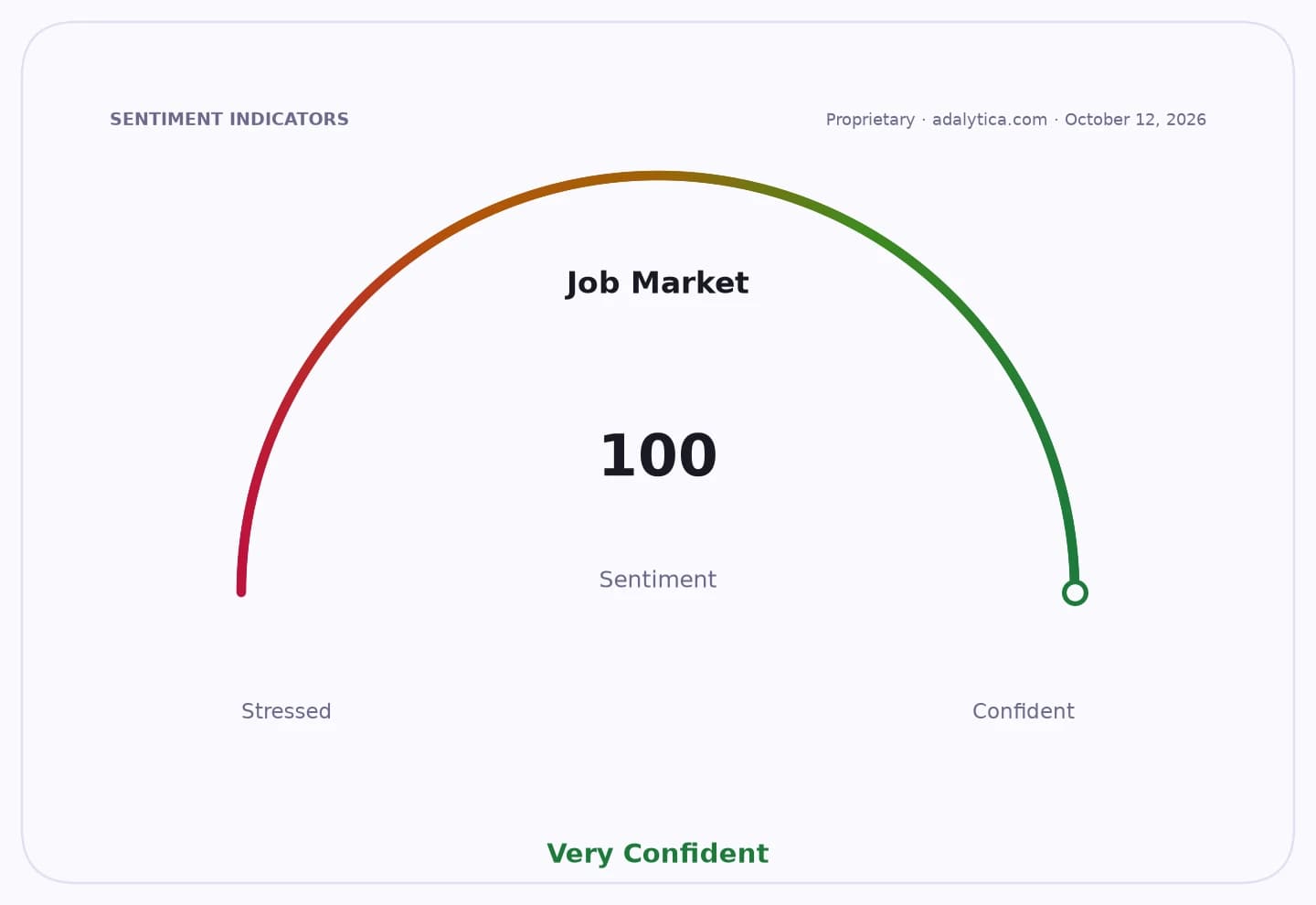
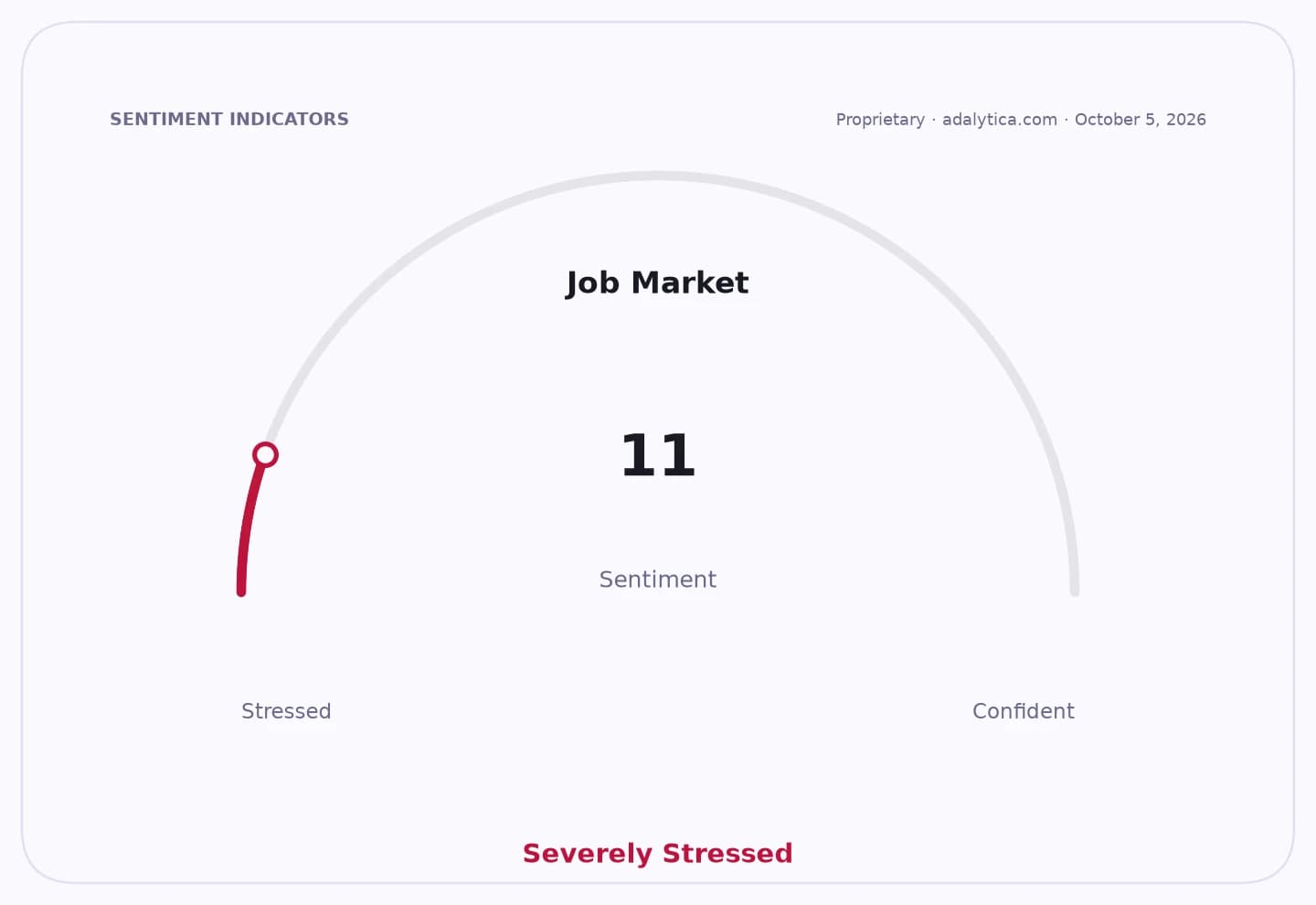
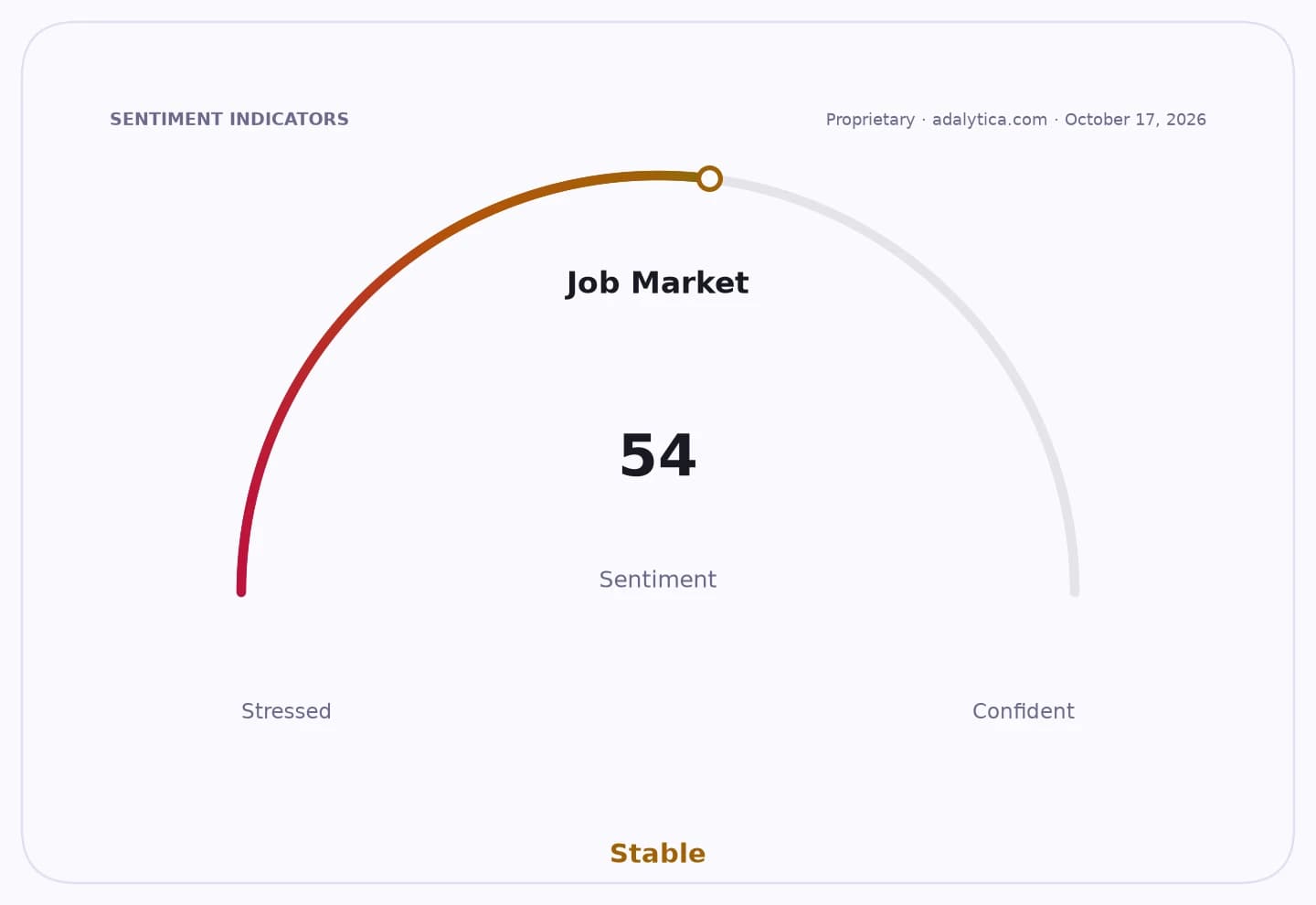
Sentiment IndicatorsⓘProprietary · adalytica.com · October 17, 2026
This is a snapshot — live sentiment, awareness and momentum for 130+ markets update continuously in the dashboard.Open AlphaPulse
The mix of participants — engineering firms, school districts, nonprofits and researchers — shows how campus recruiting is widening beyond traditional corporate pathways. That diversification matters economically because it reflects a labor market in which institutions are competing not just for talent, but for visibility among young workers weighing whether to enter the workforce immediately or continue to graduate study. For employers, showing up on campus is a relatively inexpensive way to secure future hires before broader competition intensifies.
Smith is also using the fair to reduce frictions that often keep students from engaging. The new “Ask an Adviser” area points to a familiar problem in early-career hiring: many students do not lack opportunity so much as confidence and information. The school is trying to turn a single event into a recruiting funnel, with follow-on fairs already scheduled in late October and February to keep the pipeline active across the academic year.
The story is not about a single hiring surge, but about how selective recruitment is becoming more organized and more deliberate at elite liberal arts colleges. Emma Haims’s path from a booth conversation to a research job at Boston Children’s Hospital illustrates the payoff for students who move early, while sponsors such as CapYear are betting that repeated exposure can shape career preferences before graduation.
For investors and employers, the broader signal is that campus-based talent acquisition remains important in a labor market where the first job is often won through access, coaching and repeated contact rather than open-market applications. If demand for skilled early-career workers holds up, colleges with strong employer networks may gain an edge in placement outcomes, alumni pipelines and partnership funding.
| Entity | Gains | Losses |
|---|---|---|
| Smith College students | ▲More employer access | ▼Less reliance on open-market search |
| Employers at the fair | ▲Early talent pipeline | ▼Higher recruiting competition |
| Smith College / Lazarus Center | ▲Stronger placement outcomes | ▼More career-services pressure |
| Students without campus access | ▲Fewer opportunities | ▼Weaker recruiting visibility |