Rising mortgage rates are forcing Japanese homeowners to rethink whether early repayment still makes sense, even as the interest burden on 30 million yen loans grows and monthly payments become harder to manage.
Japan mortgage prepayment math shifts as rates rise
For a borrower with a 30 million yen mortgage at 1.5% over 30 years, a 3 million yen prepayment can cut the monthly bill by about 10,000 yen and reduce total interest by roughly 720,000 yen, according to the calculations in the source material. But the trade-off is no longer straightforward: the same prepayment can also reduce mortgage tax deductions by as much as 21,000 yen a year, based on the current 0.7% deduction rate.
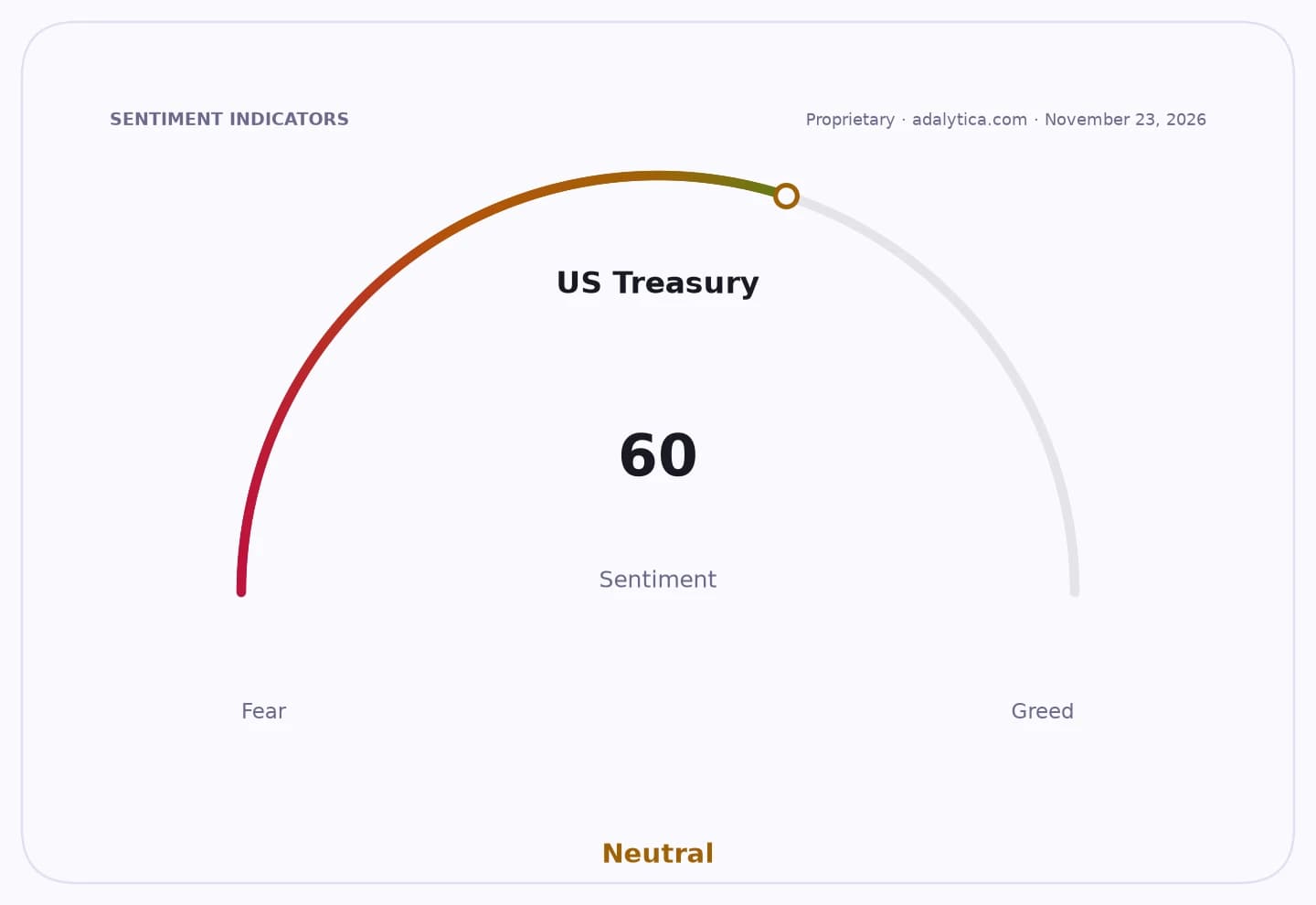
Sentiment Indicators
That tension is becoming more relevant as variable home-loan rates in Japan keep rising. A separate market context shows the yen has strengthened while U.S. and Japanese rate expectations remain elevated, with the Bank of Japan having raised its policy rate to 1.25% and further tightening expected by March 2027. Higher borrowing costs typically flow through to mortgage pricing, putting more pressure on household cash flow and making debt decisions more sensitive to future rate moves.
Investors care because Japan’s higher-rate environment can reshape consumer spending, bank lending margins and demand for housing finance products. Homeowners who choose to prepay may reduce future interest income for lenders, while those who keep debt in place preserve liquidity but remain exposed to rate risk if mortgage costs climb further.
The practical answer depends on household priorities. Early repayment still lowers the outstanding balance and trims interest, but the “best” choice now hinges on whether the value of the mortgage deduction and the potential return on invested cash can beat the guaranteed savings from reducing debt.
The key catalyst is whether Japanese mortgage rates continue to rise through 2027, which would make fixed borrowing costs and prepayment math even more important for households and for banks that rely on home-loan growth.
| Entity | Gains | Losses |
|---|---|---|
| Homeowners who prepay | ▲Lower interest cost | ▼Less tax deduction |
| Homeowners who invest cash | ▲Liquidity and market upside | ▼More rate exposure |
| Banks and lenders | ▲Higher loan yields on existing mortgages | ▼Slower prepayment income |
| Housing buyers | ▲None | ▼Higher monthly payments |