Japan’s closer military alignment with NATO is becoming more than a diplomatic gesture — it is part of a wider reordering of defense spending, procurement and strategic supply chains that is lifting U.S. and allied contractors while underscoring how persistent geopolitical risk has become for investors.
Japan-NATO alignment lifts Lockheed, Northrop and RTX shares
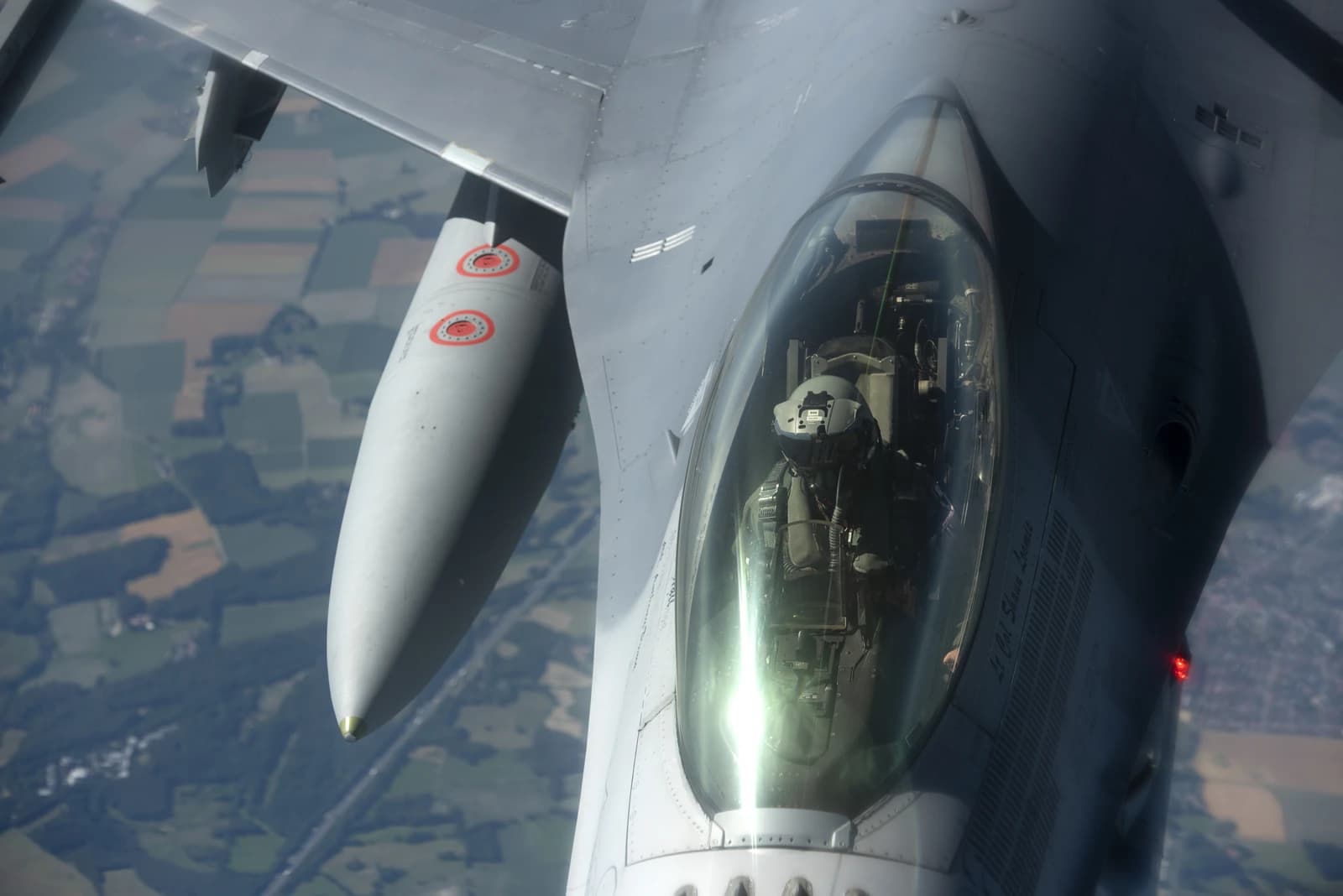
The immediate significance is simple: governments are treating the security environment as structurally worse, not temporarily noisy. With China asserting itself across the Indo-Pacific, North Korea continuing missile tests and Russia still absorbed in its war in Ukraine, NATO and Japan are tightening coordination on intelligence, cyber defense, maritime security and military interoperability. That means more long-dated budgets, more joint exercises and, eventually, more orders for the companies that build the hardware, software and munitions behind the alliance.
Sentiment IndicatorsⓘProprietary · adalytica.com · August 4, 2026
This is a snapshot — live sentiment, awareness and momentum for 130+ markets update continuously in the dashboard.Open AlphaPulse
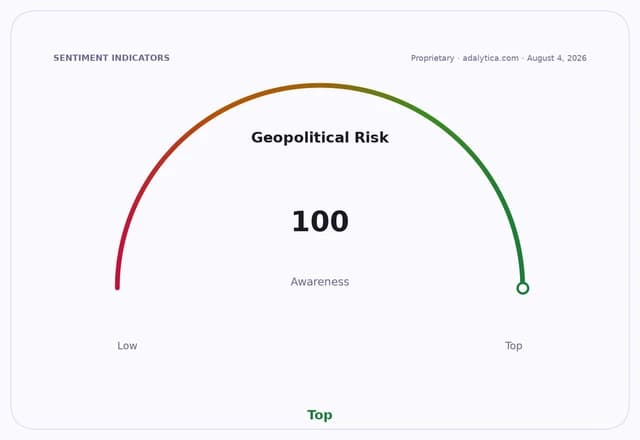
For investors, that matters because defense demand is increasingly supported by policy rather than the economic cycle. Unlike consumer spending or industrial capex, military procurement tends to rise when world leaders conclude they must spend now to deter conflict later. That creates the kind of secular growth story markets like: recurring demand, high barriers to entry and multi-year backlogs.
The clearest public-market beneficiaries remain the large U.S. primes. Lockheed Martin, Northrop Grumman and RTX sit at the center of that spending cycle, and their share prices have reflected it. Lockheed Martin has climbed to about $588.58, up sharply from around $496 in late October, while Northrop Grumman has rallied to roughly $550.98 from about $565 in early September and has staged a major rebound from spring weakness. RTX, meanwhile, has advanced to about $217.41 from roughly $150 in September, a reminder that defense names can rerate quickly when investors decide earnings visibility is improving.
The technical picture backs that up, though it also hints at stretched sentiment. Lockheed is trading well above its 50-day moving average, with its RSI above 80, which usually means the stock has run hard and may need time to consolidate. Northrop and RTX also sit comfortably above their 50-day and 200-day moving averages. For long-term investors, that is less a warning to flee than a signal to be patient and disciplined about entry points.
The broader investment case here is not about one summit or one headline. It is about a world where alliances are hardening, procurement is accelerating and governments are increasingly willing to pay for deterrence. That can support defense stocks for years, especially for companies with exposed missile-defense, surveillance, space and command-and-control franchises.
There are risks, of course. Defense budgets can be lumpy, contract timing can shift, and valuations can get ahead of fundamentals when enthusiasm builds. But the underlying message from NATO and Japan is hard to ignore: security spending is no longer discretionary in the way many investors once assumed. For patient shareholders, that makes the sector worth keeping on a long-term watchlist, and for diversified portfolios it strengthens the case for holding the best-run defense names through the cycle.
| Entity | Gains | Losses |
|---|---|---|
| NATO defense contractors | ▲More procurement demand | ▼Few near-term valuation bargains |
| Japan and U.S. allies | ▲Stronger deterrence | ▼Higher defense budgets |
| China, North Korea, Russia | ▲Strategic focus on rivals | ▼Greater military pressure |
| Long-term defense investors | ▲Better earnings visibility | ▼Risk of overpaying after rallies |