Japan says it may exhaust its yttrium stocks within months, underscoring how China’s rare earth controls are starting to bite beyond headline commodities and into the supply chains for chips, jet engines and defense equipment.
Japan Says Yttrium Stocks May Run Low in Months
The warning matters because yttrium is a small-input, high-impact material used to coat jet engine parts and plasma etching tools in semiconductor production. With Japan’s downstream industries relying on imports from China and U.S. defense supply chains depending on Japanese components that contain yttrium, a shortage would ripple well past Tokyo and into global manufacturing.
Sentiment Indicators
Japanese officials and trading company executives told the Financial Times that inventories are thinning fast and that conservation efforts have nearly reached their limit. One official said the issue is now measured in months, not years, and could become a “systemic risk” to the global economy if Western governments and companies fail to secure alternate supply or rebuild stockpiles.
The price move highlights the strain. Outside China, yttrium oxide has surged to $1,150 per kilogram, about 179 times its level two years ago, according to Argus, while domestic Chinese prices remain around $9 a kilogram. That gap points to a market distorted by export restrictions, with non-Chinese buyers paying up for scarce material and Chinese end users shielded by local supply.
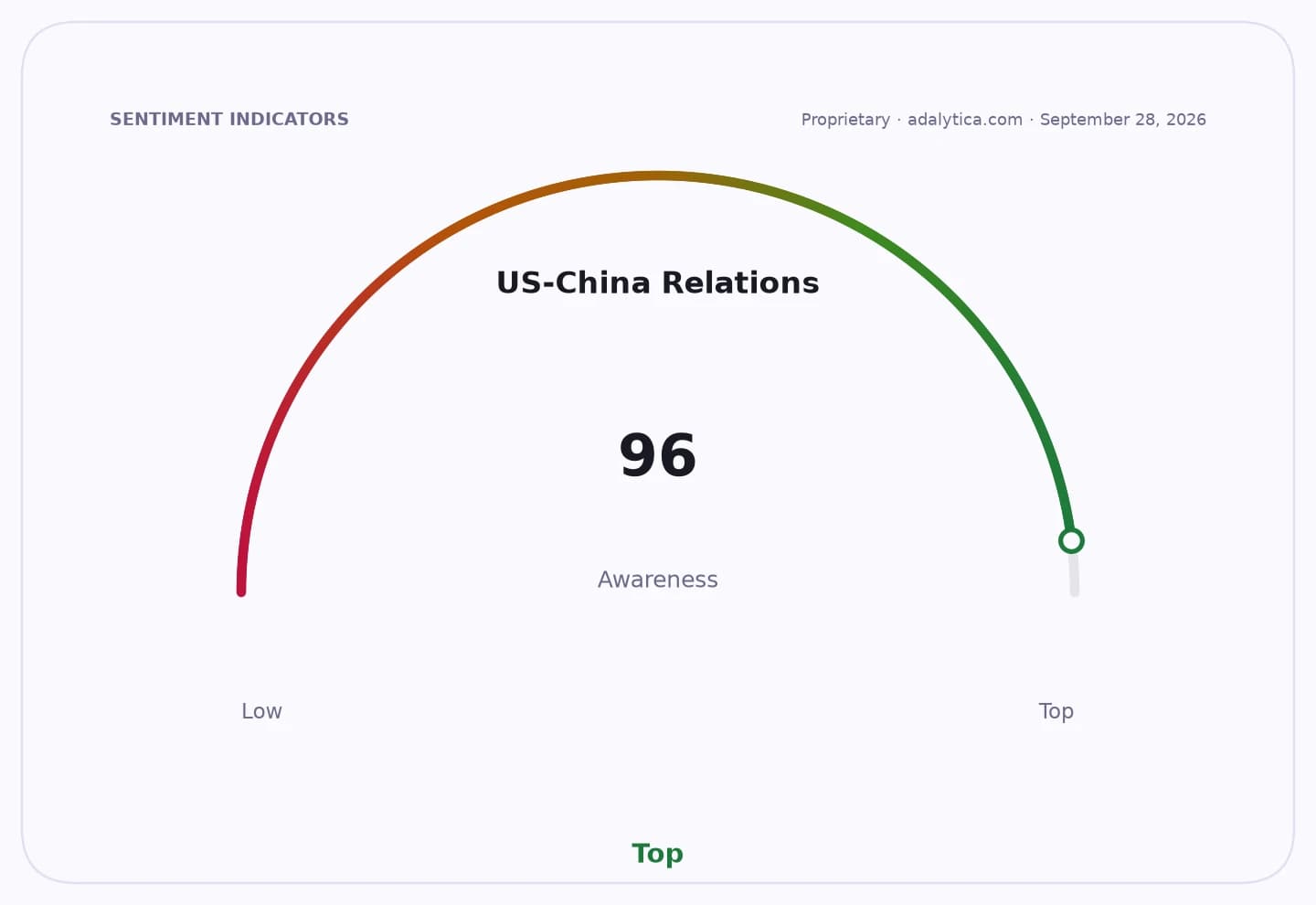
The shortage has also become a diplomatic lever. Japan has asked Washington to press Beijing to ease the controls, and U.S. and Japanese officials have already formed a “rapid response group” on critical minerals. The talks come as the Trump administration complains China has not fully honored commitments to relax rare earth restrictions, even after the leaders’ trade truce and subsequent meetings.
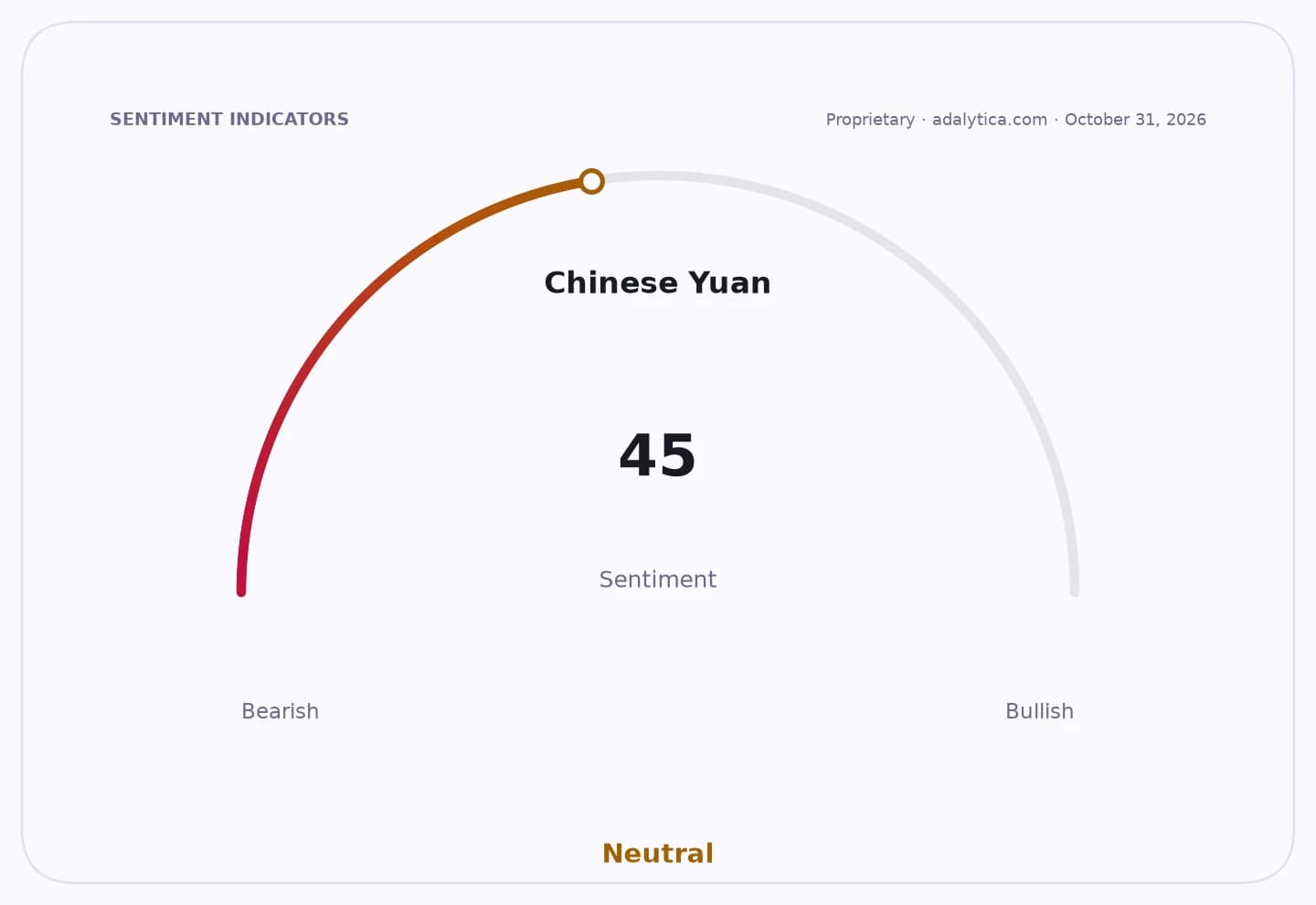
Investors are likely to treat the episode as another reminder that rare earths remain a geopolitical choke point, not just a mining story. That is constructive for producers and processors outside China, but it raises near-term execution risk for manufacturers in aerospace, semiconductors and defense that need stable supply more than higher prices.
For markets, the key question is whether Washington and Tokyo can secure enough material or alternative sourcing before inventories run down further. If they cannot, the impact could spread from rare earth pricing into production schedules, export deals and, eventually, earnings guidance across multiple industrial sectors.
| Entity | Gains | Losses |
|---|---|---|
| China | ▲Export leverage | ▼Trust with buyers |
| Japan | ▲Diplomatic urgency | ▼Yttrium inventories |
| U.S. rare earth suppliers | ▲Higher pricing power | ▼If supply shock deepens |
| Aerospace/semiconductor makers | ▲Longer-term supply diversification | ▼Near-term production risk |