The Johor-Singapore Special Economic Zone has already pulled in 88.83 billion ringgit, or $21.8 billion, in approved investments, giving the cross-border project its first real evidence of scale and making it one of Southeast Asia’s most closely watched growth platforms.
Johor-Singapore SEZ Draws 88.83 Billion Ringgit
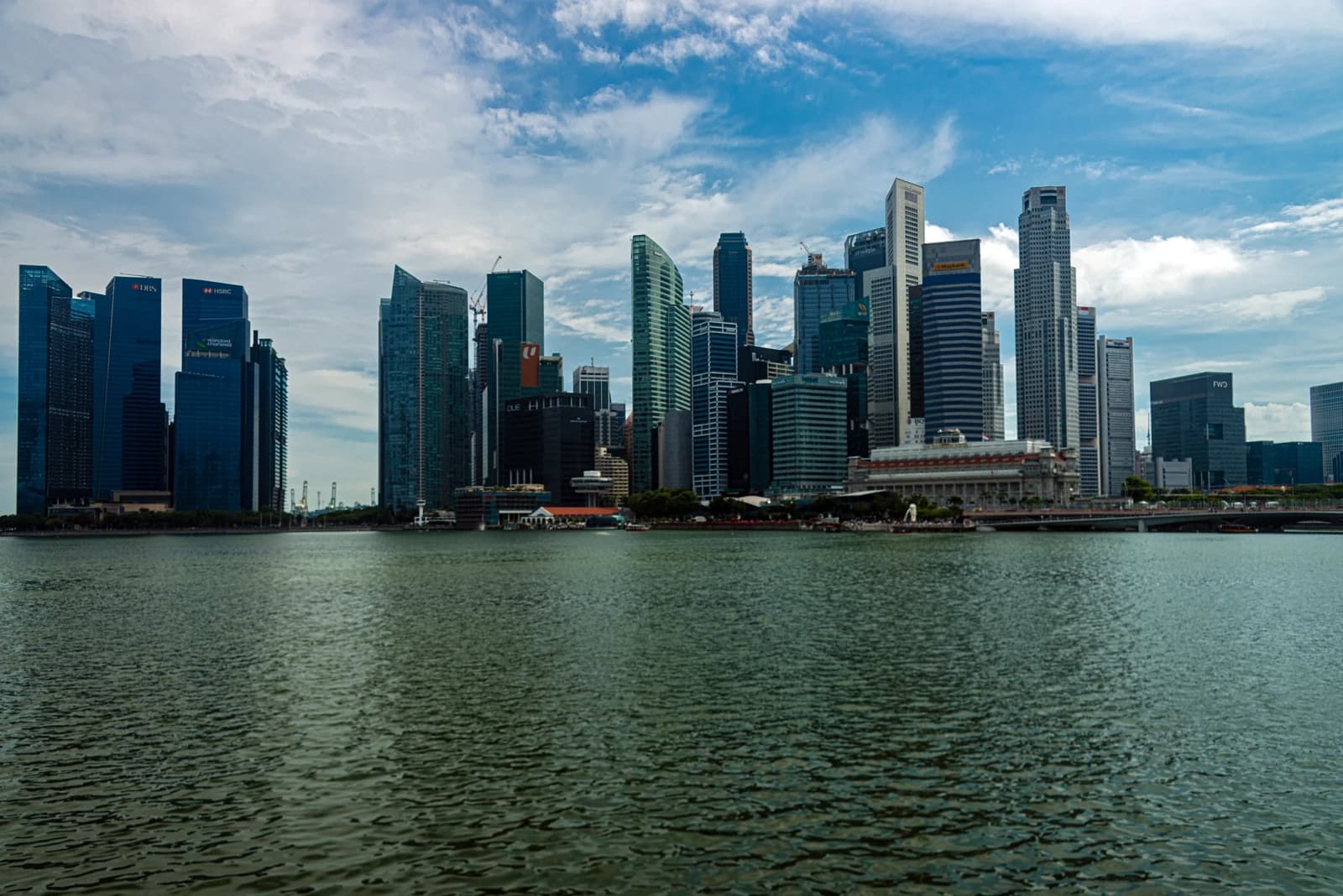
That matters because the zone is not just a policy headline; it is a bet that combining Johor’s land and lower operating costs with Singapore’s financial, logistics and infrastructure strengths can unlock a new manufacturing-and-services corridor at a time when global capital is chasing resilient supply chains and regional diversification. Of the approved projects, about 45% — 40.3 billion ringgit — has already been implemented, according to the two governments, a sign this is moving beyond paper commitments into tangible capex.
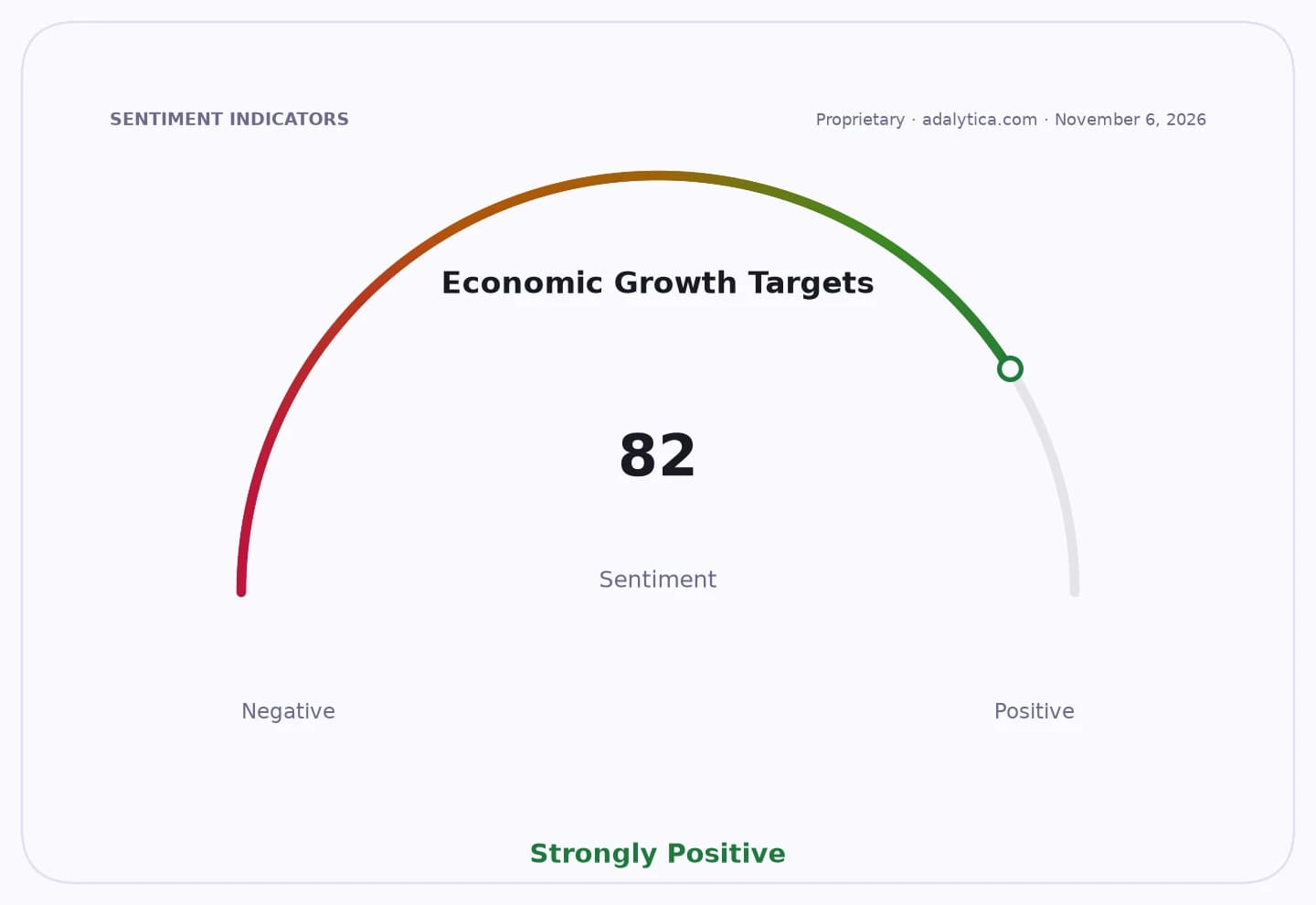
Sentiment Indicators
The projects are expected to create 28,755 jobs, including 12,796 from investments already underway. For Malaysia, that means a direct boost to southern Johor’s industrial base, labor market and land values. For Singapore, it strengthens the case for its role as the capital, financing and services hub anchoring production just across the border. The zone effectively turns geography into an investment thesis: a lower-cost operating base on one side, high-value decision-making and financial services on the other.
The first meeting of the Johor-Singapore Cooperation Ministerial Committee in Singapore on Monday was more than ceremonial. It signals both governments want to accelerate approvals, infrastructure linkages and cross-border coordination before momentum fades. In a region where investors are increasingly sensitive to execution risk, the speed of implementation will matter more than the size of the announcement.
For investors, the key point is that this corridor could become a long-duration beneficiary of industrial relocation, data infrastructure, logistics and real estate development across Southeast Asia. The immediate winners are likely to be companies with exposure to land, construction, utilities, transport and business services in southern Malaysia and Singapore. Banks and capital markets firms with regional franchise strength also stand to gain if the zone keeps attracting foreign direct investment and project finance.
The market may still be underestimating how important this becomes if the approved pipeline keeps converting into operating assets. If the Johor-Singapore zone continues to deliver implemented projects at roughly this pace, it could evolve into a durable magnet for supply-chain realignment, and early investors in the ecosystem may capture the biggest upside.
| Entity | Gains | Losses |
|---|---|---|
| Johor developers and contractors | ▲More industrial buildout | ▼Land scarcity pressure |
| Singapore financial and logistics firms | ▲More cross-border activity | ▼Lower-margin competition |
| Malaysia’s southern economy | ▲Jobs and capex inflows | ▼Execution and infrastructure burden |
| Rival regional hubs | ▲— | ▼Investment share and FDI flow |