US banking shares are extending a powerful advance, with JPMorgan Chase, Bank of America and Wells Fargo all trading well above their 50-day moving averages as investors continue to favor lenders with strong balance sheets, robust capital generation and a still-supportive earnings backdrop.
JPMorgan, Bank of America, Wells Fargo Trade Above 50-Day Averages
The move matters because the biggest US banks sit at the center of credit creation, capital-market activity and household lending. When money-center lenders rally together, it usually reflects confidence that the economy can absorb higher-for-longer rates, that loan losses remain contained and that regulators are not about to force a sharp pullback in dividends, buybacks or balance-sheet growth.
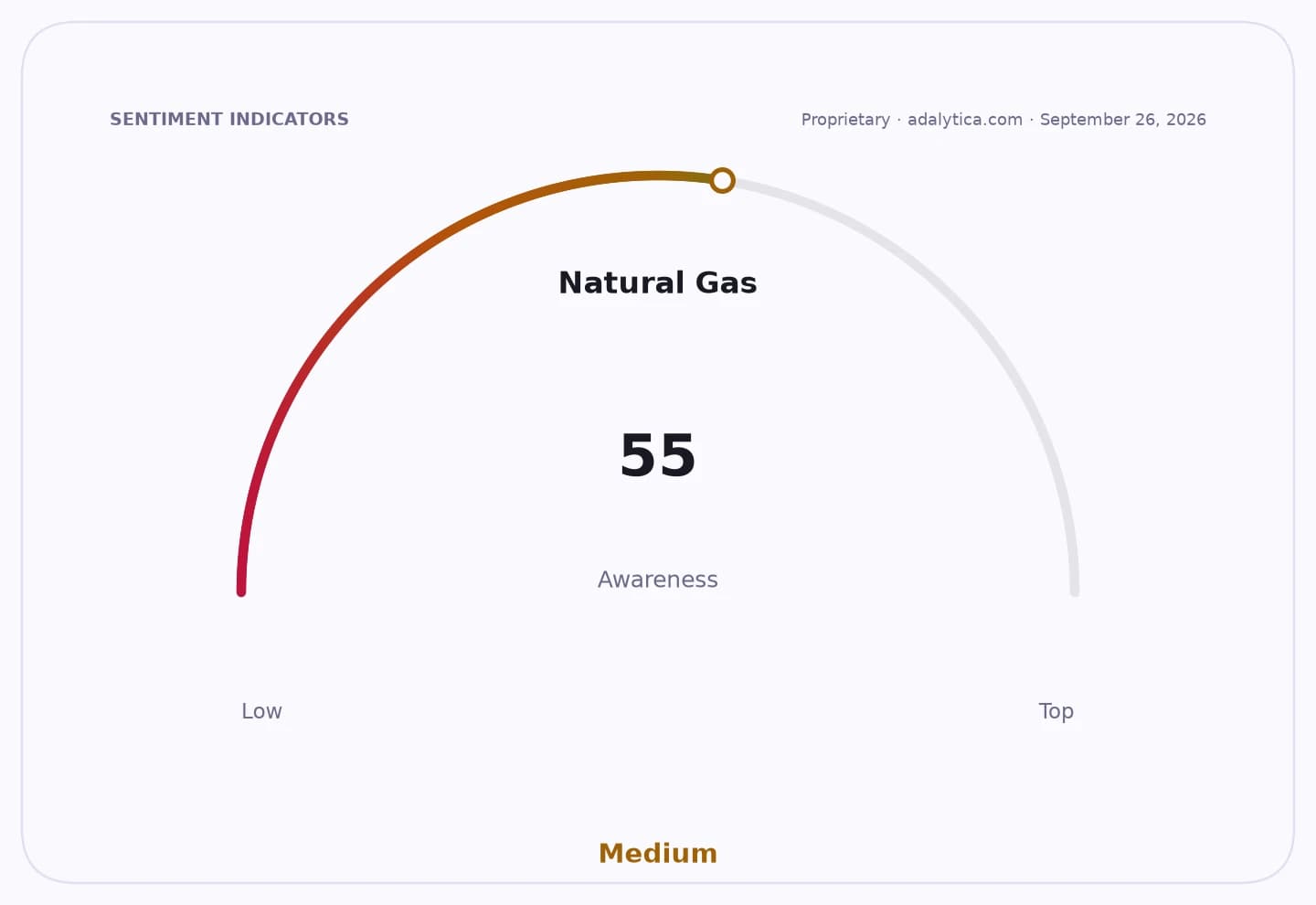
Sentiment IndicatorsⓘProprietary · adalytica.com · August 11, 2026
This is a snapshot — live sentiment, awareness and momentum for 130+ markets update continuously in the dashboard.Open AlphaPulse
JPMorgan Chase closed at $359.79 on Monday, up from $356.30 on Aug. 6 and nearly 20% above its 50-day moving average of $333.57. Bank of America ended at $63.86, also above its 50-day average of $58.62, while Wells Fargo finished at $87.52 versus a 50-day average of $84.36. JPMorgan’s relative strength has been the clearest, but the broader tape shows investors still paying up for the sector’s earnings power.
The technical picture is firm across the group. JPMorgan’s RSI reading of 66 suggests momentum remains strong without being deeply overextended, while Bank of America’s RSI of 69.1 and Wells Fargo’s 51.1 show a more mixed but still constructive setup. On JPMorgan’s chart, the stock is hovering near the upper end of its Bollinger Band range, while Bank of America sits just below its own upper band, underscoring how much of the recent demand has already been absorbed.
Fundamentally, the banks are still benefiting from the combination of healthier trading activity, resilient consumer credit and management teams that have kept capital ratios tight enough to support shareholder returns. Recent 10-Q filings from JPMorgan, Bank of America and Wells Fargo all emphasized capital management and liquidity planning, a reminder that the sector’s current bid is tied as much to balance-sheet strength as to earnings momentum.
That backdrop is helping financial stocks outperform even as broader market gauges flash enthusiasm. Adalytica’s S&P 500 trade signals show “Extreme Greed,” while the US dollar also reads “Extreme Greed,” a combination that often favors large banks with strong deposit franchises and access to capital markets.
For investors, the near-term question is whether the rally can keep going without a fresh catalyst such as another strong earnings season, clearer Fed guidance or a pickup in deal activity. For now, the market is telling a simple story: the largest US lenders still look like one of the cleaner ways to own economic resilience.
| Entity | Gains | Losses |
|---|---|---|
| JPMorgan Chase | ▲Momentum and valuation premium | ▼Short sellers |
| Bank of America | ▲Repricing toward sector strength | ▼Buyers seeking pullbacks |
| Wells Fargo | ▲Catch-up rally | ▼Bears on bank earnings |
| Broader financial sector | ▲Capital-return optimism | ▼Defensive rotation trades |