Bank trust businesses are emerging as one of the most important profit engines in U.S. banking, with gains in asset management, wealth and ETF-linked fees helping lift earnings even as interest-rate gains start to normalize.
JPMorgan, BofA, Wells Grow Wealth and ETF Fees

The biggest story for investors is not just that trust profits are rising — it is that the mix of growth is shifting toward fee-based, capital-light revenue that can compound through market cycles. JPMorgan Chase, Bank of America and Wells Fargo all showed solid improvement in wealth and asset-management lines in their latest filings, underscoring how the industry is leaning harder on ETFs, client assets and advisory fees as a structural earnings driver.
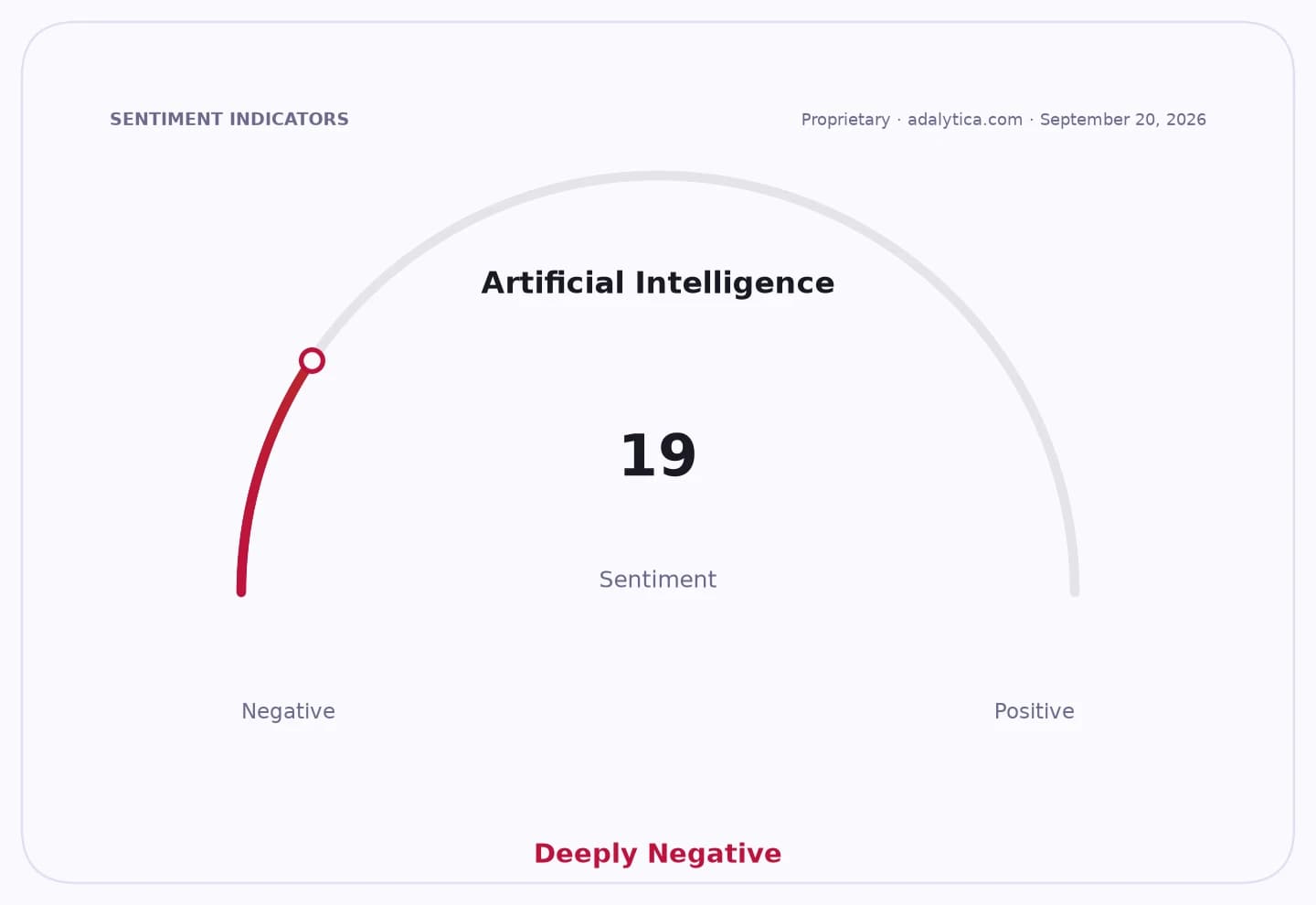
Sentiment IndicatorsⓘProprietary · adalytica.com · August 31, 2026
This is a snapshot — live sentiment, awareness and momentum for 130+ markets update continuously in the dashboard.Open AlphaPulse
That matters economically because it makes bank profits less dependent on the spread between lending rates and funding costs. The 10-year Treasury yield has hovered around 4.6% in late August, while the Fed funds rate remains at 3.63%, a backdrop that supports bank net interest income but also keeps capital markets and cash-management clients active. At the same time, crude oil near $83.9 a barrel and a firm U.S. dollar point to a still-uneven macro environment, one in which wealthy clients, corporates and institutions are more likely to park money in managed products and ETFs than leave it idle.
For investors, that is the key re-rating opportunity. ETF sales are a toll road: once assets are gathered, banks collect recurring fees with limited incremental capital. JPMorgan’s asset-management revenue rose 23% in the quarter to $3.3 billion, while Bank of America’s wealth and investment management unit added $420 million in profit. Wells Fargo also continues to benefit from fee-bearing client activity as it rebuilds its franchise. The message is clear: the banks with the strongest distribution networks and deepest wealth platforms are best positioned to turn market volatility into durable fee growth.
The market is still largely treating banks as cyclical lenders, but the better thesis is that the leading franchises are becoming hybrid financial platforms, combining classic credit earnings with sticky asset-gathering businesses. That gives JPMorgan, Bank of America and Wells Fargo a second engine of growth just as loan demand, deposit pricing and the rate cycle become less predictable.
If trust profits are already up 85% in a year, the next leg may come from scale. As assets move into ETFs, managed accounts and advisory products, the winners are likely to be the banks with the best brand, the lowest cost of distribution and the broadest reach into retail and institutional money. For investors, that argues for owning the strongest U.S. money-center banks before the market fully prices in the compounding power of fee income.
| Entity | Gains | Losses |
|---|---|---|
| JPMorgan Chase | ▲Higher asset-management fees | ▼Rate-cycle dependence |
| Bank of America | ▲Wealth profit growth | ▼Low-fee deposit spread model |
| Wells Fargo | ▲Rebuilt fee franchise | ▼Pure lending revenue |
| ETF providers / bank distributors | ▲Sticky recurring fees | ▼Cash parked in low-yield accounts |