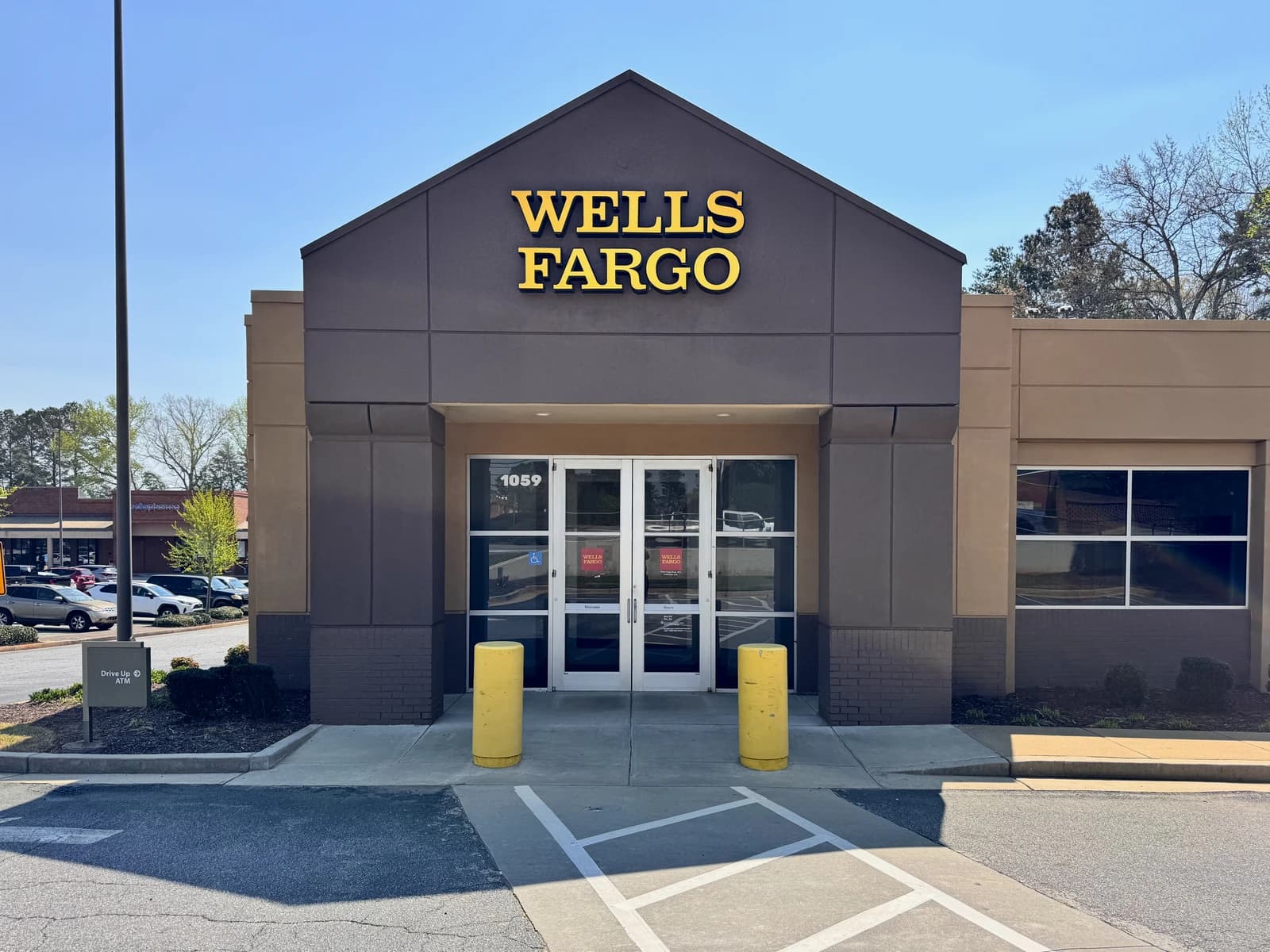
Wells Fargo is one of the clearest beneficiaries of the Federal Reserve’s latest rate increase, and that matters because the bank makes a lot of its money from the spread between what it earns on loans and what it pays on deposits.
Wells Fargo Benefits From Higher Fed Rates
The bank has said in recent filings that higher rates should lift its net interest income because assets reprice faster than liabilities. That is exactly the kind of environment Wells Fargo wants after years of pressure on bank margins, and it helps explain why management is sticking with a roughly $50 billion net interest income target and a 17% to 18% return on tangible common equity goal.
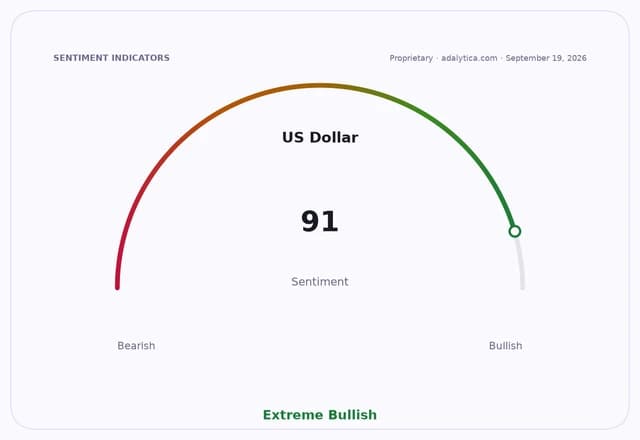
Sentiment IndicatorsⓘProprietary · adalytica.com · September 19, 2026
This is a snapshot — live sentiment, awareness and momentum for 130+ markets update continuously in the dashboard.Open AlphaPulse

The bigger story for investors is that this is not just a one-quarter boost. Wells Fargo has been seeing stronger credit growth, with average loans up about 12% in the second quarter from a year earlier, helped by card, auto and corporate lending. If the Fed’s higher-for-longer stance holds, the bank can keep widening the earnings engine that powers long-term compounding.
There is, of course, a trade-off. Higher borrowing costs can cool demand and eventually weigh on loan growth, especially in rate-sensitive parts of the economy. But Wells Fargo’s business mix is built to benefit when rates rise, and the latest increase in its prime rate to 7% should support that trend, even if it also makes some customers more cautious.
The stock market seems to agree with the long-term setup, even if the shares have pulled back from recent highs. Wells Fargo has spent much of the past year rebuilding momentum, with the stock recently moving back above its 50-day moving average before easing lower. That kind of consolidation is normal after a strong run, and for patient investors it can create a better entry point into a bank with leverage to a stronger rate environment.
In the end, the important question is not whether one Fed move helps Wells Fargo — it does — but whether the bank can turn a favorable rate backdrop into durable earnings growth. On that score, the combination of higher loan demand, stronger net interest income and a still-healthy capital return story makes Wells Fargo worth keeping on the watchlist for long-term investors.
| Entity | Gains | Losses |
|---|---|---|
| Wells Fargo | ▲Wider net interest margin | ▼Borrowers facing higher rates |
| Fed higher rates | ▲Bank earnings power | ▼Rate-sensitive loan demand |
| Wells Fargo shareholders | ▲Better profit growth | ▼Near-term price volatility |
| Borrowers and consumers | ▲— | ▼Higher prime-linked costs |