JR Kyushu’s first decade on the Tokyo Stock Exchange is now a case study in how a regional railway can turn itself into a broader property and retail company.
JR Kyushu sales top 500 billion yen by FY2026
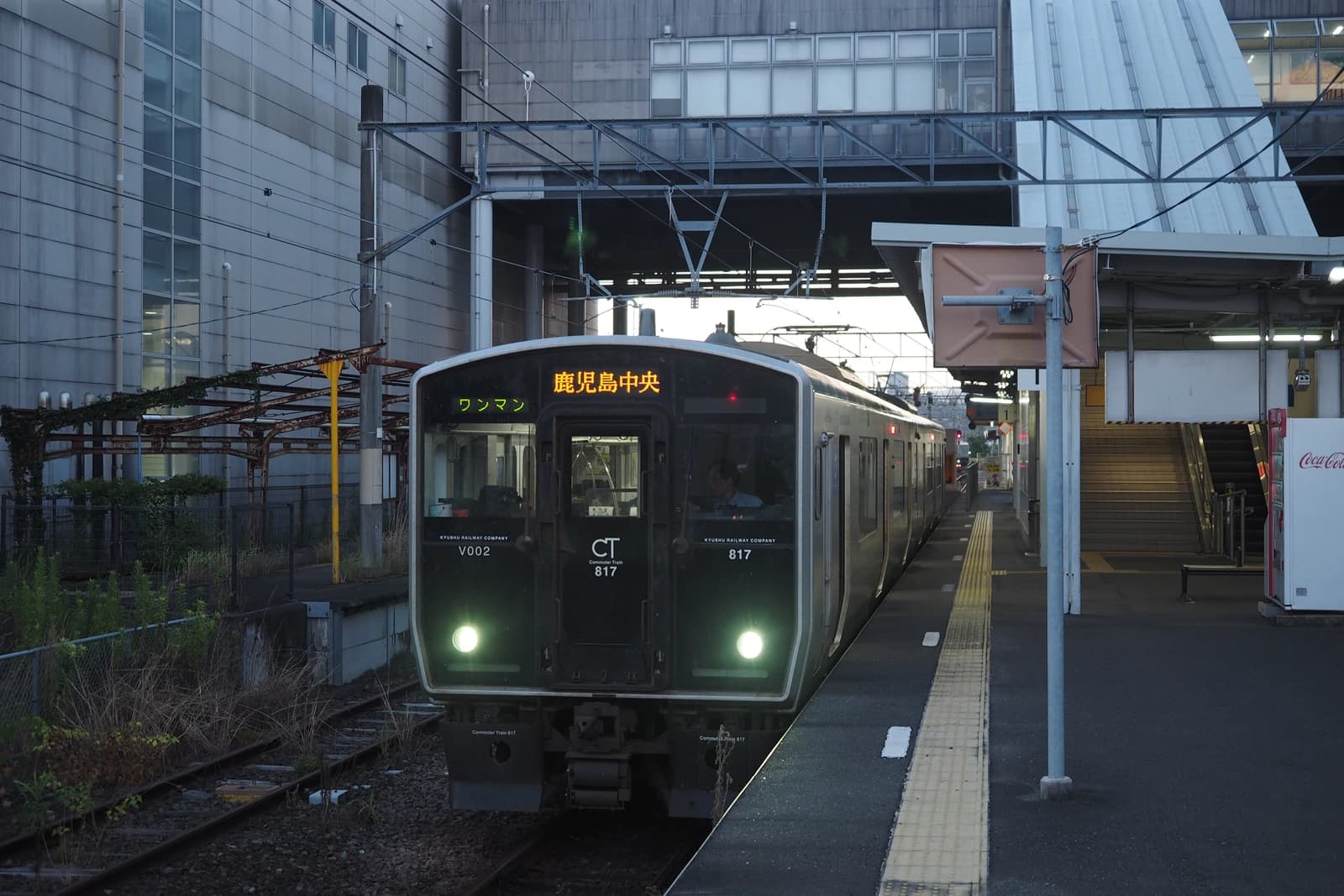
The operator has lifted annual consolidated sales to more than 500 billion yen for the fiscal year ending March 2026, helped by station buildings, condominium development and other non-rail businesses that now account for about 60% of revenue. That matters because it reduces dependence on a rail network still burdened by unprofitable local lines, while giving the company a steadier earnings base as Japan’s demographic decline and changing commuting patterns pressure traditional passenger demand.
Sentiment Indicators
When JR Kyushu floated in October 2016 at an offer price of 2,600 yen, more than 80% of sales came from rail operations. Since then, the mix has shifted sharply. Rail revenue still generated 188.8 billion yen of the company’s 500.3 billion yen in sales, but the growth engine has clearly moved to real estate-linked businesses that monetise land, stations and urban development around the network.
The company’s strategy was stress-tested during the pandemic. JR Kyushu had been aiming for record operating profit in rail in fiscal 2020, only for Covid to crush ridership and delay any return to pre-pandemic traffic levels as more workers stayed home. Yet the expansion of property and other non-rail income helped the company swing back to profit in fiscal 2022, showing investors that the group’s valuation is no longer tied solely to train fares.
That diversification has been rewarded in the market. JR Kyushu’s shares have traded well above the 2,600 yen listing price, reflecting confidence that the company can keep generating cash from assets it already controls rather than relying on traffic growth alone. Management is targeting 600 billion yen in consolidated sales by fiscal 2031, a goal that will require continued development income as well as progress on digital transformation to improve efficiency across the rail network.
For investors, the key question is whether property-led growth can keep offsetting structural weakness in regional rail. The bull case is that JR Kyushu has built a more resilient earnings model with recurring real estate income and better capital productivity. The bear case is that Japan’s shrinking population will continue to weigh on passenger volumes, limiting upside in the core transport business and leaving growth more exposed to the property cycle.
The next phase will depend on whether JR Kyushu can keep converting station-adjacent assets into returns while narrowing losses on local lines. If it succeeds, the company’s first 10 years as a listed stock may prove less important than the model it has built for the next 10.
| Entity | Gains | Losses |
|---|---|---|
| JR Kyushu | ▲Higher non-rail revenue mix | ▼Core rail dependency |
| Shareholders | ▲More resilient earnings base | ▼Upside tied to property cycle |
| Local rail users | ▲Continued network support | ▼Risk of cost cuts on weak lines |
| Regional rivals | ▲Less direct benefit from assets | ▼Pressure to diversify faster |