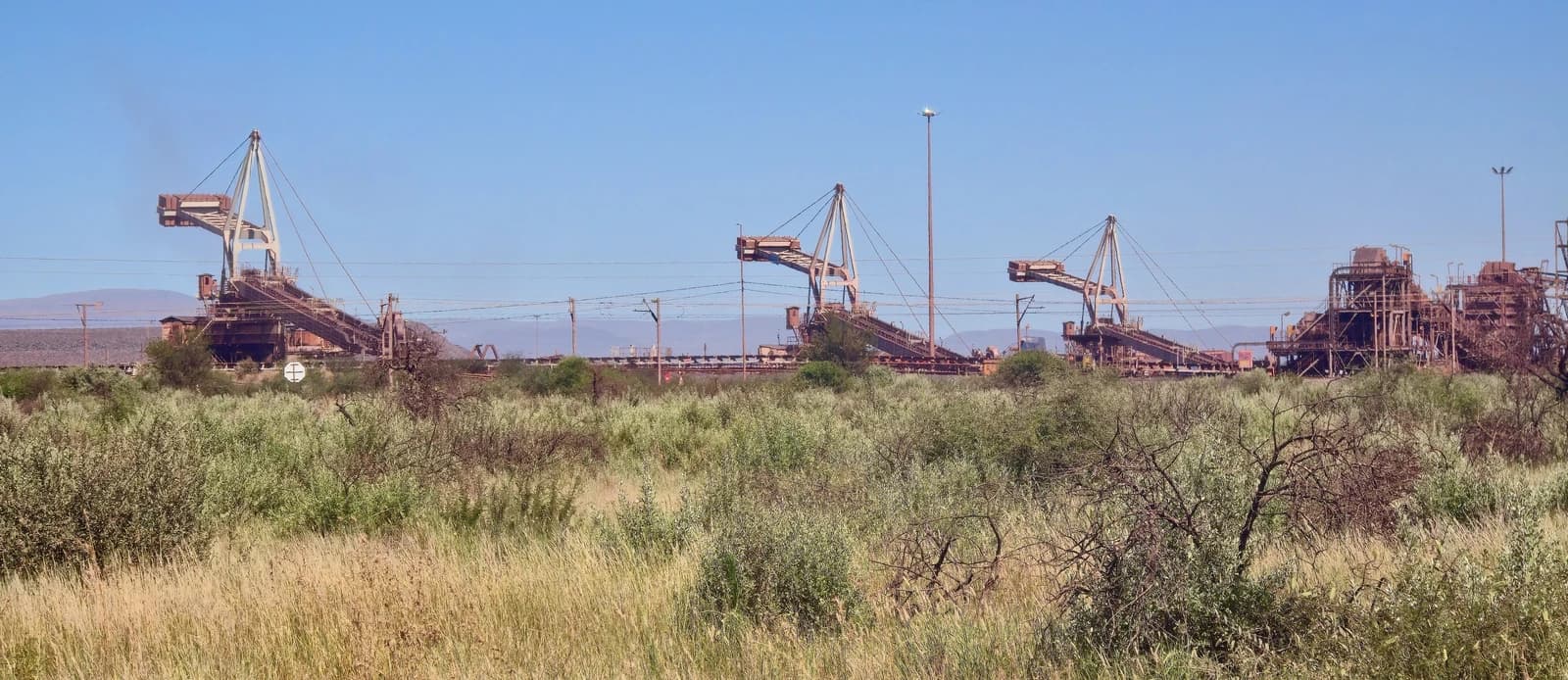
Nippon Steel is putting real money behind its U.S. Steel purchase, with a reported $3 billion upgrade planned for the Mon Valley works in Pennsylvania that should modernize one of the company’s oldest plants and lift the quality of steel it can make.
Nippon Steel plans $3 billion Mon Valley upgrade
That matters because this is not just maintenance spending. It is the kind of capital investment that can raise productivity, improve product mix and extend the life of an industrial asset that has been operating for about 90 years. For investors, the key question is whether Nippon Steel can turn a politically sensitive acquisition into a higher-margin, longer-dated earnings stream in the U.S. market.
Sentiment Indicators
According to Nikkei, the money would go into the plant’s hot rolling facility, the part of the mill that heats steel slabs and rolls them into thinner sheet. The new equipment is expected to start operating in the second half of 2029, which suggests this is a long-cycle industrial upgrade rather than a quick fix. It also fits within Nippon Steel’s broader pledge to invest $11 billion in U.S. Steel by 2028 after completing the acquisition in 2025.
For the U.S. steel industry, the message is straightforward: capital is moving toward modernization, not just capacity. That is important in a sector where older mills can struggle to compete on efficiency, consistency and the ability to serve higher-value customers. A better hot strip mill can help produce steel with tighter tolerances and broader applications, which is where the economics tend to get better over time.
The timing is also worth watching. U.S. industrial production and producer prices for steel have remained firm in recent readings, while 10-year Treasury yields around 5% keep financing costs elevated across heavy industry. In that environment, companies with the scale and balance sheet to fund large upgrades can widen their competitive gap, especially if they can lock in better product quality and customer relationships before the new assets come online.
For shareholders, the investment is a reminder that this deal is really about the next decade, not the next quarter. If Nippon Steel executes well, the Mon Valley upgrade could support better margins, stronger U.S. positioning and more durable cash flow. If it slips, the company will have tied up billions in a slow-moving asset with little immediate payoff. Long-term investors should see it as a commitment to the U.S. market worth watching closely.
| Entity | Gains | Losses |
|---|---|---|
| Nippon Steel | ▲Higher-quality U.S. output | ▼Capital tied up for years |
| U.S. Steel Mon Valley | ▲Modernized equipment | ▼Dependence on a long project timeline |
| Steel customers | ▲Better product consistency | ▼Potentially higher prices |
| Rivals | ▲— | ▼Tougher competition from upgraded assets |