Japan’s biggest labor federation is pressing for another year of outsized wage gains, a move that could help sustain consumption, reinforce inflation and keep the Bank of Japan on track to raise interest rates gradually.
Rengo Seeks 5% to 6% Wage Gains for 2026 Talks

Rengo said Thursday it will urge affiliated unions to seek total pay increases of at least 5% and ideally 6% in next spring’s annual labor talks, with base-pay hikes of at least 3% and ideally 4%. The federation is raising the bar after workers won an average 5.01% increase in this year’s negotiations, the latest sign that Japan’s wage-setting cycle is starting to produce the kind of persistent income growth policymakers have been chasing for years.
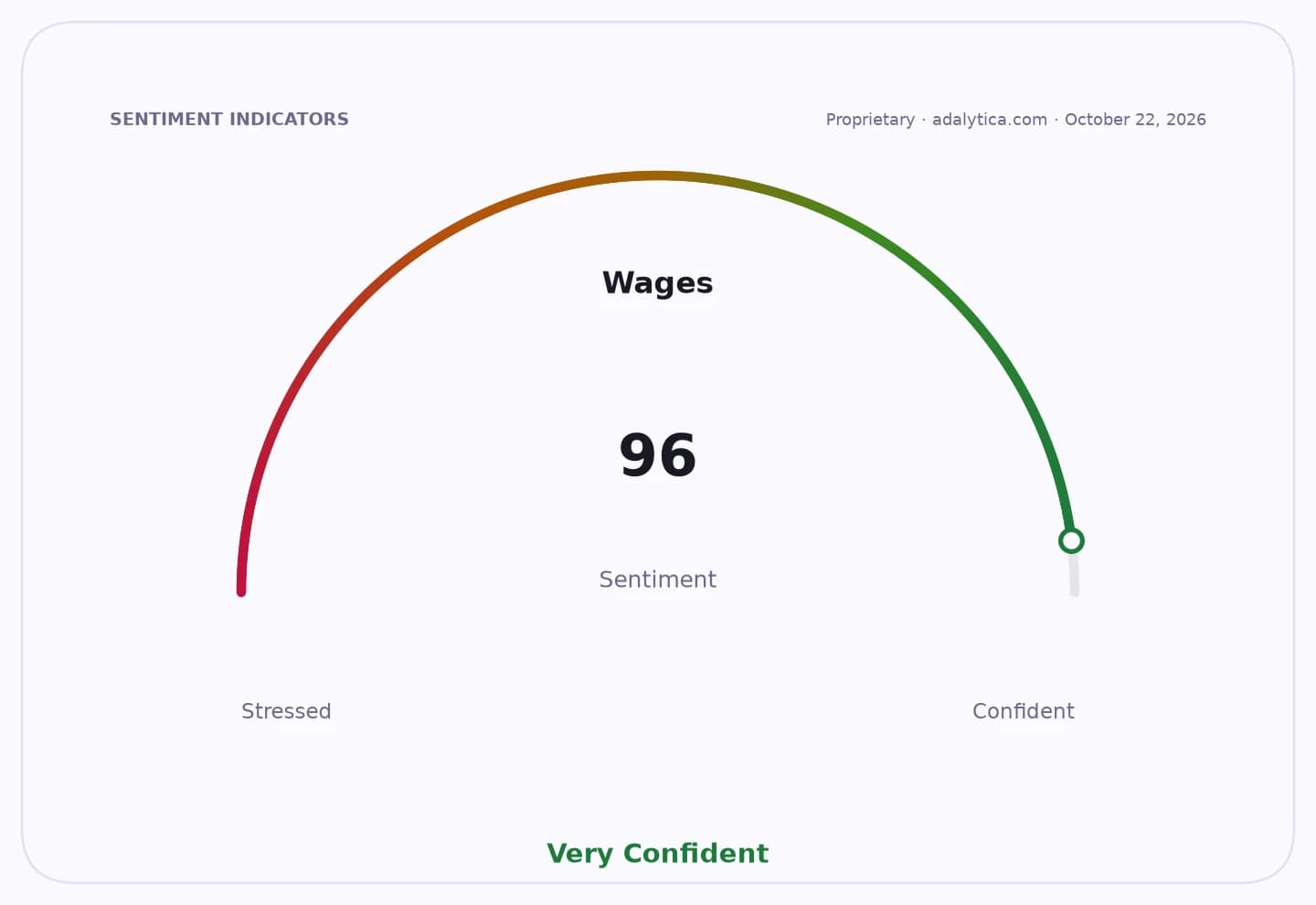
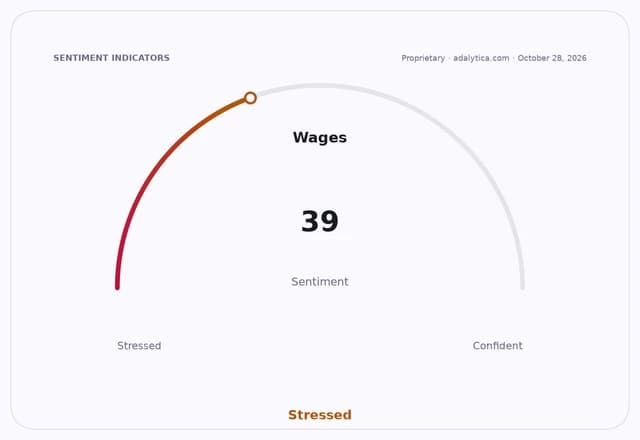
Sentiment IndicatorsⓘProprietary · adalytica.com · October 28, 2026
This is a snapshot — live sentiment, awareness and momentum for 130+ markets update continuously in the dashboard.Open AlphaPulse
That matters because Japan’s recovery still depends heavily on whether pay rises can outrun inflation and feed a lasting pickup in household spending. Real wages rose for an eighth straight month in August, the longest streak in nearly a decade, helped by the wage gains secured by Rengo-affiliated unions and easing price pressures.
The stakes are especially high for the BOJ, which is trying to engineer a virtuous cycle of wages and prices while moving interest rates higher from still-low levels. Stronger pay settlements give policymakers more confidence that inflation is being supported by domestic demand rather than only by import costs or temporary shocks.
Prime Minister Sanae Takaichi has also made wage growth a central policy theme, arguing that Japan is at a turning point where corporate investment, higher pay and stronger consumption can reinforce each other. Rengo’s move to keep demanding 6% wage hikes at smaller firms underscores that the labor push is no longer limited to large employers, even though smaller companies secured average raises of just 4.69% this year versus demands for 6.64%.
For investors, the wage outlook is a key input for Japanese equities, the yen and government bonds. Stronger pay growth can support domestic-demand stocks, but it also raises the odds of higher borrowing costs if the BOJ concludes inflation is becoming embedded in the economy. The yen ETF FXY has recently been volatile, with its latest close at 58.1 after a sharp run-up earlier this year, reflecting how sensitive Japan assets remain to the policy path.
Rengo also set a medium-term goal of 15% wage growth by 2030, assuming 3% annual increases plus another 3% from Takaichi’s investment policies. The next test comes when member unions file demands around February and companies begin responding from March, setting up another closely watched wage round for Japan’s economy and markets.
| Entity | Gains | Losses |
|---|---|---|
| Workers affiliated with Rengo | ▲Higher pay | ▼Wage erosion if targets missed |
| BOJ policymakers | ▲Stronger evidence of inflation durability | ▼More pressure to tighten policy |
| Domestic consumption sectors | ▲Better household spending power | ▼No boost if real wages stall |
| Smaller Japanese employers | ▲— | ▼Higher labor-cost pressure |