K-LNG is pressing ahead with a fleet swap that will put a LNG carrier suspected of being hacked into its fleet, raising liability and operational risk just as shipowners and cargo counterparties get stricter about maritime cybersecurity.
K-LNG Reviews LNG Carrier Cyber Risk Before Swap
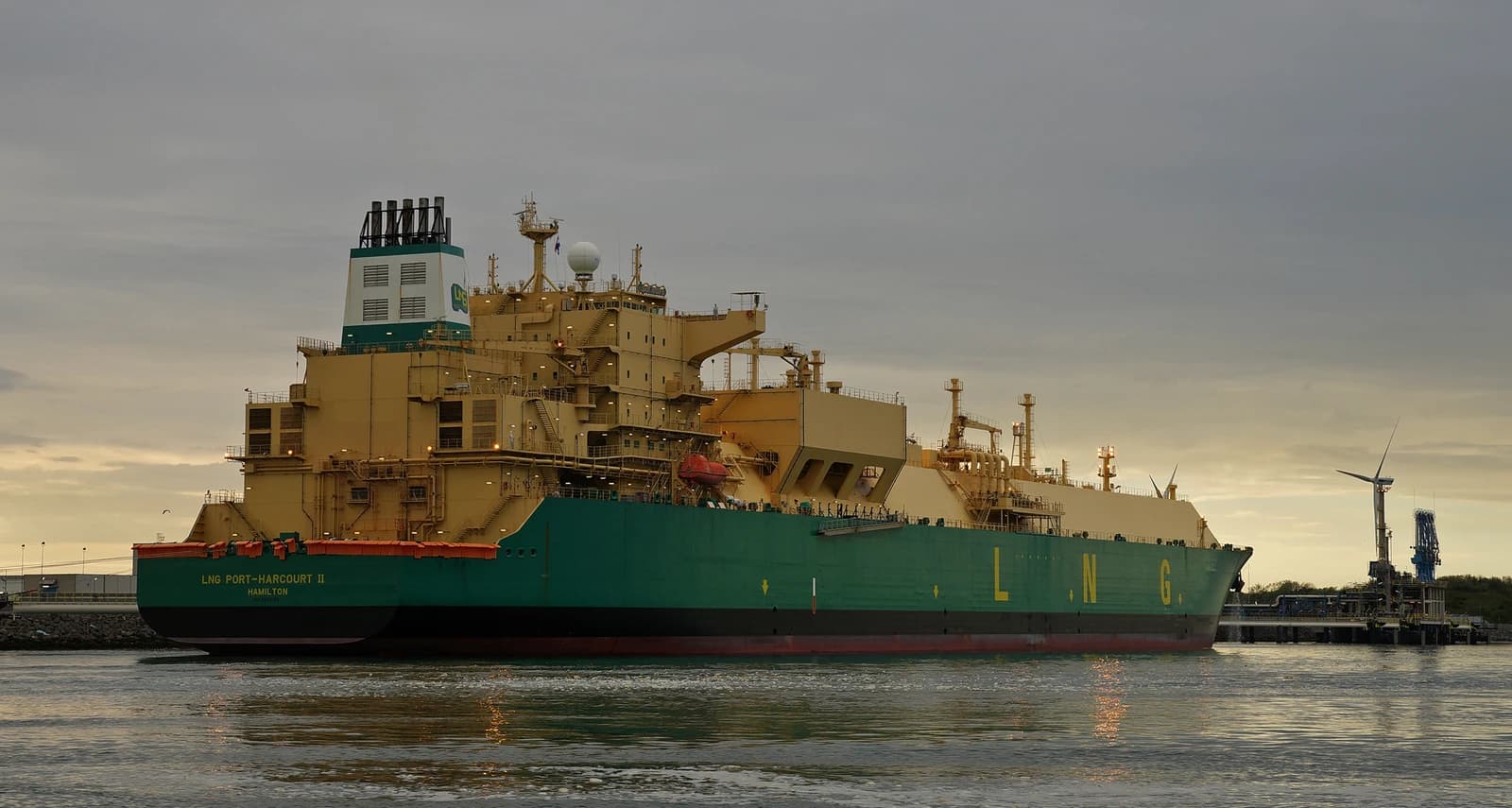
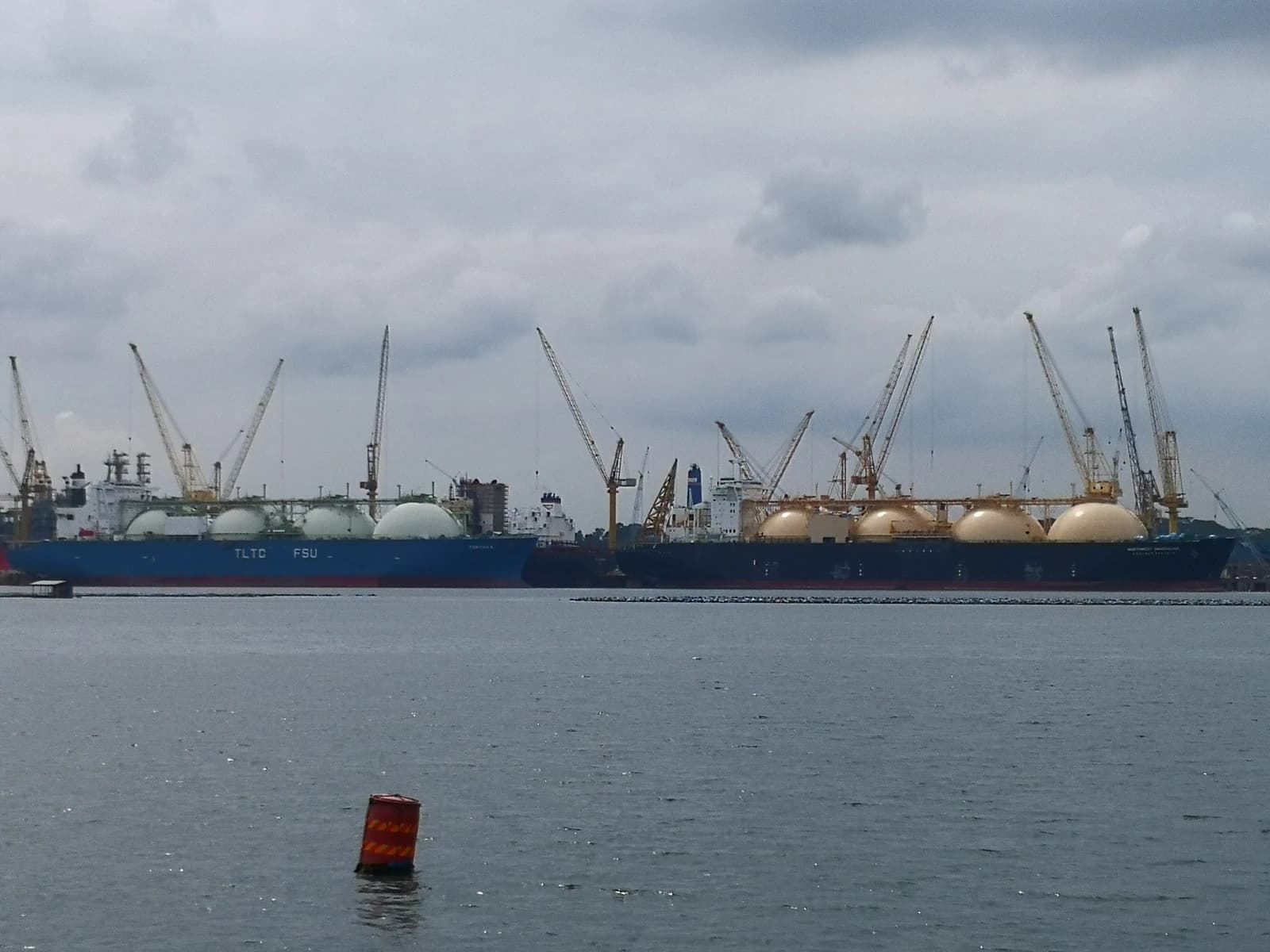
The vessel at the center of the concern is Vivit Africa LNG, a 174,103-cubic-meter carrier built by HD Hyundai Samho in 2023, according to reporting cited by THE ELEC. The ship is among 16 LNG carriers K-LNG is set to acquire from H-Line Shipping under a restructuring plan controlled by Hahn & Company, which is splitting the two companies’ fleets between LNG carriers and tankers/bulkers.
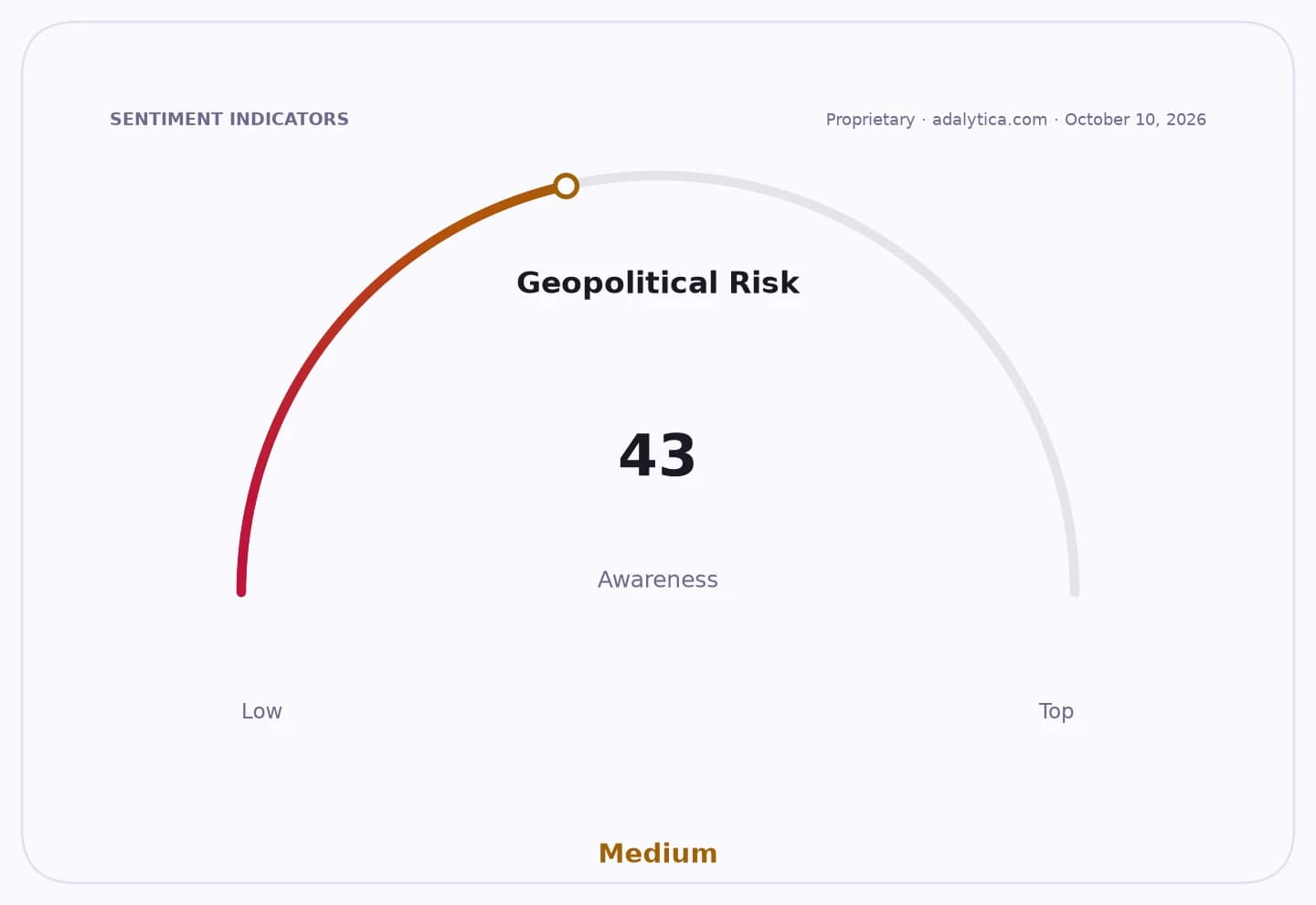
Sentiment Indicators
The deal matters because LNG shipping is a high-value, contract-driven business where even a short outage can trigger repair costs, cargo delays and disputes over who pays when something goes wrong. If a cyber incident has left lingering vulnerabilities in a vessel’s operational technology systems, K-LNG could inherit not just the ship but also the risk of future downtime and legal claims from cargo owners.
The Vivit Africa came under suspicion after malfunctions in its cargo monitoring system and related problems prevented cargo unloading in September. Crew members reportedly raised the possibility of a cyberattack to the Korean Register and the Italian Coast Guard, but the exact cause has not been determined.
Geopolitical Risk — 30-day sentimentadalytica.com
Explore this data interactively — full history, time series and cross-market comparisons.
H-Line Shipping says the ship is safe after security measures and an investigation with Korea Internet & Security Agency, the Ministry of Oceans and Fisheries and other authorities. It says the vessel’s instrumentation and engine control equipment were separated from the internet network used by crew members and were not affected.
K-LNG is not convinced the review went far enough. It did not take part in the investigation and says the probe did not adequately cover the OT systems that actually control vessel operations, an increasingly important gap as ships link navigation and control functions to IT networks through GPS, AIS and satellite communications.
That distinction matters for investors because a cyber issue on a ship is not just an IT problem — it can quickly become a balance-sheet problem. If a similar incident happens after the transfer, K-LNG could face repair bills, lost revenue, contractual liabilities and a fight over whether the defect predated the acquisition.
The two companies plan to complete the exchange by year-end, subject to approval from cargo owners and lenders. K-LNG is now preparing its own inspection of the vessel’s OT security before then, and that review will likely determine whether the company can close the deal with limited exposure or inherit an unresolved cyber risk.
| Entity | Gains | Losses |
|---|---|---|
| K-LNG | ▲LNG fleet expansion | ▼Cyber liability risk |
| H-Line Shipping | ▲Fleet restructuring proceeds | ▼Reputation pressure |
| Cargo owners | ▲Clearer asset scrutiny | ▼Delay risk if incident recurs |
| Lenders | ▲Better risk visibility | ▼Potential covenant concerns |