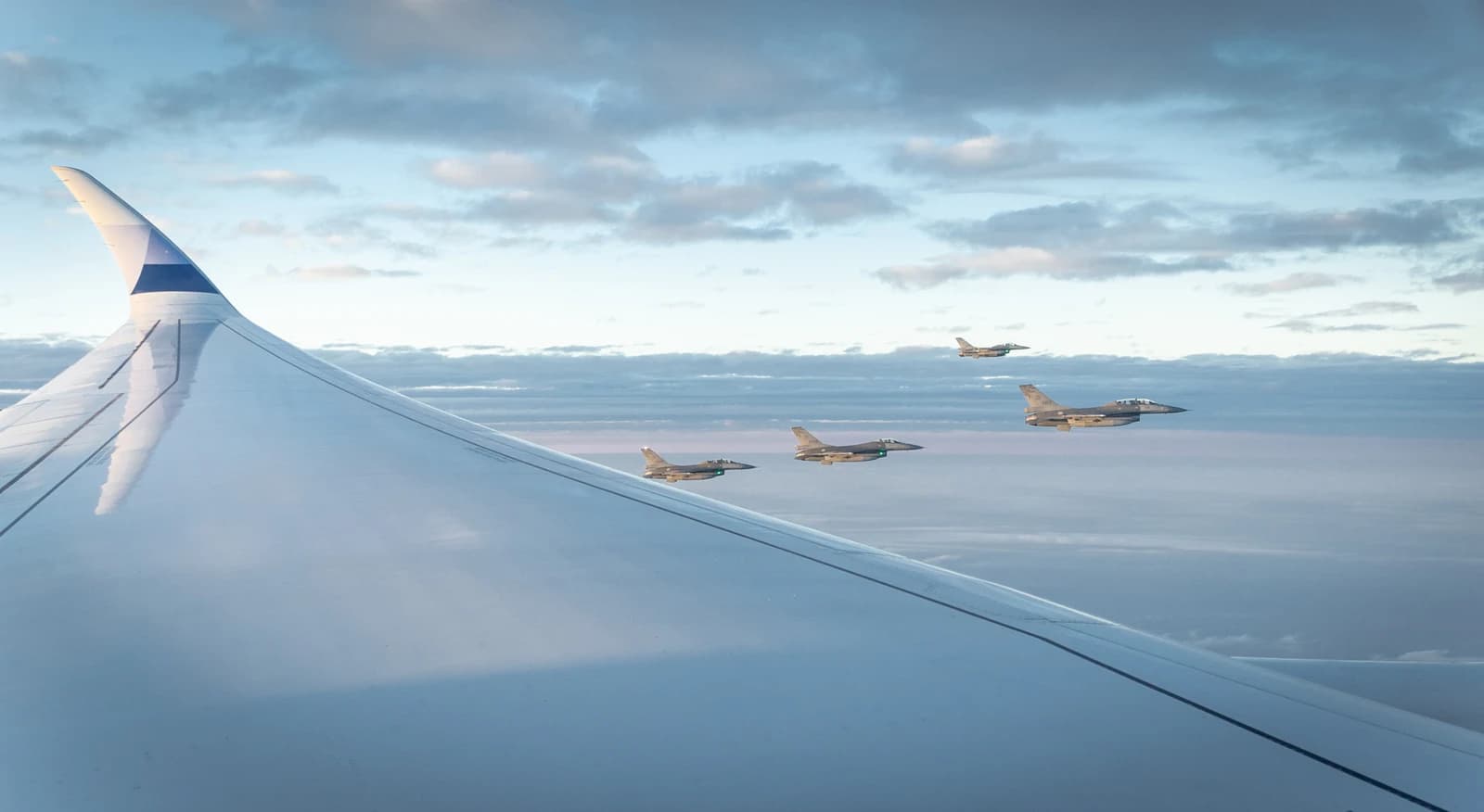
China obtained potentially sensitive F-35 components after a UPS employee missed a logistics warning, turning what should have been a routine repair shipment into a fresh warning about how easily advanced U.S. and allied military technology can slip through global supply chains.
UPS rerouted F-35 parts to Hong Kong
The parts — a cockpit canopy and weapons-bay door from an Australian F-35, both coated with radar-absorbing material — were meant to travel from Australia to San Francisco for inspection and possible repair or disposal. Instead, after the cargo left Australia later than planned, a UPS employee rerouted it through Hong Kong in an apparent bid to speed delivery, according to Bloomberg’s reporting on the incident.
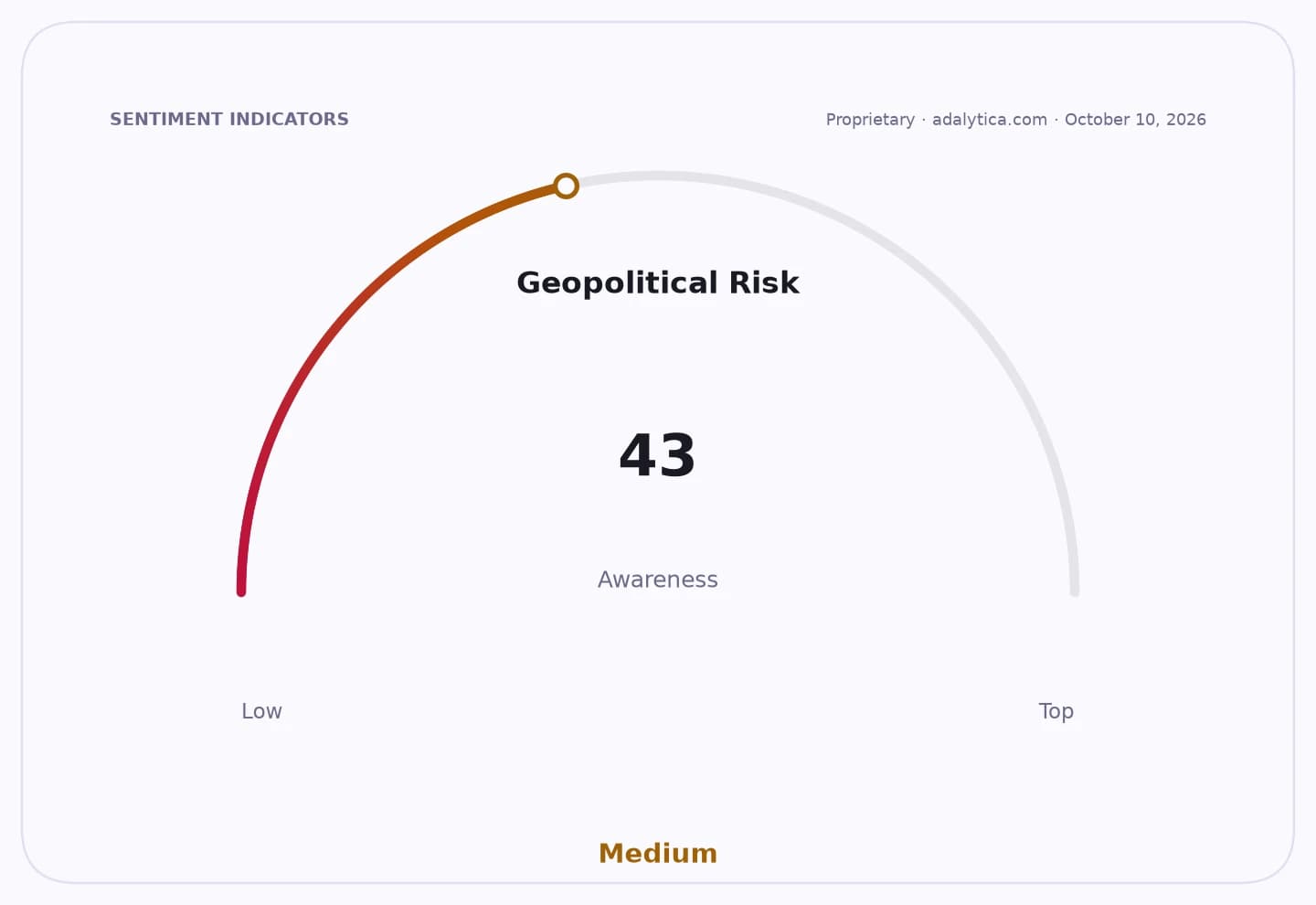
Sentiment IndicatorsⓘProprietary · adalytica.com · October 10, 2026
This is a snapshot — live sentiment, awareness and momentum for 130+ markets update continuously in the dashboard.Open AlphaPulse
The key failure was not espionage but process. DSV A/S, the Danish logistics company involved, had sent a warning that U.S. International Traffic in Arms Regulations restricted how the shipment could move, but the UPS employee handling the cargo apparently missed it, possibly because the notice sat in a different IT system. Chinese authorities then took possession of the shipment in Hong Kong, and the parts had not been returned as of late September.
That matters because the F-35 is the centerpiece of allied airpower planning in the Indo-Pacific and Europe, and its stealth performance depends on tightly controlled materials and maintenance procedures. Even though the Pentagon has described the components as unserviceable and Lockheed Martin has said the exploitation risk is low, the episode underscores how sensitive defense supply chains can be vulnerable to mundane operational failures rather than high-end cyber intrusion.
For investors, the incident is more about risk management than immediate earnings damage. UPS faces reputational pressure around compliance and complex cross-border handling, particularly for defense cargo where the cost of a routing mistake can be strategic rather than financial. Defense contractors such as Lockheed Martin and suppliers tied to fifth-generation aircraft may also face closer scrutiny from governments and customers over transport protocols, chain-of-custody controls and IT integration between freight handlers and defense logistics systems.
The disclosure has already prompted scrutiny in Washington, with the Pentagon and State Department investigating and Congress looking for answers. Australian Defense Minister Richard Marles has said Canberra is assisting the probe, while stressing that, to his understanding, the shipment did not contain sensitive equipment. That narrower claim may limit near-term alarm, but it does not erase the larger concern: in an era of rising geopolitical friction, the weakest link in advanced weapons security can be an ordinary logistics handoff.
The broader lesson for defense markets is that resilience now extends well beyond factories and test ranges. As militaries depend on multinational supply chains, outsourced logistics and multiple data systems, the premium rises on traceability, export-control compliance and rapid incident response. The companies best positioned to benefit are those that can prove airtight handling of classified or controlled components; those most exposed are carriers and contractors that cannot.
| Entity | Gains | Losses |
|---|---|---|
| China | ▲Access to aircraft parts | ▼Faces fresh U.S. scrutiny |
| UPS | ▲None materially | ▼Compliance and reputational risk |
| Lockheed Martin | ▲Limited direct impact | ▼Stealth supply-chain scrutiny |
| DSV / defense shippers | ▲Stronger compliance focus | ▼Process failures exposed |