New Zealand’s security agency has named China as its most persistent and capable state-backed cyber threat, underscoring how espionage and infrastructure risk are becoming a more material part of the strategic rivalry between Beijing and Wellington.
New Zealand names China top cyber threat

The warning matters economically because cyber intrusions increasingly target the systems that keep government, healthcare, education and technology networks running. The National Cyber Security Centre said 86 of 369 incidents it judged potentially nationally significant in the year to June 2026 had suspected links to state-sponsored actors, a sign that the issue is no longer confined to isolated breaches but is part of a broader campaign against critical institutions.
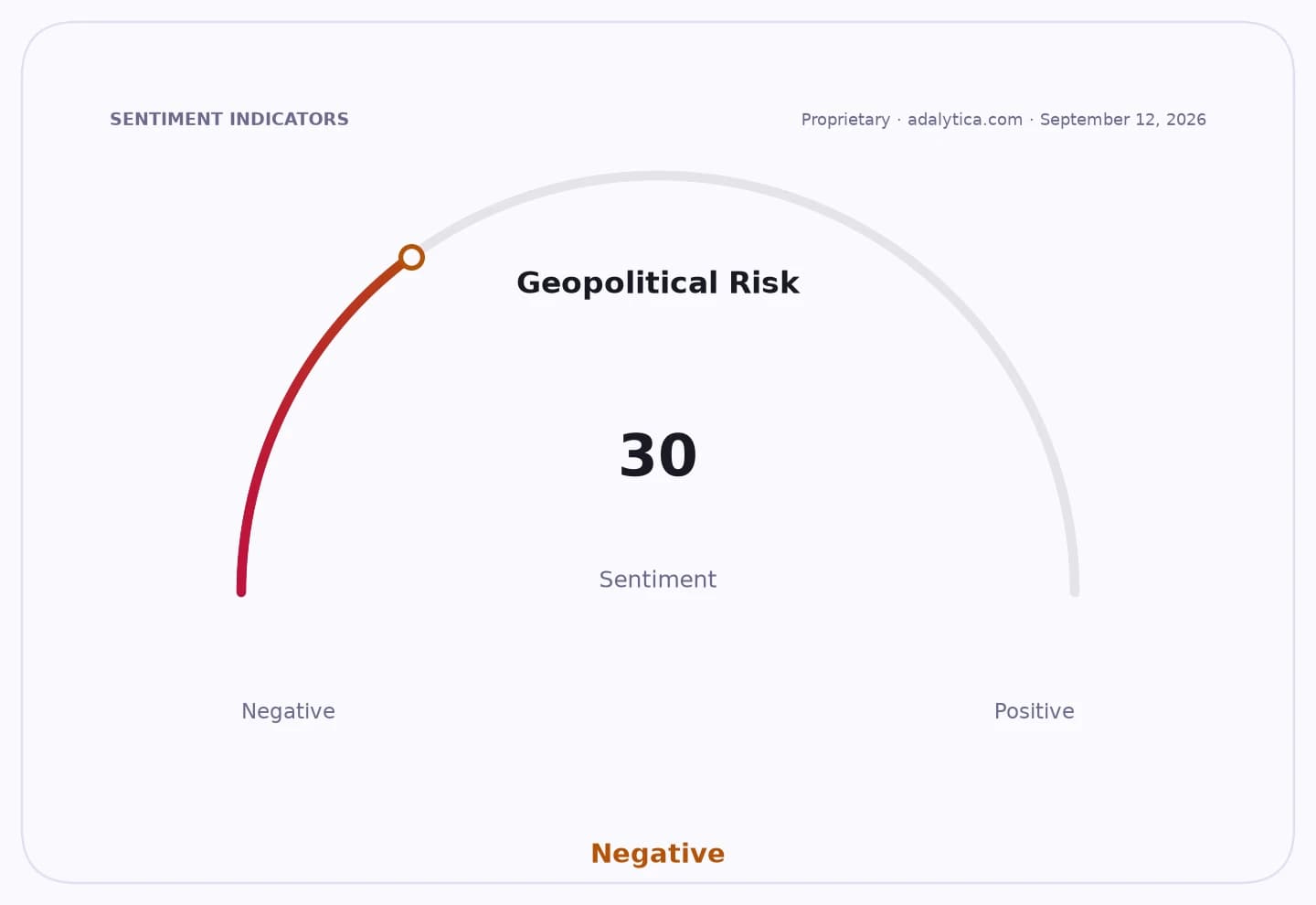
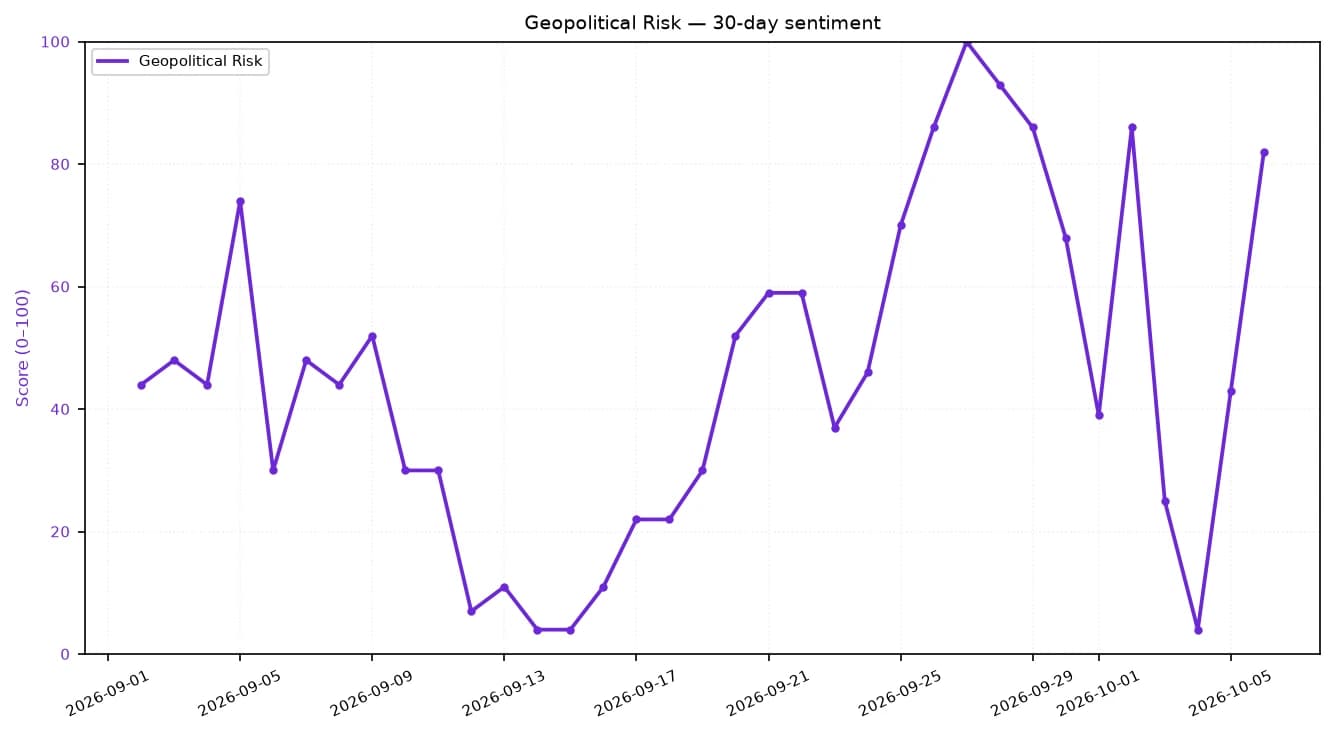
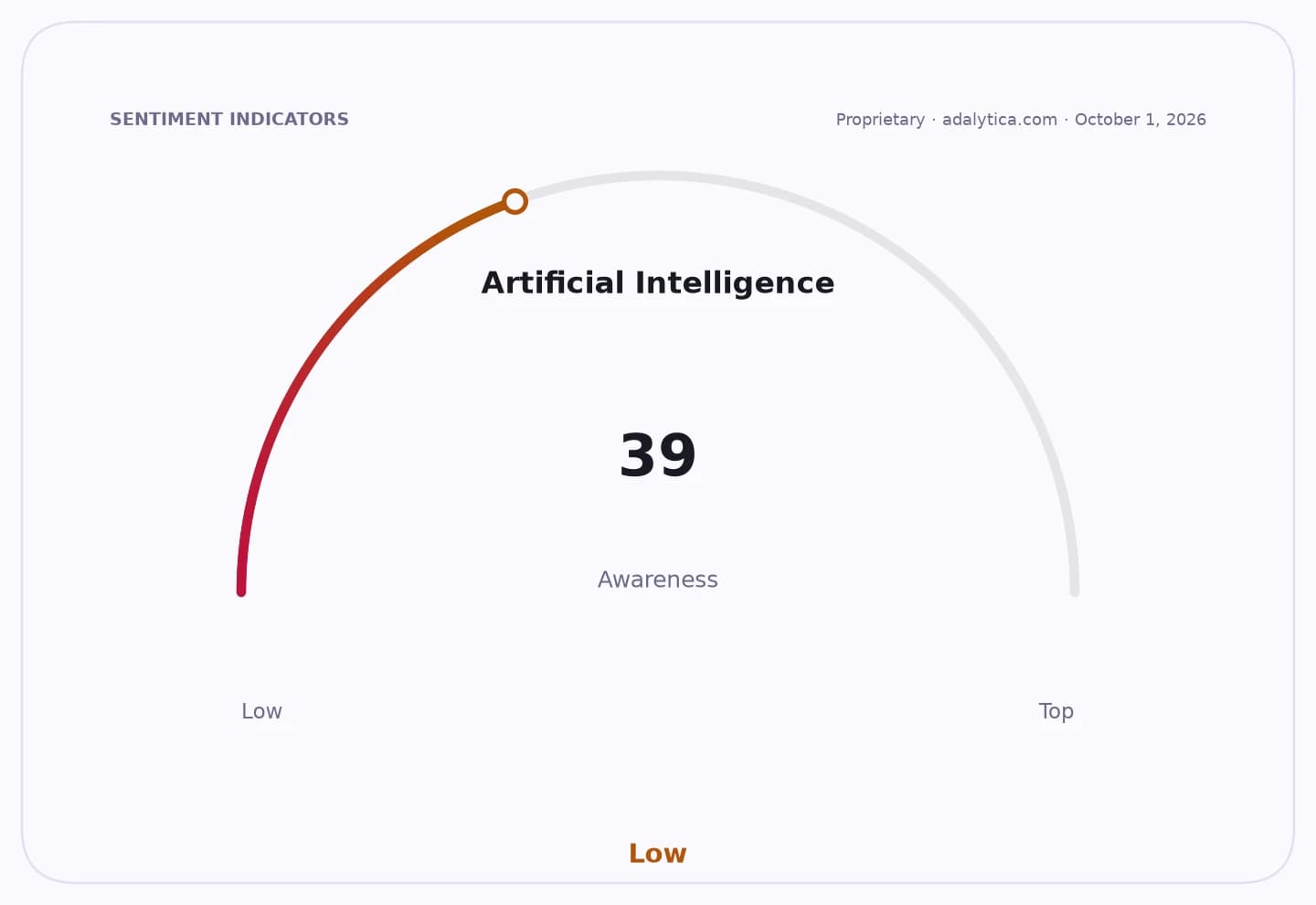
Sentiment IndicatorsⓘProprietary · adalytica.com · October 5, 2026
This is a snapshot — live sentiment, awareness and momentum for 130+ markets update continuously in the dashboard.Open AlphaPulse
The assessment adds to a string of sharper Western intelligence warnings on China’s cyber activity and comes about a month after New Zealand said China was the only country it detected conducting espionage “at scale.” That sequencing matters for investors because it raises the odds of more scrutiny on Chinese-linked technology, tighter procurement standards and a more cautious stance toward vendors seen as exposed to geopolitical risk in the South Pacific.
The NCSC said the incidents it identified targeted government agencies, health and education organizations and IT providers, sectors whose digital exposure can create costly second-order effects through service disruption, data theft and operational downtime. The agency also warned that geopolitical competition is increasingly playing out in the South Pacific and that state-backed intrusions can sit undetected in networks for months or years before being used for intelligence gathering or sabotage.
For markets, the immediate read-through is to cybersecurity demand. Vendors such as CrowdStrike, Palo Alto Networks and Fortinet have already benefited from elevated global concern around nation-state threats, and the New Zealand warning reinforces a broader investment case for spending on endpoint security, network monitoring and identity protection. CrowdStrike and Palo Alto shares have been trading near cycle highs in recent sessions, with technical indicators such as the 50-day and 200-day moving averages pointing to strong momentum, while Fortinet has also recovered sharply, though its recent pace suggests investors are already pricing in a lot of the threat backdrop.
The bullish case for the sector is that incidents like this keep cyber budgets sticky even when enterprises face pressure elsewhere, because governments and critical infrastructure operators cannot easily defer defenses. The bear case is valuation: after a strong run, cybersecurity names may need evidence of sustained revenue conversion rather than just recurring headlines about rising threats.
The wider policy implication is that New Zealand, like other US allies, is moving further into a security environment where cyber, trade and diplomacy are harder to separate. That can shape everything from public-sector procurement to cloud and telecom partnerships, and it keeps China-related geopolitical risk elevated for companies operating across the region.
For investors, the key watchpoint is whether this turns into concrete policy action: tougher vendor reviews, new spending on national defenses, or restrictions on technology ties. If it does, the main beneficiaries are cyber-software providers and local security contractors; the losers are Chinese-linked suppliers, infrastructure operators facing compliance costs and any firms with exposed cross-border data flows.
| Entity | Gains | Losses |
|---|---|---|
| Cybersecurity vendors | ▲Higher government spending | ▼More crowded valuations |
| New Zealand agencies | ▲Stronger defense budgets | ▼Higher compliance costs |
| Chinese-linked suppliers | ▲— | ▼Procurement scrutiny |
| Critical infrastructure operators | ▲Better protection | ▼More spending burden |