Kaonavi is leaning into scarcity, not comfort, as Japan’s labor market stays tight enough to force employers to fight for every engineer and enterprise salesperson.
Kaonavi hiring campaign targets Japan labor shortage
That is the real investment story behind the talent-management software maker’s new recruitment campaign: in a market where the nationwide job opening ratio held at 1.18 in August, the company is deliberately rejecting the soft language most employers use to maximize applications. Instead of promising ease, Kaonavi is telling candidates it wants people willing to choose the “difficult road” — a sharper brand position that may matter more than a bigger applicant pool.
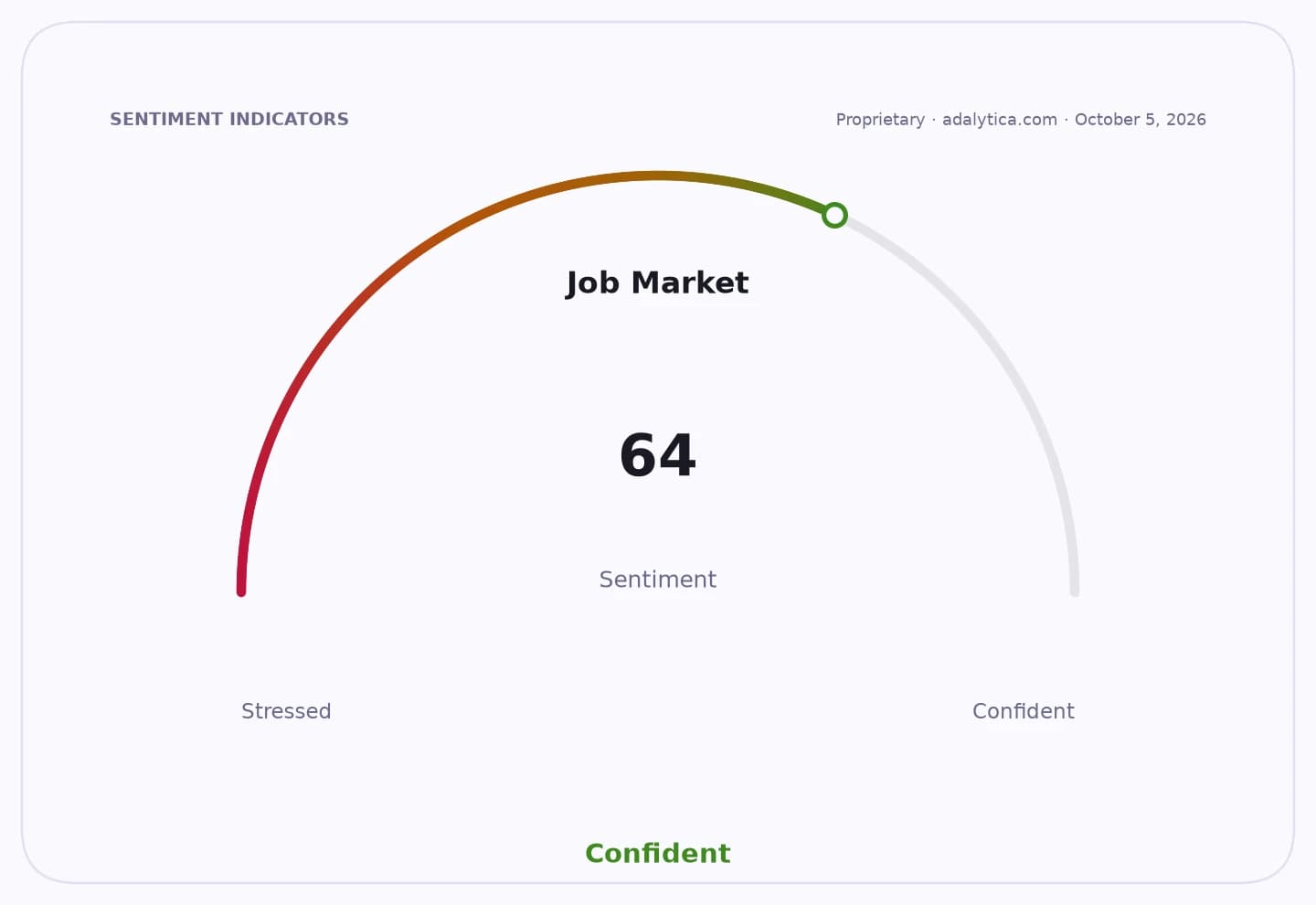
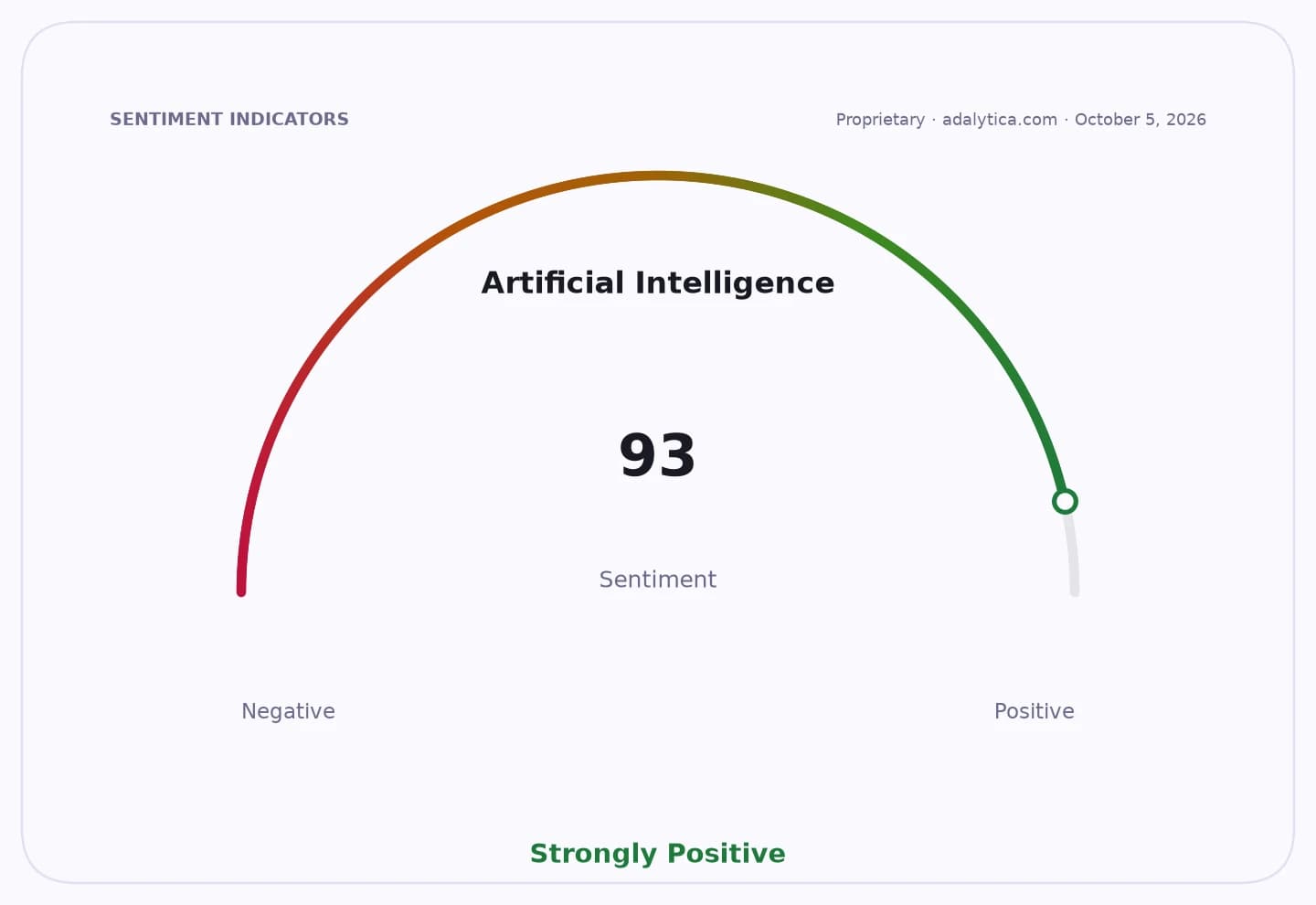
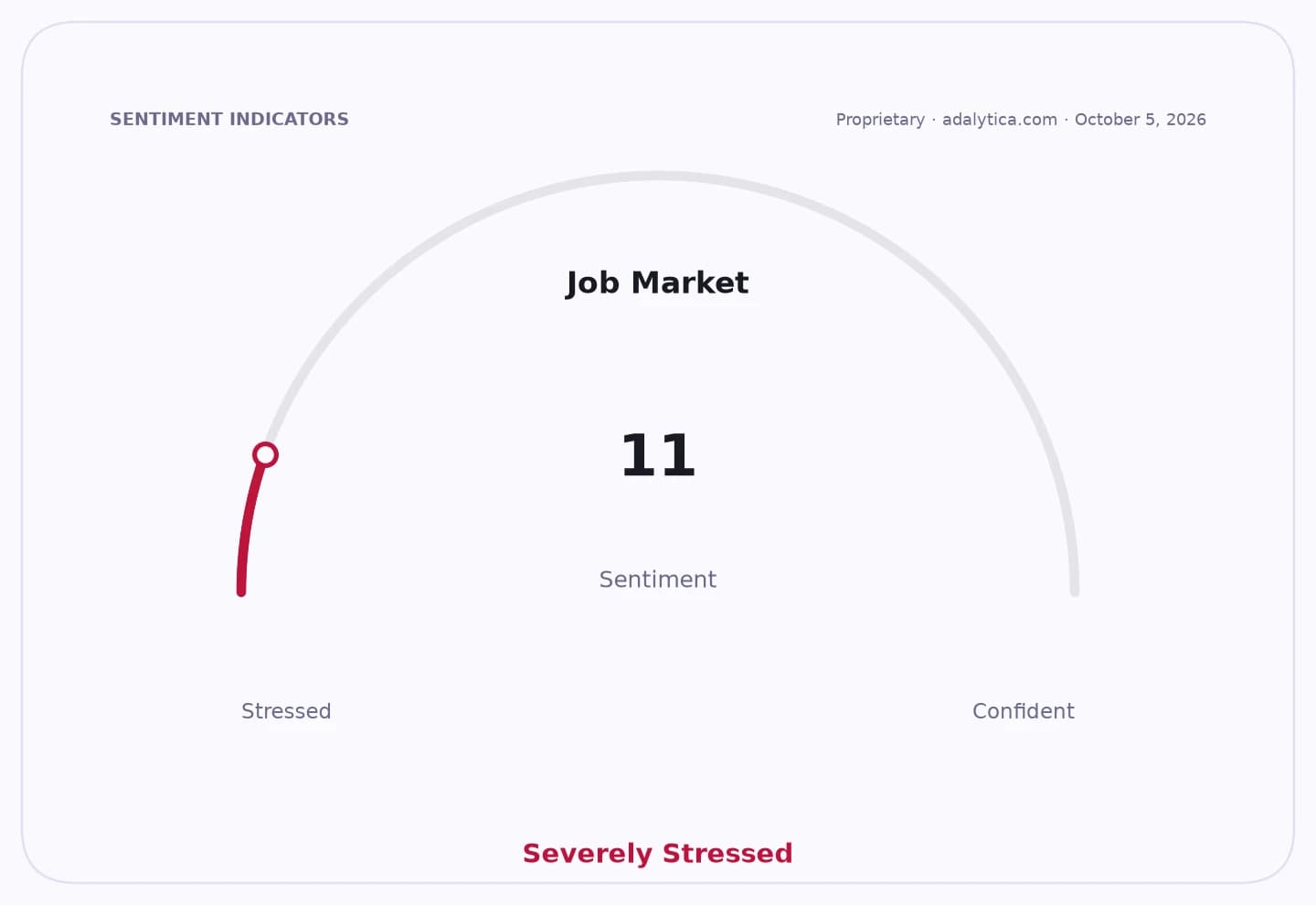
Sentiment IndicatorsⓘProprietary · adalytica.com · October 5, 2026
This is a snapshot — live sentiment, awareness and momentum for 130+ markets update continuously in the dashboard.Open AlphaPulse
Economically, the message fits the environment. Even as Japan’s broader hiring gauge has been flat for three straight months, demand for specialized workers remains intense, especially in enterprise sales and engineering. That keeps wage pressure and hiring friction elevated for growth companies trying to scale products, support customers and defend market share. When labor is scarce, the winners are not necessarily the firms with the broadest reach, but the ones that can filter for fit and keep turnover from eating productivity.
Kaonavi’s campaign is also a clue about where the company sees value creation. Talent-management software is ultimately sold on a simple promise: help employers identify, deploy and retain human capital better than spreadsheets and intuition can. If Kaonavi can market itself as the kind of place that lives its own philosophy — one that prizes judgment, risk-taking and failure tolerance — it reinforces the same product narrative it sells to customers. That kind of internal consistency matters in enterprise software, where culture, brand and retention can affect execution as much as code.
Investors should read this as a signal that Kaonavi wants quality over volume in one of the most competitive hiring categories. The company’s use of short-form video and its first OOH campaign at a Tokyo Metro station near its new headquarters shows it is willing to spend on brand-building, not just performance recruiting. That tells me management sees this as a multi-year scaling phase, not a one-quarter hiring push. In a business tied to human-capital digitization, the ability to attract high-impact talent is part of the moat.
The broader market implication is straightforward: the labor squeeze is not just a macro story, it is a capital-allocation story. In tight labor conditions, software companies that can automate parts of workforce management should gain pricing power and strategic relevance, while employers that rely on generic recruiting messages will keep losing the best candidates to louder, clearer brands. Kaonavi is trying to turn that dynamic into an advantage by making selectivity itself the selling point.
The investment takeaway is that Kaonavi’s hiring campaign is more than a PR stunt. It is a sign of a company trying to defend its culture, sharpen its brand and recruit for a market where the scarcest asset is still high-quality people. In a job market with 1.18 openings per applicant, that kind of positioning can become a durable growth asset.
| Entity | Gains | Losses |
|---|---|---|
| Kaonavi | ▲stronger employer brand | ▼broader applicant pool |
| Risk-taking candidates | ▲clearer cultural fit | ▼generic job seekers |
| Talent-management software peers | ▲sector validation | ▼weaker differentiation |
| Employers in tight labor market | ▲better recruitment tools | ▼hiring leverage |